










































































































































Severe hypoglycemia is more prevalent than previously believed and also significantly underreported. Details from 3 studies at ADA 2018.
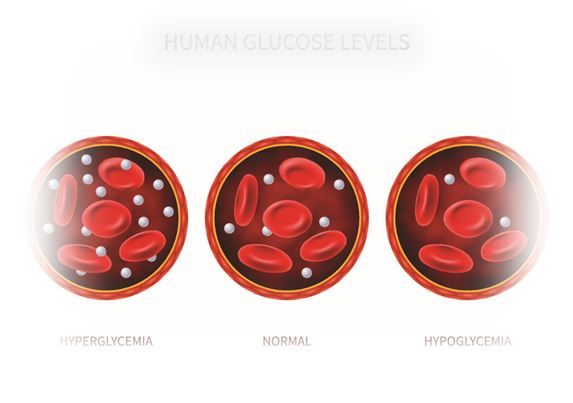
Severe hypoglycemia is more prevalent than previously believed and also significantly underreported. Details from 3 studies at ADA 2018.
From ADA 2018: Two new biomarkers predict CV events independently of conventional risk factors, plus post-hoc analysis of VADT.
What is the impact on insulin dose, A1c, body weight of adding GLP-1 RA to a MDI insulin regimen? Three studies from ADA 2018 illuminate.
Three studies at ADA 2018 highlight the current track record of SGLT-2is in reducing CV-related morbidity and mortality.
Should you: Stop a DPP-4i when you start insulin? Prescribe initial triple combination Rx? What about SGLT2i + DPP-4i + MET vs insulin + MET? Find out.
How do 2nd generation basal insulin formulations perform vs their predecessors? We report highlights of 3 important studies from the ADA 78th Scientific Sessions.
Highlights include: POC A1c testing in prediabetes screening, first-year weight loss after bariatric surgery, and predicting fracture risk in obese patients.
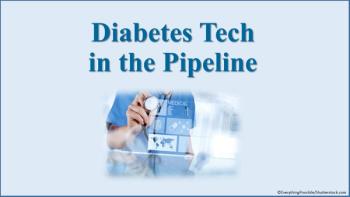
A tooth-mounted sensor, a glucose monitor built into a smartphone case, plus 3 more new “gee whiz” devices that could transform diabetes care.

Hypoglycemic episodes are uncomfortable, disruptive, and dangerous; 3 ways to help T2DM patients avoid and also correct them.
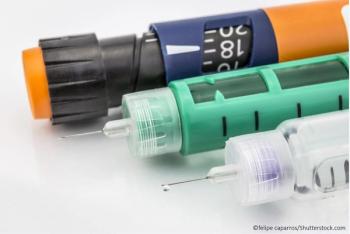
New long-acting insulin products are winning preferred formulary status, pushing old standards aside. Here, pointers on the new options.

Treatment for erectile dysfunction may finally be affordable, available, and convenient.

A 52-year-old woman with T2DM is on metformin, works with a dietitian, and exercises regularly, but her hemoglobin A1c has increased. What would you advise?
The "new year" is now in full swing and new drugs are being approved each month; check out our slideshow to get up to date on 9 drugs approved in the first quarter for primary care.
How would you handle a patient's misconceptions about insulin? Or discuss a series of wild glucose readings? Take our 5-question quiz to find out.
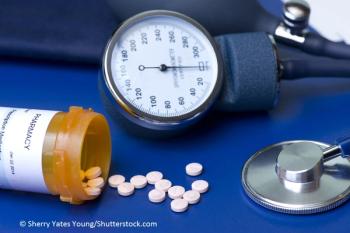
Since aldosterone has become a pivotal hypertensive hormone, screening with or without confirmation should be part of primary care practice. Here's a straightforward approach.

Attention to a few easily obtained details can prevent serious sequelae in patients with T2 diabetes complicated by cardiovascular and renal disease.
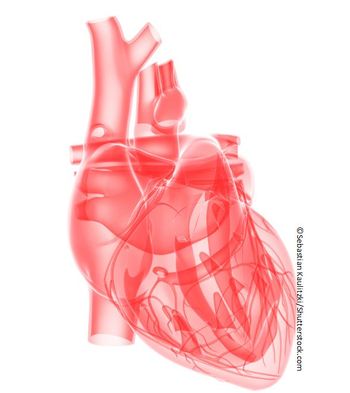
This study demonstrated that in patients with type 2 diabetes mellitus, use of β-blockers was associated with an increased risk for cardiovascular events and severe hypoglycemia. Details here.
Here: a quick look at newly approved agents for primary care that will soon be coming your way.
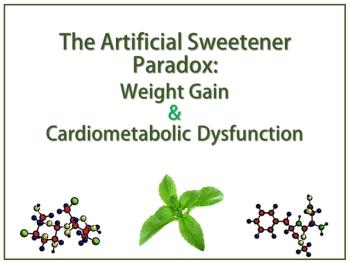
A new meta-analysis finds that routine intake of artificial sweeteners is linked to weight gain and metabolic dysfunction. Wait, what?
Apps to guide osteoporosis treatment, insulin management, endocrine emergencies, plus ADA and Endo Society standards of care, at-a-glance.

A first-of-its-kind study reports an association between T1DM and AF, and between glycemic control and AF. Plus, there are gender differences.

Chronic renal disease is common in primary care settings and so are its comorbidities. In brief here, 5 apps you might want at hand.

Providers may now be paid up to $785 (increased from $450) for each patient who loses 5% of their body weight.

Study: each gain of 5 kg was linked to a 17% drop in odds of healthy aging. A powerful message for young patients.

Results from studies on the asthma-diabetes connection are inconsistent. A novel analysis may help clarify directionality.