






















































































































































Eating red meat has its good points but more than its share of bad. Here, 10 slides with bite-sized bits of health information you’ll want to share with your patients.
Eating red meat has its good points but more than its share of bad. Here, 10 slides with bite-sized bits of health information you’ll want to share with your patients.

Common sleep disorders appear to worsen insulin resistance, glucose intolerance, and pancreatic endocrine dysfunction. Here, a closer look at how.

ED may raise the risk of diabetes, coffee may lower it, and the evidence against sugary drinks continues to mount.
Take a short break from the clinic and try 2 quick questions about the injectable gut hormone analogs.

Questions you were afraid to ask about weight-loss modalities in the context of obesity and type 2 diabetes are answered here.

In the diabetes news: diet and physical activity programs may help prevent type 2 DM, patiromer shows promise for hyperkalemia, metformin may treat portal hypertension.

A multi-step inflammatory cascade appears to connect hyperglycemia and brain dysfunction.
A protective endothelial function effect may be seen with exenatide in patients who have long-standing type 2 diabetes in the postprandial period after short-term therapy.

Incretin mimetic therapy for type 2 diabetes has been on the market for more than 10 years. Find out what you've learned about the GLP-1 agonists, here.

Heading the diabetes news: therapeutic targeting of cellular senescence, food order affects glucose and insulin levels, sugar causes heart muscle damage, central obesity genetic score linked to type 2 DM risk.
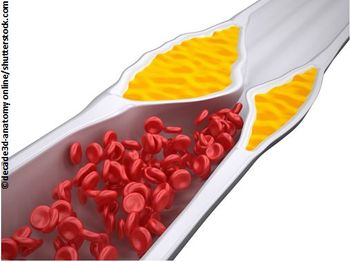
What do current guidelines recommend as first-line treatment for patients like 51-year-old TK? Check out these options.
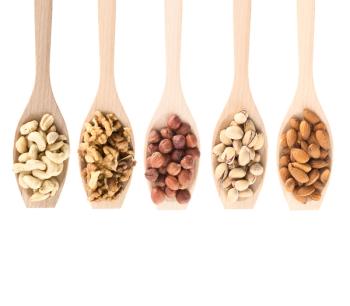
A large review ties nut consumption to a lower incidence of cancer, but not diabetes.

Hypothyroidism increases the risk of diabetes, but in subclinical hypothyroidism the increased risk is prominent only with statin use.
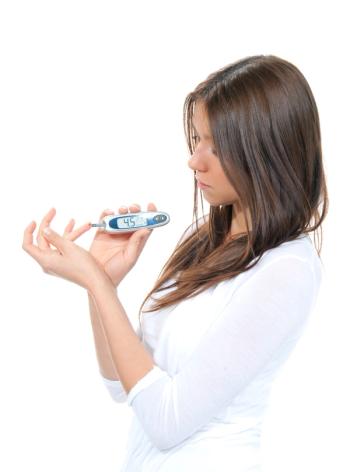
Outcomes are poorer for young women and others with breast cancer when blood sugar levels reflect prediabetes or undiagnosed diabetes. What can you do?

Diabetes, obesity, hyperlipidemia, hypothyroidism-these endocrine disorders and others are major reasons why patients come to you. Find out what you know, and don’t know, here.

The ADA recommends GLP-1 agonists as second-line therapy against type 2 diabetes. What makes this class unique in its impact on hyperglycemia?
Metabolic disorders in patients with diabetes place them at particularly high risk for CV morbidity. Find insights on Dx and Tx in these slides.
What brings patients to your office-and not the specialty office down the street? Insights in this slideshow.
The ADA provides an abridged version for PCPs of its annual Standards of Medical Care. Our slides summarize 6 updates important to primary care.

The drug appeared to reduce the risk in the first study to assess its effects on younger patients with diabetes in the United States.
Take this 3-question mini-quiz to see if you’re up-to-date on diabetes and breast cancer risk, gestational diabetes and depression, and sedentary time and diabetes development.