













































































































































A1C vs FPG to diagnose prediabetes; prediabetes and CHF; and how much weight loss is too much? Reports from ADA 2017.
A1C vs FPG to diagnose prediabetes; prediabetes and CHF; and how much weight loss is too much? Reports from ADA 2017.

Insulin degludec vs glargine--which costs less per anum and why? We summarize this study and 2 other direct insulin comparisons reported at ADA 2017.

When to start screening for B12 deficiency in your diabetes patients taking metformin? We review a dose-response diet study plus 2 others on oral drugs.

Increases in diabetes, insomnia, and skin cancer are just 3 of the hazardous trends identified in recent research. More findings in our slide show.
Test your knowledge of the safety events that have occurred involving FDA-approved drugs since the turn of the century.
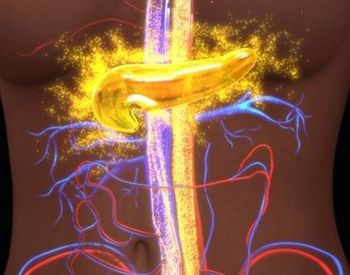
Try these 10 questions and see what you've learned during this month's special report on the nuts-and-bolts of T2DM for PCPs.
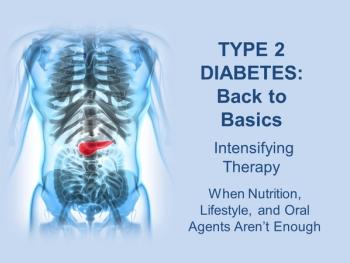
A how-to overview of how to advance therapy for hyperglycemia and ASCVD risk factors in patients with T2DM.
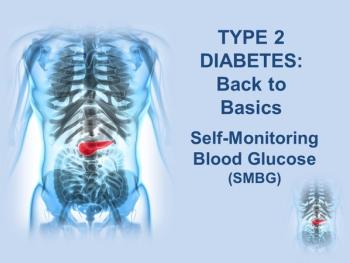
Self-monitoring of blood glucose is critical for all patients with T2DM and their physicians.The numbers help modify behavior and Rx.
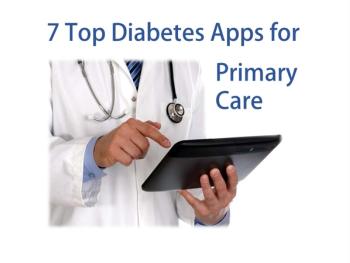
Seven top diabetes apps for PCPs include insulin calculators, Rx algorithms, comorbidity support, and patient tracking tools.

The observed associations, however, were no longer significant after additional adjustment for vascular risk factors and diabetes mellitus.

Only half of patients with hypertension have this dangerous condition under control. Highlights of 8 new studies, here.
Primary care physicians absorb the burden of type 2 diabetes care. Get step-by-step support with our Special Report.
In these complicated patients, should warfarin or a novel oral anticoagulant be chosen for stroke prevention?
Cardioprotection, diabetes anxiety, and hypoglycemia protection are just a few of the areas amended with new guidance.

Tachy-brady syndrome can be a particular management challenge in an elderly patient. How would you manage Mrs Robertson?

Concurrence of AF and SSS is common in older patients and presents a treatment conundrum. Can you balance safety and efficacy in this patient?

What are the most important vaccines your patients with diabetes should receive?

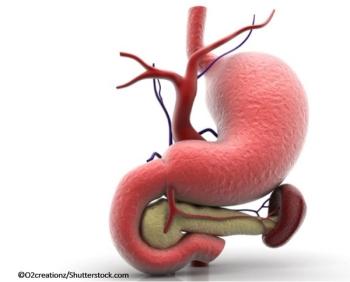
Results unequivocally support early, aggressive, and sustained risk factor control in patients with complicated type 2 diabetes.
Wild variations in treatment success and how T2D differs in youth and adults top the diabetes news. Click inside for highlights.

The renal protective effects seen with the SGLT2 inhibitor canogliflizin may be independent of glycemic control, suggest authors of a new post-hoc analysis.

Authors of a new study note that a simple self-report question about mental health history in patients with ADR may lead to important intervention.

A large Danish study compared community antibiotic use and hospital-treated infections between people with and without type 2 diabetes.

A Swedish study in twins has drawn criticism for limitations but the results reinforce the strong link between obesity and type 2 diabetes.

Flu deaths are higher among persons with chronic conditions, like T2DM. Flu vaccination should be part of comprehensive secondary prevention.