






















































































































































At least some of the genes regulate insulin action on sugar uptake. The take-aways: insights into potential targets for diabetes treatment and more hope for prevention.

At least some of the genes regulate insulin action on sugar uptake. The take-aways: insights into potential targets for diabetes treatment and more hope for prevention.

The risk may be greater in patients who are younger, new to the disease, and receiving few other medications-good information for targeting interventions.

The reasons reflect the silence that surrounds depression, its basic invisibility, and the mistaken notion that it can't be dealt with in primary care.

The risk is lowered more in minority women than in white women with a healthy diet, which can play a vital role in prevention.

Maintaining tight glycemic control in older diabetic adults who are in poor health can do far more harm than good, according to results of a new study.

Recommendations from the American Diabetes Association also suggest a less stringent diastolic blood pressure target, all in keeping with recent changes in cardiovascular risk management guidelines.
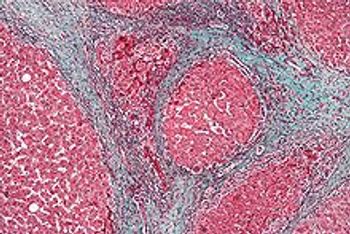
Continuing metformin after a diagnosis of cirrhosis can significantly decrease the risk of death in patients with diabetes, a new study suggests.

Drugs, diseases, guidelines, databases-all at the touch of an app. Here: a selection of smartphone/tablet applications that may make your clinical practice a little easier this coming year.
New drugs that treat stubborn illness seen often in primary care lead this group of Top 5 Papers for 2014. Type 2 diabetes, cryptogenic stroke, and hep-C are key targets.

This weekly roundup of breaking cardiology news is brought to our readers by our partners at MedPage Today.

I made a difference in a student’s life.

Mycosis fungoides; circumscribed erythematous lesions in a toddler; large abdominal ecchymotic mass . . . some of the challenges for you in this quiz.
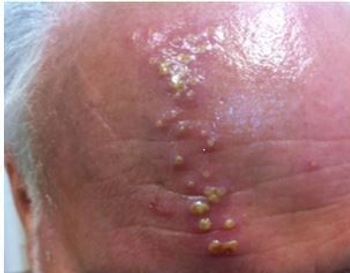
Fluid-filled blisters; necrobiosis lipoidica; gestational diabetes mellitus . . . Test your knowledge on these and other subjects in this quiz.

Hypertension and diabetes, hypertension and stroke/dementia, renal artery stenosis and hypertension in children, pulmonary arterial hypertension, portal hypertensive gastropathy, central retinal vein occlusion-a close look at some common hypertension-related conditions.

Results of the very few randomized controlled trials that look at how yoga affects symptoms of type 2 diabetes point to no ill but wide uptake of the practice is a stretch.

For the 30% of people with T2DM who are unable to achieve target A1C values through intensification of injected insulin therapy, a new study suggests the answer may be "yes."
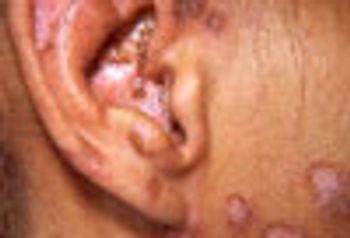
Discoid lupus erythematosus; pharmacologic options for “statin-intolerant” patients; treatment of diabetic peripheral neuropathic pain . . . questions on these and other topics in this quiz.
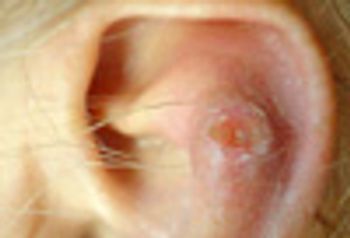
A painful nodule that keeps this woman up at night; treatment options for nonalcoholic fatty liver disease; risk factors for statin adverse effects . . . some of the topics in this 5-question quiz.
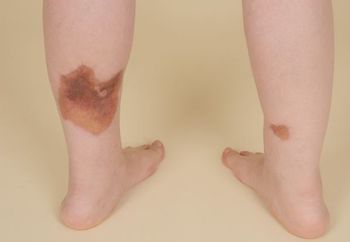
These asymptomatic plaques developed on the legs of a 59-year-old woman with diabetes mellitus and pulmonary sarcoidosis. Biopsy showed a granulomatous infiltrate of epithelioid histiocytes and multinucleated giant cells surrounded by lymphocytes “layered” throughout the dermis. What’s your diagnosis?
Put yourself to the test: This week’s quiz questions you about skin disease, diabetes, sarcoidosis, atrial flutter, and pain medications.
Patients with NAFLD are at high risk for development of type 2 diabetes and those with diabetes may be at higher risk of dying from NALFD-associated chronic liver disease. Here, options for prevention and treatment.
A systematized, team-based approach to type 2 diabetes management really can reduce vascular complications. In this study, by the Geisinger Health System, it took just 3 years.

Neuroarthropathy, mucormycosis, necrobiosis lipoidica, diabetic myonecrosis, hypertriglyceridemia, papillomatosis, perleche-these visual presentations cover a range of diabetes-related problems.

Conventional wisdom holds that eating more frequent and smaller meals is healthier than the traditional 3 squares. But, a new study finds that fewer and larger may be better for glycemic control in patients with type 2 diabetes.
Here: 6 quick health tips (some even inspirational!) you can offer your male patients.