























































































































































The rate of undiagnosed diabetes mellitus is high in men even though the overall risk is not particularly high. Perhaps it’s because men do not like to talk about health issues.
The rate of undiagnosed diabetes mellitus is high in men even though the overall risk is not particularly high. Perhaps it’s because men do not like to talk about health issues.
The use of insulin has grown in recent years largely because of the widespread adoption of analogs. Out-of-pocket expenditures per prescription also increased.
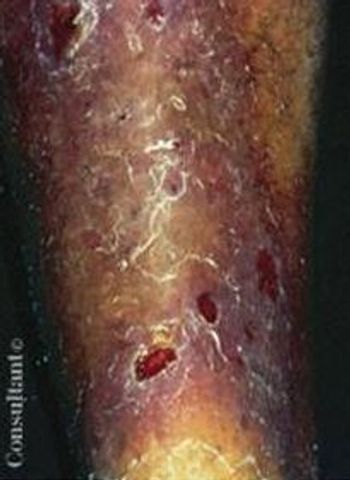
A 50-year-old African American woman with type 2 diabetes mellitus and hypertension was admitted with bilateral knee and thigh pain and swelling of both knees. MRI showed extensive edema in the distal thigh and gastrocnemius muscles and in subcutaneous fat. Fluid was seen at the short head of the left biceps femoris. The findings were consistent with diabetic myonecrosis. Which of the following statements about this condition is/are true?
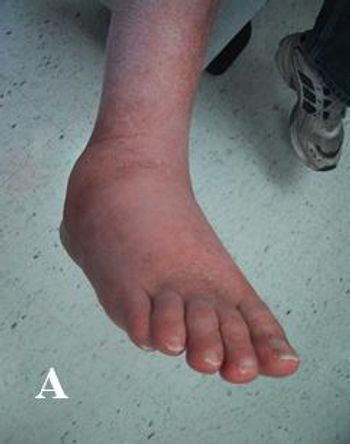
Acute stage Charcot foot is seen in a 55-year-old man with type 2 diabetes mellitus. He has a history of peripheral neuroarthropathy with a 1-week history of a hot, swollen right foot. A radiograph of the foot revealed acute stage Charcot neuroarthropathy.
Remembering the role the patient can play in preventing medication errors is important. Here I focus on potential errors resulting from nonadherence with insulin.

This patient with type 1 diabetes noted a painful erosion at the site of tattoo she had gotten several days earlier. What's the most likely cause?
An extensive meta-analysis calls into question the standard practice of switching from an ACEI to an ARB in patients with type 2 diabetes.
The American Association of Diabetes Educators recommends these talking points.
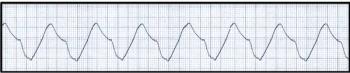
This 32-year-old woman's family brought her to the ED after 2 days of progressive confusion, fatigue, and weakness. Her multiple medical problems included juvenile-onset diabetes mellitus. Here, more details and a management challenge.
Hyperkalemia is the most serious of the electrolyte disorders and can lead to death if not managed appropriately.
A paw on the leg, a wet nose in the night-both have helped diabetes patients avoid the consequences of peaks and troughs in blood sugar. More on how the dogs do it, here.
You have probably read the news by now -- but do you recall the most remarkable rates of decline? Was it in MI? Lower-limb amputations? Death after hyperglycemic crisis? Check your memory with this quick quiz.
Group-based lifestyle interventions have long-term effects on prevention of diabetes beyond the period of active intervention, this clinical trial shows.
Sodium glucose cotransporter 2 inhibitors act independently of insulin level and so can be used at various stages of type 2 diabetes disease progression. Latest findings, here.
Two new studies show the heart-healthy benefits of this eating plan.
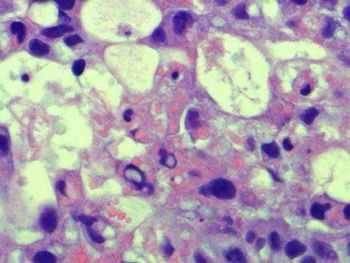
Test yourself on restless legs syndrome; germ cell tumors; statin use; autoimmune syndromes; and sleep apnea with this quiz.
Patients aged 80 years or older were more than twice as likely to visit the ED and nearly 5 times as likely to be hospitalized for insulin-related hypoglycemia than those aged 45 to 64 years.
In a US study, diabetes was shown to significantly increase the odds of having restless legs syndrome and a history of diabetes was the most consistent risk factor linked to the disorder.
The benefits of statin therapy no longer stand uncontested as they did early in the life cycle of the class. The pro and con camps each can point to science, but in the end it's about personalized medicine.
In the news: respiratory disease underdiagnosed, Alzheimer biomarkers, Crohn disease microbiome, migraine device, sleep apnea and diabetes.
The findings provide another good reason for those with OSA to wear a CPAP mask that helps ensure uninterrupted breathing throughout the night.
Diabetes appears to increase the risk of stroke in women, but not in men, a new study shows.
Here: factors that can affect home BP readings . . .when to start antiretroviral therapy . . . coping strategies for the challenges of aging . . . triggers to avoid in hyperthyroid patients . . . insights into causes of childhood obesity.
Certain modifiable risk factors-ncluding heart rate, smoking status, and antihypertensive medications-affect blood pressure in patients with type 2 diabetes mellitus. And variability in blood pressure has an important role in progression of organ damage.
Young men who have participated in sports at a high level have reduced disturbances in glucose regulation later in life, and the prevalence of type 2 DM is lower.