





















































































































































In people without diabetes and considered low risk for CVD, A1c was associated in a graded, positive fashion with subclinical atherosclerosis, even at prediabetes levels.
In people without diabetes and considered low risk for CVD, A1c was associated in a graded, positive fashion with subclinical atherosclerosis, even at prediabetes levels.

SGLT-2 inhibitor investigator Mikhail Kosiborod, MD, answers questions about patient selection for the class of drugs, now with approval to treat much more than type 2 diabetes.

The landmark Diabetes Prevention Program (DPP) trial and follow-up studies proved that risk of T2D can be reduced in patients at high risk for the disease. Do you know by how much?
CKD IQ Test Preview: When should you suspect kidney disease? What measure is used to define chronic kidney disease? What UACR test result indicates albuminuria? Good luck.
Mikhail Kosiborod, MD, a lead investigator for clinical trials of SGLT2 inhibitors, traces the class history from antidiabetic agents to guideline-recommended multidisease treatments.

Most patients with chronic kidney disease are treated in primary care where the primary goal is twofold: slow progression and prevent complications. Find essentials of both, here.

New topline data from the global SURPASS-4 trial shows treatment with investigational agent tirzepatide led to superior reductions in A1c and body weight vs insulin glargine.

ACC.2021: A new analysis of FIDELIO-DKD found patients with chronic kidney disease and type 2 diabetes were about 30% less likely to develop atrial fibrillation vs those treated with placebo.

Video
VIDEO: Given the increasing morbidity and mortality associated with fatty liver disease in the US, it should be on the "tip of [your] diagnostic tongue," says Seth Baum, MD. He explains why.

ACC.21: Findings from a study released in advance of the ACC annual meeting suggest that prediabetes confers nearly twice the risk of major cardiovascular events vs normoglycemia.

A new study found that women who consumed ≥2 servings/day of sugar-sweetened beverages had a 2.2-fold higher risk for early onset CRC vs those who had less than 1 serving/week.
Robust analyses of urine metabolites detects poor adherence with prescribed treatment in T2D and is associated with prevalence of micro- and macrovascular complications.
The 2020 Kidney Disease: Improving Global Outcomes Clinical Practice Guideline integrates new treatments and practices with existing management strategies for CKD patients with diabetes.

Dapagliflozin is the first SGLT-2 inhibitor to receive FDA approval for the treatment of CKD, regardless of diabetes status.
ACP: Clyde W Yancy, MD, gave a comprehensive update on a year's worth of pivotal science in treatment of heart failure. Here are the highlights.

Research shows that increased risk of chronic disease and mortality begins below a BMI classified as obesity. The earlier we intervene with at-risk patients, the greater the chance for success.

Authors of a new study say their findings suggest bariatric surgery should be considered first-line treatment for the management of obesity in patients with type 2 diabetes.

New findings suggest that patients with asthma and type 2 diabetes who use GLP-1 RAs for diabetes treatment intensification have fewer asthma exacerbations compared to other diabetes drugs.
For frontline clinicians who care daily for patients with obesity and type 2 diabetes, a weight-centric approach to T2D, including antiobesity drugs, could help improve outcomes.

Measures of heart function and anatomy were used to assess the effects of red and processed meat on cardiovascular health; findings were reported at ESC Preventive Cardiology 2021.

Prevalence of nonalcoholic fatty liver disease and nonalcoholic steatohepatitis is increasing and early detection is critical. Brush up on basics with our slides.

A recent study showed lifestyle counseling in primary care was effective in preventing type 2 diabetes in long-term follow-up.

In individuals with chronic coronary disease, the presence of diabetes increased the rate of death by 38% during a 5-year follow-up period in analysis of a worldwide patient registry.
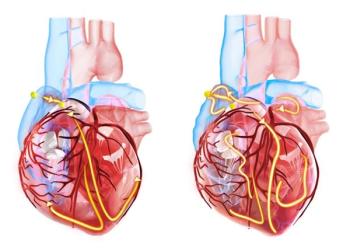
A recent meta-analysis suggests some sodium glucose cotransporter-2 inhibitor agents may protect against atrial and ventricular arrhythmias as well as sudden cardiac death in type 2 diabetes patients.

In a subanalysis of the landmark DAPA-HF trial, dapagliflozin benefits were observed in both men and women, an important finding given variable response to cardiovascular drugs among women.