




















































































































































ACC 2022: Updated findings further highlight benefit of sotagliflozin treatment in patients with T2D and CKD, regardless of cardiovascular disease presence.

Finerenone Consistently Reduced Cardiorenal Risk Regardless of ASCVD History in FIDELITY
ACC 2022: Updated findings further highlight benefit of sotagliflozin treatment in patients with T2D and CKD, regardless of cardiovascular disease presence.

The higher dose of the GLP-1 analogue allows more flexibility for patients with T2D needing to intensify treatment, says manufacturer Novo Nordisk.

Persons with type 2 diabetes who either gained or lost 5% of baseline bodyweight were found to be at higher risk for heart failure, MI, and all-cause death.
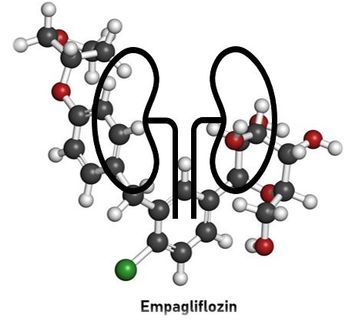
The phase 3 EMPA-KIDNEY clinical trial had just met prespecified criteria for positive efficacy when the study's Independent Data Monitoring Committee recommended the early halt.

Moderate consumption of alcohol with food was significantly associated with a 14% lower risk of type 2 diabetes in a preliminary analysis.
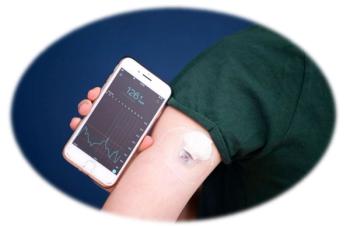
Glycemic variability and low time in range were associated with retinopathy, nephropathy, neuropathy, and CVD in a cohort of more than 20 000 persons, most with T2D.
The landmark approval for the SGLT-2 inhibitor will open access to treatment for the ~ 3 million adults with heart failure with preserved ejection fraction.
t:slim X2 insulin pump users can now program or cancel bolus dosing with the secure t:connect mobile app already on their phones, says Tandem Diabetes Care.

US patients at high CV risk do not receive adequate evidence-based pharmacotherapy, according to large multisite cohort analysis.
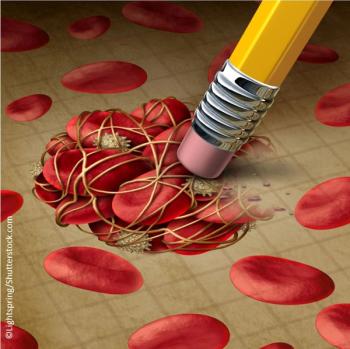
Researchers in Taiwan found NOACs were associated with lower hazards of diabetes complications. and death than warfarin in persons with AF and DM.

The 2022 DSMES National Standards update focuses on reducing administrative burden on educators and improving person-centered care for patients.
The 180-day sensor life doubles the period of continuous use and cuts in half the number of CGM removals and reinsertions, without loss of accuracy.
Nearly two-thirds of persons aged younger than 50 years who had an acute ischemic stroke had obesity in a study presented at the 2022 International Stroke Conference.

Higher daily step counts by women aged ≥65 years was associated with reduced risk for incident diabetes, an effect that was modified by the level of stepping intensity.
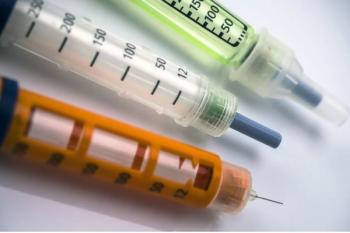
Tirzepatide at 3 different doses significantly improved glycemic control and promoted weight loss when added to titrated insulin in patients with type 2 diabetes.
Use of SGLT2 inhibitor and GLP-1 RA therapy in patients with type 2 diabetes appears to confer hepatic protection when compared with use of DPP-4 inhibitors.
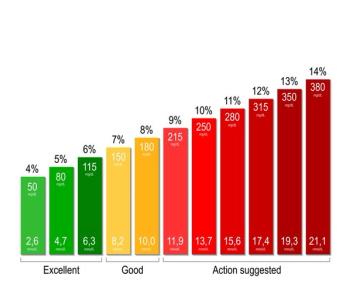
Greatest improvements in A1c, %TIR, and other glycemic parameters were seen in patients treated with ≤1 medication, in another challenge to current payer restrictions.
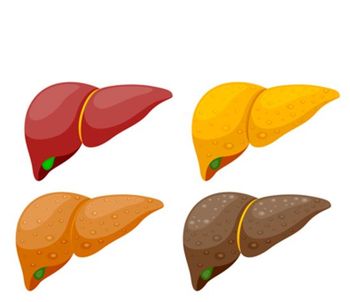
Integrating NAFLD as a diabetes complication to be addressed during routine cycles of care could reduce barriers to a NAFLD pathway in primary care, agreed focus group participants.
NYU endocrinologist Brian Levy, MD, offers perspective on keeping the transition from basal insulin to multiple daily injections as simple as possible for patient and provider.

Type 2 diabetes patients-and their PCPs-may have trouble moving to basal + mealtime insulin from basal insulin alone. Endocrinologist Brian Levy, MD, offers insights.

The psychiatrist-author of "Coping with COVID-19: The Mental, Medical, and Social Consequences of the Pandemic," talks frankly about the pandemic's long-term impact on American health.

Results of a new study that used early clinical surrogate markers of metabolic disease find women at greater risk related to suboptimal sleep.
The American Academy of Neurology recently issued a guideline on oral and topical treatments for painful diabetic neuropathy. Here, a concise summary for clinicians.

Glucose and insulin levels decreased after just 3 minutes of the moderate-intensity exercise, a promising finding for those with type 2 diabetes, say authors of a new study.
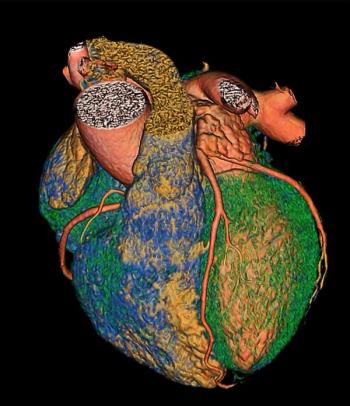
Coronary heart disease prevalence in the US between 2011 and 2018 saw a statistically insignificant change, from 6.2% to 6.0%, respectively.