






























































































































































Cardiovascular diseases, particularly heart failure, were found significantly and independently associated with end-stage renal disease in a new analysis.
Cardiovascular diseases, particularly heart failure, were found significantly and independently associated with end-stage renal disease in a new analysis.
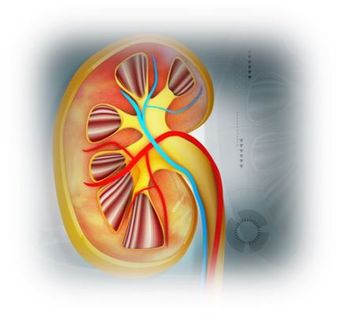
When CKD 4-5 progresses to ESRD, how should hypertension management be changed? Or, should it?
New risk prediction models may help identify patients with and without diabetes at elevated risk for chronic kidney disease, say authors of a recent study.
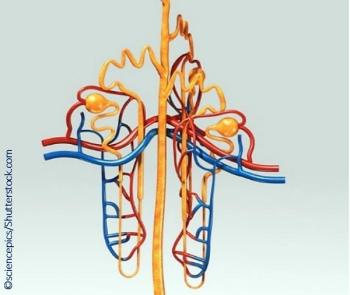
Transitioning from urgent, unplanned inpatient dialysis to home hemodialysis was linked to higher risk of mortality in a new registry analysis.
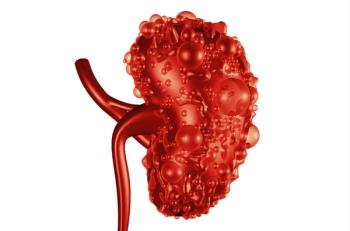
A new prospective analysis of ADPKD guidelines from Canada and Europe resulted in cohorts enriched with high-risk patients in excess of 80%.

Results of a new study may put to rest the suggestion that vitamin D or omega-3 fatty acids protect against incident kidney disease or disease progression.

According to a new report based on hospital encounters, autosomal dominant polycystic kidney disease is not a significant risk factor for kidney stones.
Highlighted: Chronic kidney disease and stroke risk, syphilis in ESRD patients, and how healthy diets may reduce CKD incidence.
Primary care providers are often first to detect chronic kidney disease and essential to help prevent complications. Take our short test on CKD basics.
Lack of knowledge, keeping up with changing management guidelines, and limited time and resources were among reported barriers.
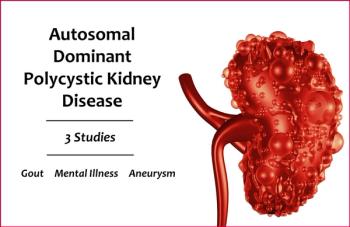
Studies on comorbidities seen with CKD reviewed here examine controlled vs uncontrolled gout, psychiatric diagnoses, and screening for intracranial aneurysm.
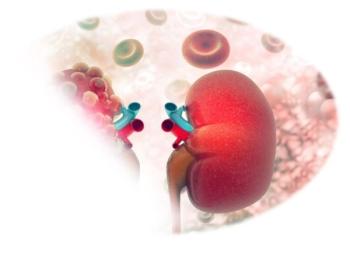
The risk for end-stage renal disease in patients with ADPKD is high. What factors increase the risk and how is it best managed? Test yourself.
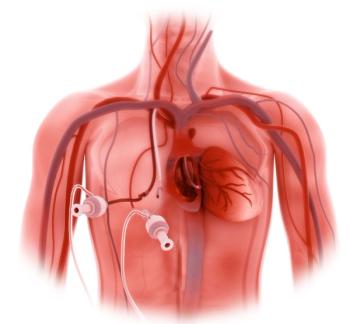
Three new studies on ADPKD treatment project long-term impact of tolvaptan; reveal potential in an existing drug class; and, report success in slowing comorbid hepatic disease.

Most children with ADPKD remain asymptomatic, but some manifest early and aggressive disease. Try our 6 questions on the new expert guidance on tricky treatment issues.
Find summaries here of 3 recent studies conducted to shed light on difficult issues in the management of autosomal dominant polycystic kidney disease.
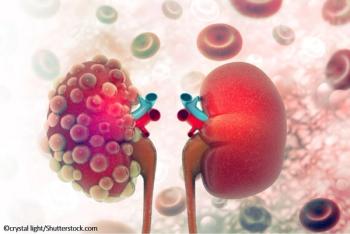
Autosomal dominant polycystic kidney disease is the most common form of polycystic renal disease. Find out what you know about ADPKD with this 7-question quiz on epidemiology, diagnosis, and more.
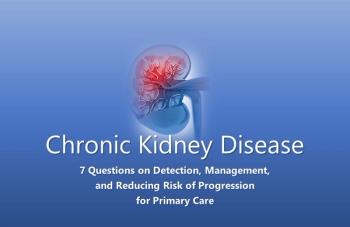
The primary care role in detection, management, and reducing the risk of progression of CKD continues to expand. Test yourself here on basics in each category.
Keeping a loop diuretic on board during dialysis could be an effective, low-cost option to help improve patient outcomes, according to a new study.
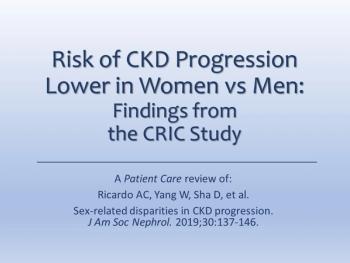
Authors of the CRIC study found sex-related disparities in chronic kidney disease progression. Scroll through our slideshow to get the highlights.
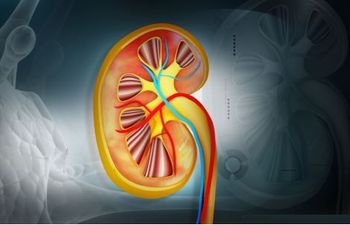
Renal damage, blood glucose level, family history--which was independently linked to incident T2DM in CKD? Read the study highlights.
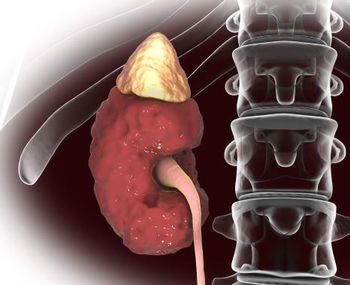
The optimal choice of medication to bind excess phosphate in patients with advanced CKD won't always be straightforward.