


























































































































































Physical activity was associated with up to 22% lower mortality and 19% lower stroke risk in adults with and without atrial fibrillation in a large Norwegian cohort study.
Physical activity was associated with up to 22% lower mortality and 19% lower stroke risk in adults with and without atrial fibrillation in a large Norwegian cohort study.

FDA accepted Bayer's asundexian NDA for recurrent stroke prevention after noncardioembolic ischemic stroke or TIA.

South London data show stroke rates climbing again, hitting Black communities and poorer areas hardest, and exposing gaps in prevention and follow-up.

New AHA/ASA stroke guidance widens thrombolysis and EVT access, eases imaging, and updates BP/glucose targets—what frontline teams need now.
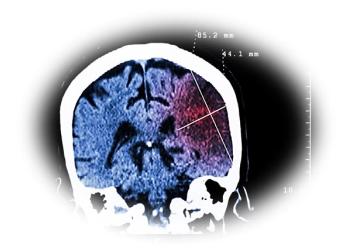
Topline data show the factor XIa inhibitor cut ischemic stroke risk without increasing ISTH major bleeding, pointing to a possible new option for secondary prevention.

ESOC 2025: New research reveals that combined oral contraceptive use significantly increases the risk of cryptogenic stroke in young women, urging careful assessment by clinicians.
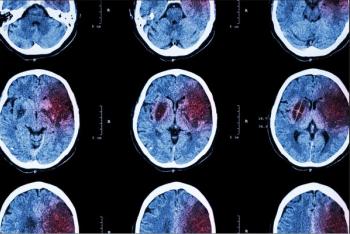
Elevated HbA1c/HDL-C ratios significantly increased stroke risk, even after adjusting for confounding factors, reported authors of a recent study.

Data set to be presented at ISC 2025 shows that the protective effect of propranolol was stronger for ischemic stroke compared to other stroke types.
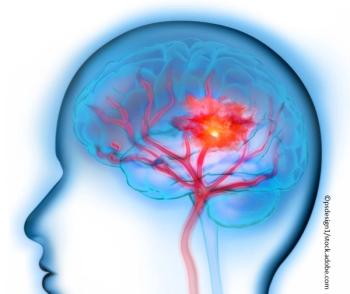
Study participants who had a history of stroke were nearly 60% less likely to meet guideline-recommended secondary prevention goals, new research reveals.

Migraine was the most important nontraditional risk factor linked to stroke in adults aged 18 to 34 years and should be considered in evaluation for an event.
The novel SGLT-2/SGLT-1 inhibitor reduced risk of stroke, MI, and demonstrates significant antiplatelet activity in post-hoc analyses of SCORED phase 3 trial.
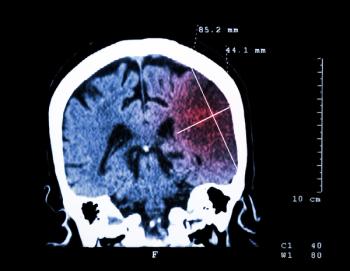
Even activity levels considered "insufficient" by guideline standards were found protective against stroke in this new systematic review and meta-analysis.
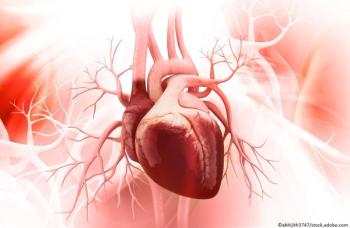
Patients who had microplastics and nanoplastics in their carotid plaque were at more than a fourfold risk for MI, stroke, or death compared to those who did not, according to a new study.

Women with migraine and persistent VMS faced double the risk of CVD and triple the risk of stroke, reported researchers.
Anticoagulation and antiplatelet therapy appeared equally effective in reducing risk of recurrent stroke following cryptogenic stroke in persons with evidence of atrial cardiopathy.

In apixaban-treated participants, risk of stroke or systemic embolism was reduced by 37%; the risk of disability or fatal stroke declined by 49%, but with noted bleeding risk.

The 3-fold greater risk of subsequent stroke was observed in the Black Women's Health Study's youngest cohort, aged 24-34, investigators reported.
AXIOMATIC-SSP is considered the largest clinical trial of activated factor XIa inhibition added to standard antiplatelet therapy for secondary stroke prevention.

A new analysis of the ASPREE trial of aspirin for primary prevention in older adults finds a poor risk-benefit ratio for prevention of stroke.
Disparities in emergency routing persisted despite women being acutely sicker than men and living the same distance from a comprehensive stroke center, in a Houston, Tx study.
Statin therapy initiated within 1 year of diagnosis of atrial fibrillation reduced the risk of ischemic stroke or systemic embolism by nearly 20%.

Findings also showed that between 1990 and 2019, the global number of ischemic stroke deaths rose from 2 million to 3 million.

EHRA 2023: Patients with AF who started statins within a year of diagnosis had reduced risks of stroke and TIA compared with those who did not start statins.
The magnitude of the association with age did not change, however, for other stroke risk factors, including smoking, atrial fibrillation, and LVH, investigators report.

A study of more than 1.5 million women with a history of preeclampsia found up to a 4-fold higher risk of MI and 3-fold increased risk of stroke within 10 years of delivery.