

RAD 2025: Safety and tolerability of roflumilast cream 0.15% was demonstrated in a pooled subgroup analysis of phase 3 study participants unresponsive to or intolerant of previous topical therapy.
RAD 2025: Safety and tolerability of roflumilast cream 0.15% was demonstrated in a pooled subgroup analysis of phase 3 study participants unresponsive to or intolerant of previous topical therapy.

RAD 2025: This unique study design simulates the real-world use of JAK inhibitors in tailored treatment regimens with flexibility to manage AEs.
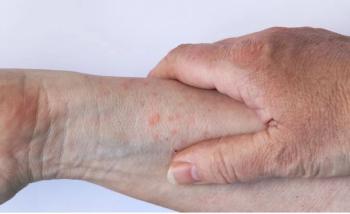
RAD 2025: More than 80% of people would want, or would consider, a test that would direct them towards a more effective therapy for their AD, according to new data.

Hear experts' takeaways from ACOG 2025 on menopause care, postpartum depression screening, and obesity management.

From HPV vaccination to PCOS management, this quiz is designed for primary care providers who want to stay ahead in women's health.

ACOG 2025: Joy Baker, MD, discusses the urgent need to prioritize postpartum depression screening, normalize mental health in prenatal care, and strengthen continuity between OB-GYN and primary care.

Johanna Finkle, MD, outlines how clinicians can adapt weight management counseling during key stages of a woman’s life, from preconception through menopause.

At ACOG 2025, Elizabeth Mollard, PhD, discussed her research on Medicaid PPD screening and coverage policies on PPD diagnosis.

ACOG 2025: Laxmi Gannu, MS, discusses key findings from a provider survey on postpartum depression screening practices, training gaps, and referral patterns.

ACOG 2025: Joy Baker, MD, urged primary care clinicians to screen early, refer confidently, and help change the statistics on maternal mental health.

Data from the global RAPID registry provide real-world support for dupilumab efficacy in youths and adults with uncontrolled asthma and with or without CRS and/or nasal polyposis.
ACOG 2025: Johanna Finkle, MD, shares strategies to start weight conversations with patients and build clinician confidence in counseling and treatment options.

ACOG 2025: Elizabeth Mollard, PhD, discusses her research on how Medicaid policies influence postpartum depression screening rates.
ACOG 2025: The Junonia study was designed to understand gaps in care for women with PPD using surveys of their clinicians and care coordinators.
ACOG 2025: Joy Baker, MD, discusses the importance of listening closely to how patients describe postpartum distress—and to read between the lines.
The nonhormonal neurokinin-3 receptor antagonist improved menopausal adiposity without appreciable impact on body weight or BMI, Santoro explained at 2025 ACOG meeting.
ACOG 2025: Pregnant patients may not want to discuss weight gain initially, so focus on overall perinatal health, and use that information to guide more conversation.
LeThenia Joy Baker, MD, explains why PPD is often overlooked compared to physical pregnancy conditions like gestational diabetes.
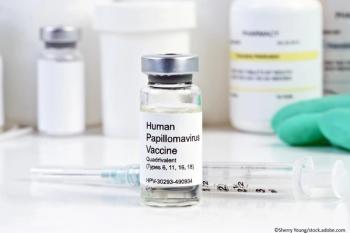
An intervention that included educational materials for clinicians on a multidisciplinary prenatal and postpartum care team helped drive acceptance.

Pregnant patients' perceptions do not match clinician certainty on abstinence counseling during pregnancy, and clinicians may not be asking patients about their partner's substance use.
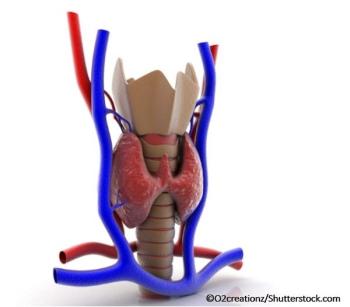
Researchers report an alarming number of missed opportunities to screen pregnant individuals for thyroid disease, including among women with a history of the condition.
ACOG 2025: Dr Baker shares how language can help create a trusting space for patients to speak openly about postpartum depression.
ACOG 2025: Joy Baker, MD, called for stronger cross-specialty collaboration to address maternal mental health after birth.

Steven Fleischman, MD, was inaugurated as ACOG’s 76th president, urging new fellows to lead with purpose and recognize their value in women’s health care.

Fewer than half of females who experienced heavy menstrual bleeding were given hormonal treatment, and far fewer were referred to gynecology, authors reported.
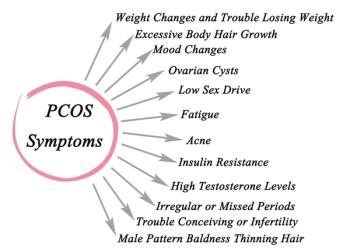
The findings support the potential cardiovascular advantages of the GLP-1RA class in women with PCOS, a population already at increased cardiometabolic risk.

While exercise is beneficial during pregnancy and ACOG recommends 150 mins/week, this is the first study to examine benefits of specific regimen elements on their own.
Postmenopausal women taking fezolinetant experienced positive changes in body fat distribution, increases in which are known to increase risks of cardiometabolic disease.
Details on 12 key abstracts with clinical relevance for primary care, from menopause management to PPD screening and HPV testing.

Elinzanetant reduced VMS frequency and intensity, and improved sleep and quality of life, according to the meta-analysis to be presented at the ACOG 2025 meeting.