

VIDEO: Reminder--employment contracts are long and complicated -- make sure you understand yours inside out, before you sign.
VIDEO: Reminder--employment contracts are long and complicated -- make sure you understand yours inside out, before you sign.
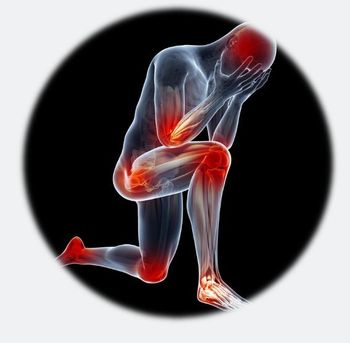
Take this post-test to find out what you learned in our Chronic Pain special report about the conditions you see most often in primary care.
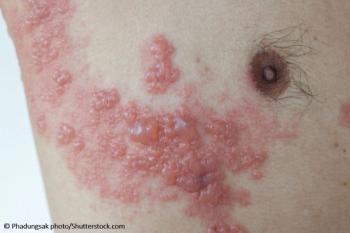
Up to 10% of the US population experiences neuropathic pain from common conditions seen in primary care. Get current with diagnosis and treatment.

Do you know the myths from the facts about opioid analgesics? Click through these 10 statements and find out.

'Tis the season to be jolly--and laughter is always good medicine. Click through our picks for the best medical humor from 2016.

Test your knowledge of drugs used in primary care that received FDA approval this year.
We round out our review of the CDC's 10 leading causes of death in the US with this slide show, highlighting numbers 6-10.

Have a quick look at the Patient Care 2016 5 Top Apps for Primary Care slide show -- there is probably at least one here that you need.
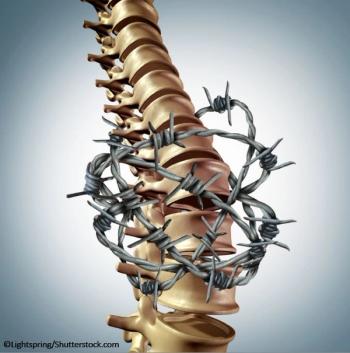
Low back pain and headache very often are seen first in primary care. Get a quick update on red flags, diagnosis, management, and referral.

FDA changed Flulaval's indication from age ≥3 years to age ≥6 months. The advantage? Now one size, 0.5 cc, fits all.

"My child won't be intimate before marriage," is a common parental refrain. The CDC says, don't bet on it. Do you know the odds?
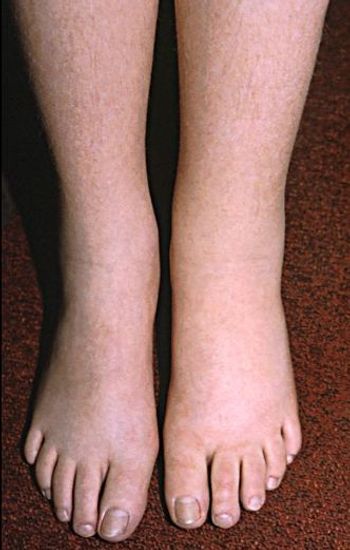
Lymphedema is a difficult diagnosis. Test your knowledge of etiology, signs/symptoms, diagnostic clues, and complications.

Primary care drugs were approved in nearly every month of 2016. This top-line slide show highlights 20 you should know about.
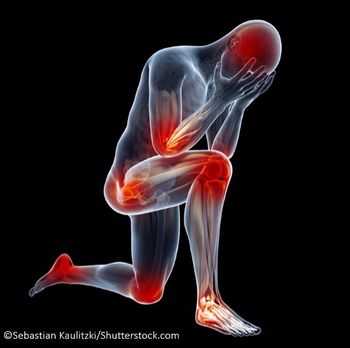
Back pain, headache, neuropathy, depression--primary care sees it all. Get current on when and how to treat the most common types of chronic pain.
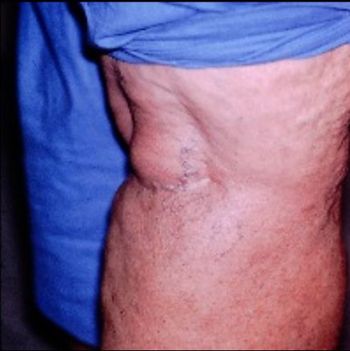
No labs, no biopsies, no imaging -- only your seasoned clinical judgement is required to make a diagnosis in this case.
CDC: Some preventable causes of death have declined, but these accounted for almost two-thirds of deaths from all causes.
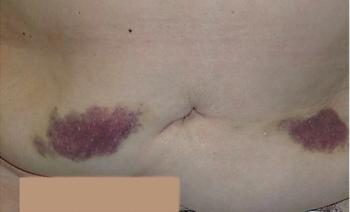
An elderly obese female presents with abdominal bruising following a motor vehicle accident. Can you ID the cause?

Find out what you know about a common neuropsychiatric disorder by taking this quick 8-question quiz.

Accepting the gatekeeper role requires scrutinizing and sometimes confronting the patient at the gate; it's getting a lot more complicated.
The diagnosis of trichotillomania seemed certain, despite lack of supporting history. It turned out to be about 50% wrong.