
















































































































Patient Care Guideline Toplines summarize newly revised and updated clinical recommendations from professional societies for convenient, at-a-glance review.

Patient Care Guideline Toplines summarize newly revised and updated clinical recommendations from professional societies for convenient, at-a-glance review.
Find a compact sampling of 2022 cardiovascular disease research reviewed on Patient Care, chosen by the editorial staff.

Cardiometabolic disease affects 1 out of every 2 Americans today. This first of 4 quizzes tests your knowledge of how to manage hypertension, heart failure, and renal disease.

Worldwide the report finds that hypertension, hypercholesterolemia, dietary risks, and air pollution are the leading causes of CVD which remains the leading cause of death globally.

Having both conditions while pregnant in the current study conferred more than double the risk of future CVD vs having either condition alone.
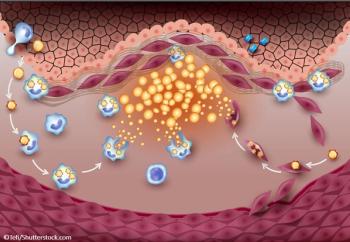
Approved in 2020 as Nexletol, bempedoic acid as the first ATP citrate lyase inhibitor and oral non-statin therapy to meet the MACE-4 primary endpoint.

Your daily dose of clinical news you may have missed.

An EHR prompt to a physician alone or in combination with a previsit patient prompt both increased statin prescribing in primary care but a patient prompt alone did not.

Being most physically active in the late morning had a 16% decreased risk of coronary artery disease and a 17% decreased risk of stroke compared to midday.
Your daily dose of clinical news you may have missed.
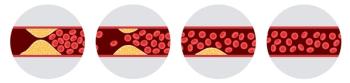
The therapeutic impact of the dietary lifestyle intervention and the differential effects could have major implications for clinical care and policy, say study authors.

Editorial Interview
"Cardiac rehabilitation is for life," says the NYU Langone Rusk Rehabilitation medical director of cardiac/pulmonary rehab, and he advocates empathy and compassionate understanding.

Study participants who had HZ were at 30% greater sustained risk of stroke and CHD vs those who had not had HZ in this large multicohort prospective study.
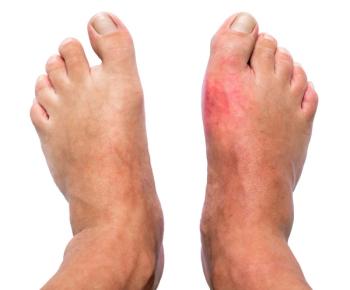
Allopurinol exposures of 100 mg or more than 100 mg were associated with lower odds of first-ever ACS with some differences between sexes, a new study reports.
Your daily dose of clinical news you may have missed.
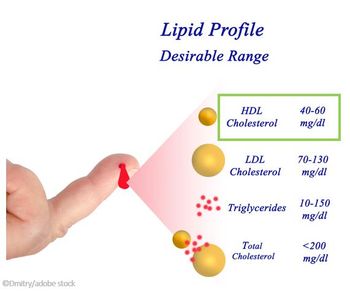
The analysis of a large biracial cohort found low levels of HDL-C linked to increased CHD risk in White but not Black adults and high HDL-C was not protective in either group.

Wearable activity trackers could potentially support clinical care for patients with pulmonary arterial hypertension, according to a new study.

The low rate of stroke prevention with oral anticoagulation in patients with atrial fibrillation is cause for significant concern, say investigators.

Analysis of women who did not have high blood pressure while pregnant found that 1 in 10 were diagnosed with hypertension in the year after delivery.
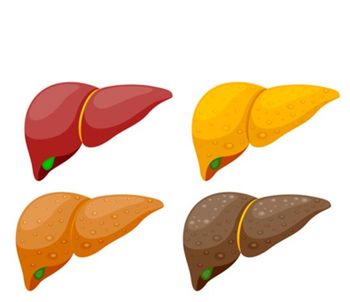
Bariatric surgery reduced by half the risk of CV events including myocardial infarction, heart failure, and stroke compared to nonsurgical care.
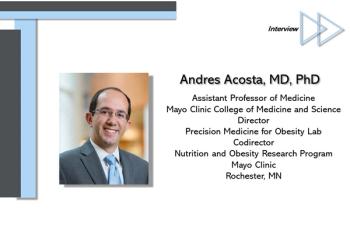
Obesity phenotyping uses a battery of validated tests and procedures to determine the root cause of a patient's disease and then match treatment accordingly.
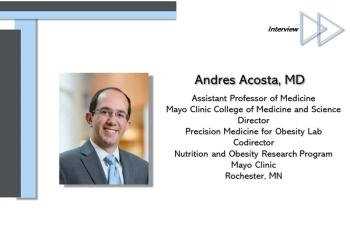
Acosta, a pioneer in the phenotyping of obesity, says one-third of patients don't respond to treatment and he knows why.
Your daily dose of clinical news you may have missed.

Baxdrostat shows potential to represent the first new class of antihypertensive agents approved since 2017.

The Mass General Brigham clinical intervention and study included 10 000 participants and resulted in significant reductions in SBP/DBP and LDL-C.