


















































































































































ADA 2022
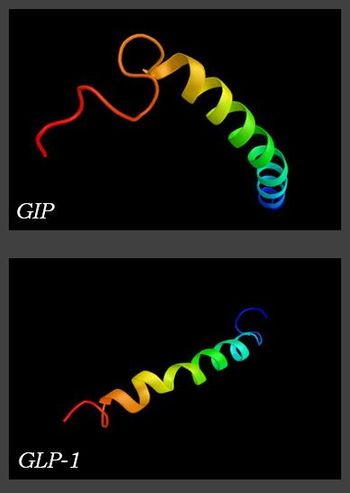
ADA 2022: Tirzepatide, a GIP/GLP-1 receptor agonist, reduced a composite of kidney events in patients with type 2 diabetes and at increased cardiovascular risk in an analysis of SURPASS-4.

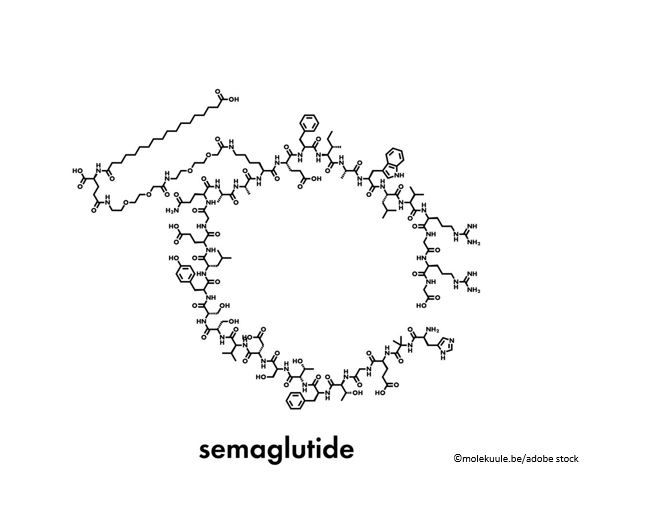
Semaglutide 2.4 mg Reduces 10-year Risk of Type 2 Diabetes in Patients with Overweight, Obesity

Finerenone Cardiorenal Effects in T2D Consistent Across Baseline HbA1c, Disease Duration
ADA 2022
ADA 2022: Tirzepatide, a GIP/GLP-1 receptor agonist, reduced a composite of kidney events in patients with type 2 diabetes and at increased cardiovascular risk in an analysis of SURPASS-4.
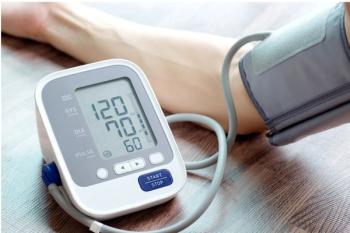
The first study of its kind found that intensive blood pressure control may be most beneficial in older adults with life expectancy greater than 3 years vs less than 1 year.
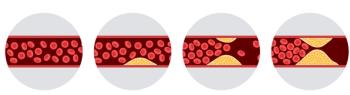
One-half of more than 600 000 patients with ASCVD were not prescribed statins at all and only 22.5% were taking a high intensity statin, according to a recent study.

Lead author of a recent study discusses why clinicians may be hesitant to use TikTok and how social media may shape health care going forward.
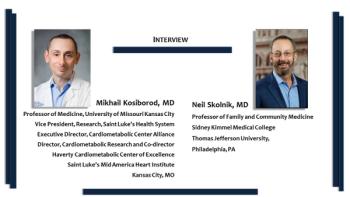
Kosiborod, a cardiologist, and Skolnik, a family practitioner, agree no single specialty owns that prescription and that "it takes a village to care for a patient."

Among more than 3000 participants with prediabetes, neither metformin or lifestyle change reduced risk for CV events over 21 years according to Diabetes Prevention Program Outcomes Study investigators.
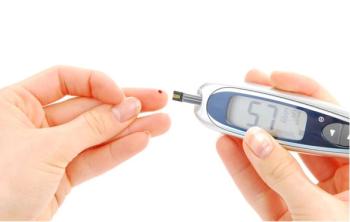
In adults with type 2 diabetes seen in primary care, lowering glucose substantially during the first 12 months post-diagnosis decreased risk for future MACE.

Mikhail Kosiborod, MD, a cardiologist and Neil Skolnik, MD, a primary care physician, agree that whoever is seeing the patient should prescribe the drug that is needed.
Lead author of a recent study sat down with Patient Care to discuss how clinicians are using the popular video sharing app and the quality of content available.

The patient is a young man who presents after resolution of several hours of chest pain. He is recovering from a lower GI illness and still taking Cipro. What's your Dx?

HbA1c levels over time were found higher at initiation of second-line treatment in veterans aged 55 years and younger, a trend unsettling to a new study's lead author.

New study presented at Heart Rhythm 2022 showed applying AI to an Apple Watch ECG can effectively identify LV dysfunction in a nonclinical setting.

Initiation of second-line type 2 diabetes treatment is lagging while A1c at the time it is introduced is climbing. The author of a new study highlights his findings on clinical inertia.

Seven risk factors accounted for 85% of the risk of first acute myocardial infarction in young adults in a new study.

High-level results show the trial met its composite primary endpoint, lowering risk of CV death or worsening disease in patients with HFmrEF/HFpEF.

Black patients hospitalized with atrial fibrillation were 25% less likely to receive oral anticoagulants upon discharge according to a large national registry study.
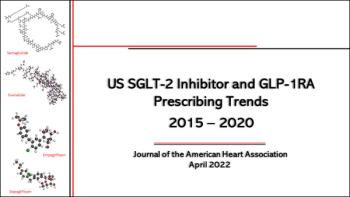
PCPs and internists accounted nationally for 57% of SGLT2i and 52% of GLP1RA prescriptions in 2020, more than any other specialty, according to new research.

The cardiac myosin inhibitor is the only treatment that targets the pathophysiology of the disease, improving patient function and symptoms.

USPSTF states low-dose aspirin should be considered for CVD prevention on a case-by-case basis in adults aged 40-59 yrs with a 10% or greater 10-year CVD risk.
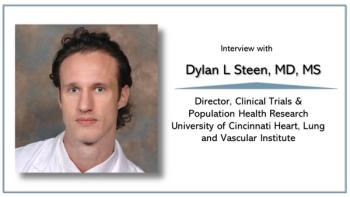
Dylan Steen, MD talks about several SuperWIN results that caught him happily by surprise and suggest plenty of room for follow-up research.
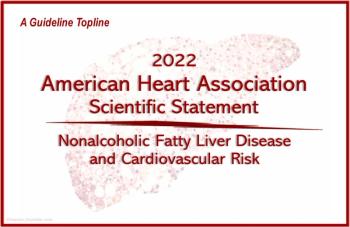
NAFLD is a key risk factor for ASCVD and widely underdiagnosed. This Guideline Topline summarizes new AHA warnings, guidance.

Researchers developed polygenic risk scores for 6 common diseases and informational resources to help primary care physicians incorporate them into clinical practice.
The NDA for daprodustat, a novel investigational agent, is based on data from pivotal ASCEND program clinical trials.
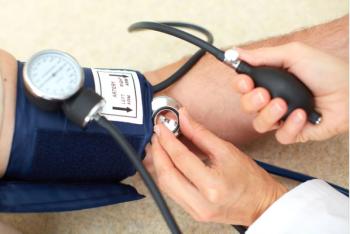
Patients who received a low-dose 3-drug combination pill achieved time at BP target of 64% vs the usual care group result of 43% in a post-hoc analysis of TRIUMPH.
SuperWIN trial findings suggest the future of successful health care depends on harnessing familiar, community- based resources to maintain health and deliver care.