





















































































































































In patients with type 2 diabetes and chronic kidney disease with and without history of CVD, finerenone was associated with improved CV and kidney outcomes.
In patients with type 2 diabetes and chronic kidney disease with and without history of CVD, finerenone was associated with improved CV and kidney outcomes.

The new HF guidelines prioritize primary prevention, revise disease stages to encourage early intervention, and now include SGLT2i as guideline-directed medical therapy.

ACC 2022: Updated findings further highlight benefit of sotagliflozin treatment in patients with T2D and CKD, regardless of cardiovascular disease presence.

ACC 2022. An EHR alert tailored to prompt clinicians to check guideline-directed medical therapy for individual HF patients was integrated carefully into clinical workflow.

ACC 2022. SODIUM-HF secondary findings, however, showed improvement in NYHA HF class and in QOL in the dietary intervention group.

ACC 2022
ACC 2022. Findings suggest that more attention to monitoring cognitive functioning after a myocardial infarction is needed.

ACC 2022
ACC 2022. Study assessed hypertension-related TikTok videos and found that 42% addressed alternative medicine, more than twice the number that focused on medical treatments.

ACC 2022. Black and Hispanic persons were 41% less likely than white individuals to receive CPR after cardiac arrest in public and 26% less likely when the event occurred in their home.

The higher dose of the GLP-1 analogue allows more flexibility for patients with T2D needing to intensify treatment, says manufacturer Novo Nordisk.
ACC 2022
ACC 2022. Can a couple of cups of coffee per day keep cardiovascular disease at bay? Findings from 3 new studies shed light.

ACC 2022. Approximately 5% of hospitalizations for acute MI in the state were found attributable to elevated levels of traffic noise.

ACC 2022. ACC late-breaking clinical trial sessions begin Sat, April 2, 2022. Our short slide shows highlight the studies of interest to primary care clinicians.

At ACC 2022 on Sunday, 4-2, look for studies on icosapent ethyl and alirocumab, landmark research on HFrEF, and a novel anticoagulant for atrial fibrillation.

At ACC 2022 on Sunday, 4-2, look for studies on icosapent ethyl and alirocumab, landmark research on HFrEF, and a novel anticoagulant for atrial fibrillation.

ACC 2022. Large study of US adults showed those with depression following MI were 50% more likely to experience a stroke than those who did not have depression.

ACC 2022. Exercise lowers CVD risk in part by reducing the same neurobiologic activity associated with depression and anxiety, according to study authors.

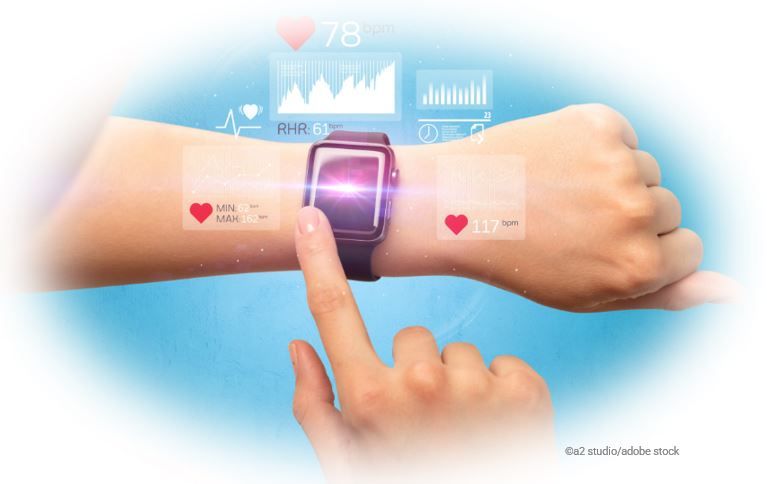
ACC 2022. A new systematic review suggests skin melanin content may impede accurate recording of heart rate and rhythm by wearable devices.

ACC 2022
ACC.22: Findings from 3 studies show drinking 2-3 cups of coffee per day is associated with a reduced risk of CVD, abnormal heart rhythms, and mortality.

Cardiovascular-health-focused company Eko redesigned its app to enable screening for cardiovascular disease within seconds during a physical exam.
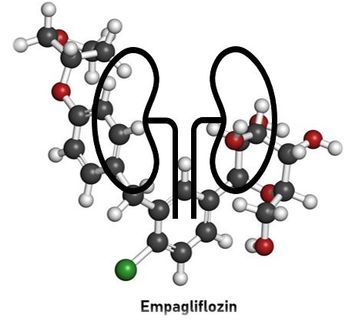
The phase 3 EMPA-KIDNEY clinical trial had just met prespecified criteria for positive efficacy when the study's Independent Data Monitoring Committee recommended the early halt.

A new meta-analysis questions the science demonstrating the link between statin-induced LDL-C lowering and improved CV, all-cause outcomes.

Men were more likely to experience sudden cardiac death than women across all age groups in a new nationwide study.
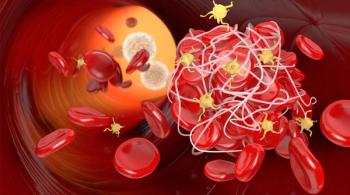
The direct oral anticoagulant was associated with a lower rate of rehospitalization for VTE among patients extending anticoagulation beyond 90 days, investigators report.

Adults with previous acute myocarditis did not experience recurrence or serious adverse events after COVID-19 vaccination in a small study presented at ESC Acute CardioVascular Care Congress 2022.

The increased risk of CVD was observed even in young adults with a serious mental illness, according to an analysis of nearly 600 000 US adults.