

















































































































































EASD 2021: Patients with metabolically healthy obesity are nearly 33% more likely to develop heart failure and atrial fibrillation than healthy persons of normal weight, suggests new analysis.

USPSTF Shift: Aspirin Use for Primary CVD Prevention Carries Greater Risk, Less Benefit
Iron Deficiency Increases Risk for Incident Coronary Heart Disease in Middle Age, Suggests New Study
EASD 2021: Patients with metabolically healthy obesity are nearly 33% more likely to develop heart failure and atrial fibrillation than healthy persons of normal weight, suggests new analysis.
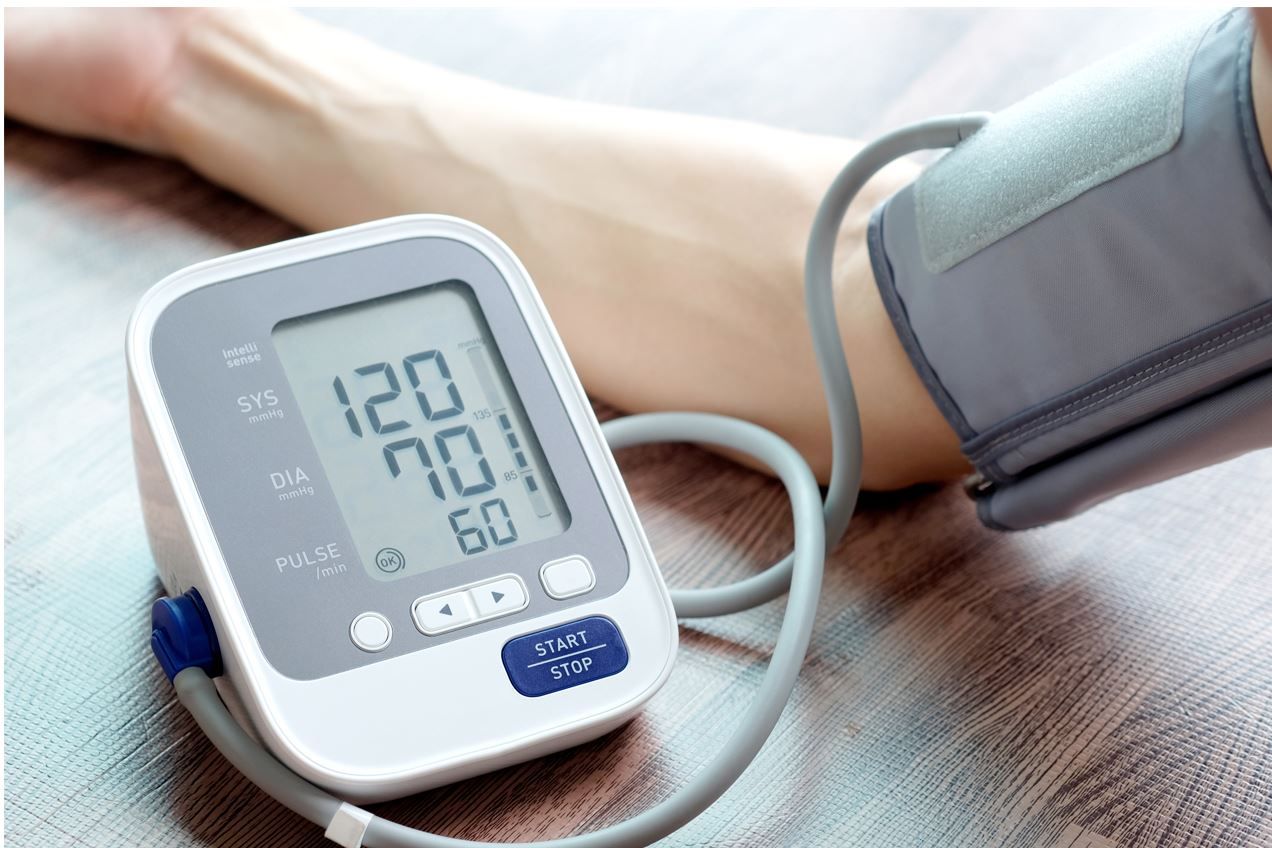
Hypertension in women over age 70 years and men younger than 50 years requires closer monitoring, even if patients are on treatment, say authors.
AHA Hypertension 2021 Scientific Sessions
A pattern of nocturnal reverse-dipping blood pressure in persons with type 1 or 2 diabetes put them at more than twice the risk of all-cause mortality, according to new research.
European Association for the Study of Diabetes 2021
EASD 2021: For persons who have had obesity, returning to a healthy weight may reduce risk for hypertension and dyslipidemia, and modestly for diabetes.
European Association for the Study of Diabetes
EASD 2021: Women with type 2 diabetes were less likely to meet targets for CV risk management vs men but at lower risk for future CV events, a new study found.
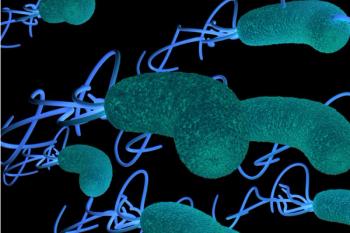
Helicobacter pylori infection in early-middle-aged adults was associated with higher BMI, triglyceride levels, carotid plaque formation, and carotid intima-media thickness.
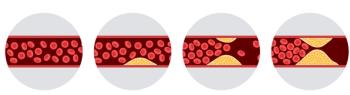
Clinical decisions on LDL-C management currently rely on a measure at one time point, typically middle age. A new study suggests burden begins early and so should assessment.
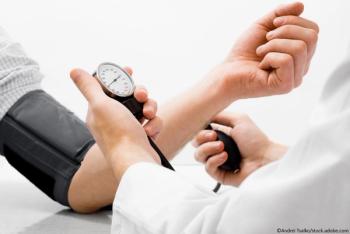
A new AHA scientific statement suggests metabolic surgery and weight-loss medications may reduce the long-term effects of obesity-related hypertension.
New hypertension research looks at stress hormones in early disease, the Quadpill as first Rx, tight BP control for older adults--for a start. We recap 8 new studies.
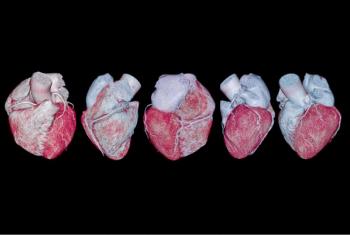
CCTA identified atherosclerosis in >40% of middle-aged adults without known coronary heart disease, report Swedish investigators; significant stenosis was found in another 5.2%.
Dapagliflozin adds substantial improvements in symptoms, exercise function to demonstrated disease-modifying properties for patients with HFpEF.

Identifying white coat and masked hypertension is essential for prevention of CV morbidity and mortality. Review the ACC/AHA recommendations on how to detect and manage.

Each doubling of levels of 4 stress hormones was associated with a 21-31% increase in risk of developing hypertension over a median 6.5-year follow-up.

New research suggests frequent cannabis use can raise the risk of myocardial infarction in adults younger than 45 years.

Patients with HIV had a 14% higher risk of sudden cardiac death than those without HIV, according to a large analysis of US veterans.
ESC Congress 2021
ESC Congress 2021: Results from the largest trial of its kind suggest that flu vaccination should be part of in-hospital treatment after myocardial infarction.
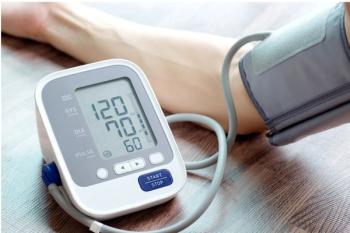
Aggressive control of systolic BP in adults aged 60 to 80 years significantly reduced CV risk, adding to evidence from the pivotal SPRINT trial in support of tight BP control.
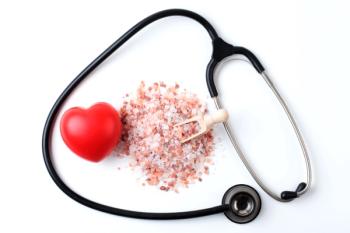
Substituting regular salt with low-sodium alternative was found to reduce the risk of stroke, major cardiovascular events, and death in a new study presented at ESC Congress 2021.
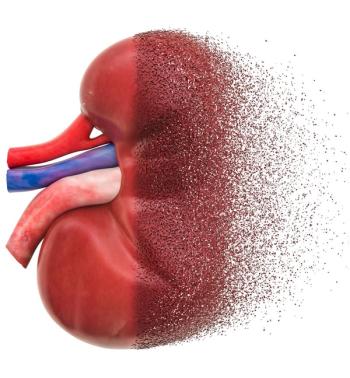
Finerenone, in patients with mild-to-moderate renal disease and T2D, reduced CV event risk by 13% and risk for a composite renal event by 23%, study authors reported at ESC 2021.
ESC Congress 2021
In a pooled analysis of 2 key clinical trials, empagliflozin was beneficial in patients with heart failure with a reduced and preserved ejection fraction.
ESC Congress 2021
Empagliflozin in patients with HFpEF reduced by 21% the risk of cardiovascular death or heart failure hospitalization across all prespecified subgroups, including those with/without diabetes.
The ESC Congress 2021, Aug 27-30, 2021, is here. For primary care, we highlight the "Hot Lines" clinical trial presentations where new data from novel trials will premier.

ESC Congress 2021
Consuming saturated fat from meat may be associated with a higher risk of CVD than other food sources, according to a new study presented at ESC Congress 2021.

ESC Congress 2021
Periodontitis was associated with an increased risk for CVD, particularly among patients with past myocardial infarction, in a new study being presented at ESC Congress 2021.

ESC Congress 2021
New findings being presented at ESC Congress 2021 highlight the need for smoking cessation services tailored to the specific needs of women.