



















































































































































AHA 2021: New research showed MK-0616, an investigative oral PCSK9 inhibitor, was associated with a near 65% decrease in LDL-C.


Blood Pressure Control Worsened among US Adults during Pandemic, Suggests New Study
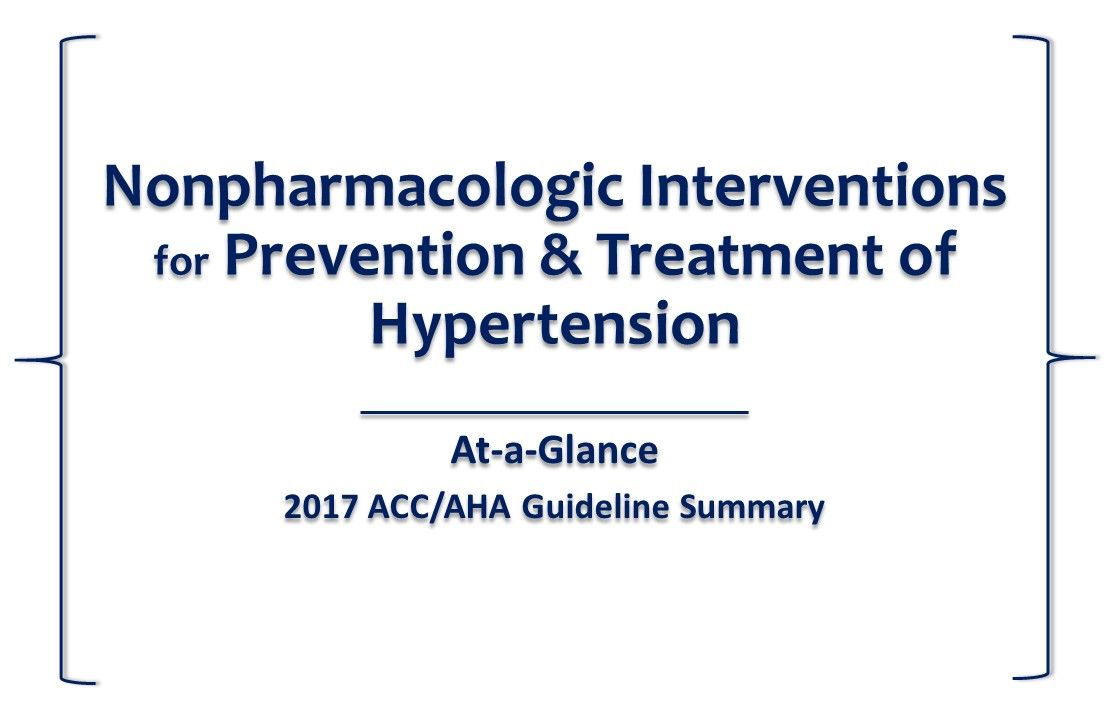
Nonpharmacologic Interventions to Prevent & Treat Hypertension At-a-Glance
AHA 2021: New research showed MK-0616, an investigative oral PCSK9 inhibitor, was associated with a near 65% decrease in LDL-C.

Patients taking either of the 2 anticoagulants showed no large differences on 4 cognitive test scores at 2 years, according to authors of the GIRAF trial.

Smoking was associated with earlier onset of cardiovascular disease, by 5.1 years for men and 3.8 years for women, the new study found.
AHA Scientific Sessions 2021
AHA 2021. Heart failure patients, across ejection fraction and diabetes status, reported improved QOL as early as 3 months in CHIEF-HF trial.

AHA 2021: Study suggests remote hypertension and hyperlipidemia management programs may expand telehealth delivery, increase access to care, and reduce health inequities.

AHA Scientific Sessions 2021
AHA 2021: Marcus, lead author of CRAVE, says it found little effect of caffeine on atrial arrhythmias, a significant effect on PVCs, a negative effect on sleep, and a boosting effect on physical activity.

AHA 2021: Novel software algorithm used in Fitbit wearable devices accurately detected undiagnosed atrial fibrillation about 98% of the time, showed results of the Fitbit Heart Study.
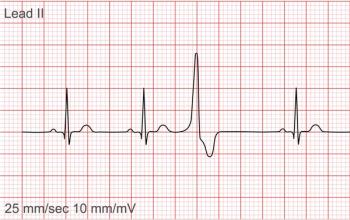
AHA Scientific Sessions 2021
AHA 2021. Coffee increased PVCs by 54% in regular coffee drinkers and decreased sleep by more than 30 minutes; it also significantly increased daily step count and slightly improved SVT.

AHA Scientific Sessions 2021
AHA Scientific Sessions 2021: New research provides a note of caution for the use of digital heart failure coaching apps in severely ill and elderly patients with unstable heart failure.
AHA Scientific Sessions 2021
AHA Scientific Sessions 2021: Employment status and higher caregiver burden were linked to increased engagement with a videoconferencing-based intervention to reduce the risk of CVD.

AHA Scientific Sessions 2021
EHR-integrated remote BP monitoring was evaluated in a primary care Medicare population to assess uptake and initial effects on hypertension management.
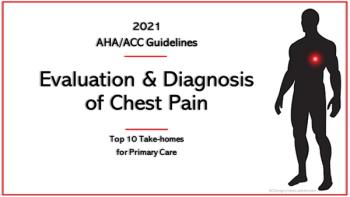
Chest pain evaluation requires timely and accurate distinction between serious and benign causes. The 2021 ACC/AHA guideline authors provide 10 important reminders.

AHA Scientific Sessions 2021
AHA Scientific Sessions 2021. Statin-associated muscle symptoms complicate treatment initiation and adherence; a new mHealth tool shows promise in reducing treatment cessation.

AHA Scientific Sessions 2021
AHA Scientific Sessions 2021: Blood pressure reductions to clinical targets were achieved by patients with sustained hypertension through a remote health care delivery program during the COVID-19 pandemic.

AHA Scientific Sessions 2021
AHA Scientific Sessions 2021: New research found living in socially vulnerable neighborhoods increased the risk of myocardial infarction, stroke, or death among hospitalized COVID-19 patients.

AHA Scientific Sessions 2021
AHA Scientific Sessions 2021: National study of over 2.9 million young Black adults showed increased rates of CVD risk factors and worsened hospital outcomes between 2007 and 2017.

A clinical psychologist from the Mayo Clinic Bariatric Center in Jacksonville, FL, explains and corrects key misperceptions that inhibit open discussion of the therapy.

Alexis Beatty, MD, MAS, highlights findings from the first peer-reviewed published study to report long-term experience with a digital health app for hypertension.
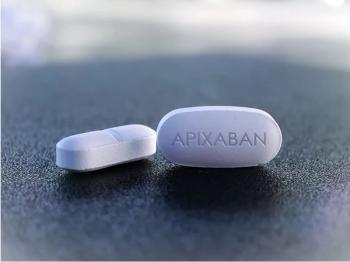
Primary nonadherence with anticoagulant therapy may be influenced by which DOAC is prescribed, age, and diagnosis of several chronic diseases, a new study found.
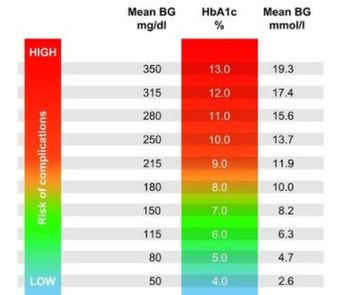
For individuals with A1c of 6.4-6.5%, just below the threshold for diabetes, risk of MACE was higher than for any other subgroup with A1c values ranging from 5.8-6.8%.
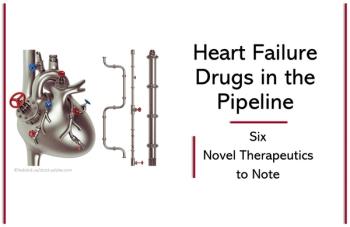
Heart failure drugs in the pipeline now number more than 100 and include familiar names plus dozens of new ones. Get a top-line look at 6 of the most promising.
Results of a GALACTIC-HF post-hoc analysis suggest a role for omecamtiv mecarbil in an HF population that remains difficult to treat effectively.
Advances in heart failure management, including inroads in treatment for HFpEF, are happening fast. Try 8 questions to find out how well you’ve been following the news.
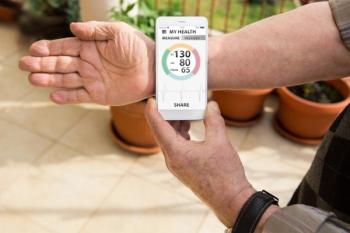
Novel peer-reviewed study found that a mobile hypertension self-management program can support long-term BP control and very high BP detection.

A survey of adults aged 50-80 years with hypertension and/ or related comorbidities found even among those with a BP monitor at home, less than 50% checked BP at least once a week.