
























































































































































A recent meta-analysis found that consuming up to 105 g of alcohol a week was associated with lower risks of cardiovascular events and mortality among adults with CVD.

COVID-19: Even Short Hospitalizations Lead to Long COVID Symptoms, Financial Hardship
A recent meta-analysis found that consuming up to 105 g of alcohol a week was associated with lower risks of cardiovascular events and mortality among adults with CVD.
Slideshow
Take this quick quiz to test your knowledge of key findings in landmark studies on the cardioprotective effects of SGLT2i and GLP-1 RAs.

Patients with overweight and obesity rarely received guidance on weight management after hospitalization for a coronary event, authors report.

Eating a more plant-centered diet was associated with lower risk for CVD among both young adults and postmenopausal women, according to two new studies.
Slideshow
As FHS continues, advanced technology leads to discovery of genetic CVD risk; imaging studies refine risk assessment; gamification enters FHS research; and a 2019 grant ensures the future.
These concise summaries highlight the latest findings on the cardioprotective effects of SGLT2 inhibitors and GLP-1 RA in patients with diabetes.
Slideshow
Findings from the Framingham Heart Study since its 1948 beginning have led to identification of and treatment for dozens of risk factors for cardiovascular disease. Which ones?

Results of a new systematic review and meta-analysis by researchers at Penn State College of Medicine underscore needs for patient education and additional research on prevention.

Nathan D Wong, PhD, MPH, renowned in the field of preventive cardiology, reviewed for Patient Care the history of the field and his own pivotal contributions and also paid tribute to his lifetime mentors.

Assessment of CVD risk is the foundation of primary prevention and integral to primary care. Brush up on the fundamental tools of risk estimation from the ACC/AHA guidelines.
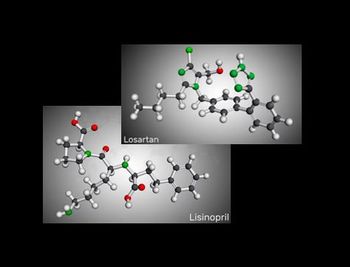
A head-to-head study found the 2 drug classes equally effective first-line therapies but ARBs, though prescribed less often, proved somewhat safer.

The FDA requests removal of pregnancy contraindication from statin prescribing information based on comprehensive reviews that found no evidence of an increase in birth defects.

In a new scientific statement, the AHA/ASA recommends that the first poststroke visit should occur earlier in primary care. Details plus 5 more key points primary care physicians should know.

The short slide show summarizes 9 pearls on preventive cardiology from the landmark ACC/AHA 2019 guideline on primary CVD prevention.

Regular coffee consumption was associated with a 3% lower risk of incident arrhythmia, a large study of UK adults found.

In patients with stable vascular disease from the COMPASS trial, the combination of rivaroxaban and aspirin effectively reduced ischemic events despite multiple comorbidities and polypharmacy.

What does the latest research say about the association between mental health and cardiovascular disease? Scroll through our quick slideshow for an overview.

The first nonsteroidal mineralocorticoid receptor antagonist to be approved for adults with T2D-associated CKD fills a significant treatment void for millions of patients.

A recent study found that the use of statins in patients with newly diagnosed T2D reduced incidence of cardiovascular disease and death, particularly among older patients.
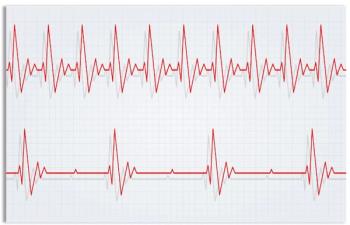
Using data from wearable devices that track physiologic changes caused by viral illness, researchers observed prolonged deviation from baseline resting heart rate in study participants.
The SGLT-2 inhibitor class, originally approved as antihyperglycemic agents for T2D, has proven "pluripotent," adding indications for related conditions. Test your knowledge of a few basic facts.

Empagliflozin, already indicated to improve outcomes in patients with HFrEF, reduced risk of a composite of CV death or hospitalization for HF in adults HFpEF, marking a potential therapeutic milestone.

Diabetes investigator John Buse, MD, PhD, says laser focus on reducing T2D risk factors is equally as important as using the next right drug against the disease.
Dr Buse’s in-depth review of the GRADE study is followed by a discussion of the keen need for more comparative research and the many new questions the results have raised about optimal T2D therapy.
Preliminary GRADE study results showed that liraglutide and insulin glargine added to metformin maintained A1c level in target range longer than glimepiride or sitagliptin.