

































































































































Cardiovascular health should be routinely assessed and addressed in LGBTQ adults, according to a new scientific statement from the American Heart Association.
Cardiovascular health should be routinely assessed and addressed in LGBTQ adults, according to a new scientific statement from the American Heart Association.
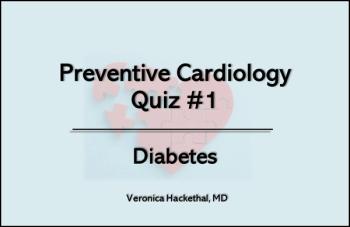
Diabetes is a primary risk factor for atherosclerotic cardiovascular disease. Find out how well you know the guideline recommendations for reducing that risk with the first of 4 quizzes.

A key opinion leader discusses the most significant unmet needs in the evolving spectrum of cardiovascular risk management.

In episode 3 of Primary Viewpoints, Brigham and Women's hypertension expert Naomi Deirdre Fisher, MD, discusses the challenges of hypertension management in primary care.
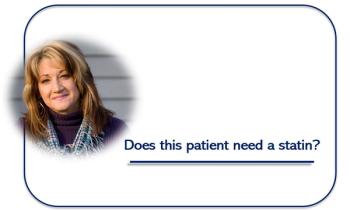
The decision to prescribe a statin to prevent ASCVD may require considering factors in addition to global CVD risk. A short case illustrates use of the CAC score.
How current are you on CAC and its place in CVD risk assessment? This short quiz will reveal your score.
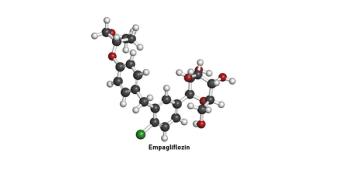
Empagliflozin is now in FDA fast-track development for prevention of hospitalization for HF and reduced all-cause mortality in patients, with/without diabetes, post-AMI.
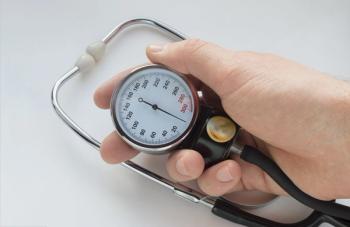
Office blood pressure measurement technique is relatively simple yet widely prone to error. Check your office procedure against guideline recommendations.

COVID-19 has been a boon for 1 chronic disease: hypertension. Brigham and Women's hypertension expert Dr Naomi Fisher says home BP monitoring programs are expanding, at last.
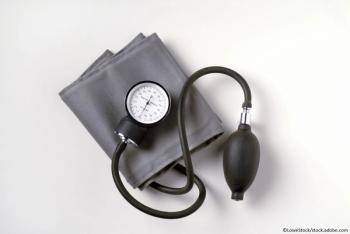
New research presented at AHA Hypertension 2020 suggest uncontrolled hypertension is becoming more common among US adults.

Patient is a 70-year-old woman who presents with biceps pain for 3 days. History includes atrial fibrillation. What's your diagnosis?
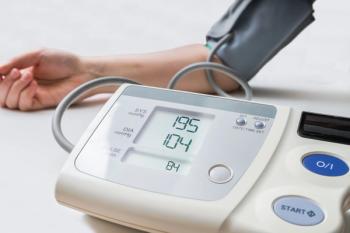
AHA Hypertension 2020: New research suggests using automated office blood pressure monitoring is not the ideal way to determine a hypertension diagnosis.
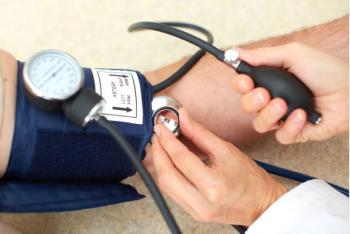
AHA Hypertension 2020: Primary care practitioners rely on officed-based BP measures and outdated cut points to diagnose new hypertension.

A new research article found moderate and heavy alcohol intake were associated with hypertension in patients with type 2 diabetes.
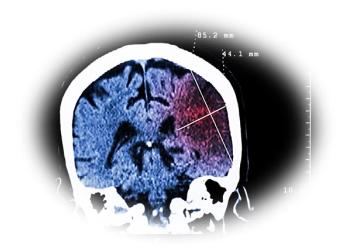
The risk of having a CVD-related event is increased by 21% for every 1% increase in usual A1c >7% in patients with type 2 diabetes, a new study finds.

A discussion on recent data updates from the REDUCE-IT trial, and their practical implications for physicians managing cardiovascular risk.

"Beyond hypertension, higher BPV is a major clinical predictor of cognitive impairment and dementia," conclude authors of a new study.

The role of aspirin in primary prevention of CV disease changed for good with results from 3 pivotal trials. Do you recall results and recommendations? Find out.
Refresh your memory on findings from the EMPA-REG OUTCOME, CANVAS, CREDENCE, and DECLARE-TIMI cardiovascular outcomes trials on SGLT2 inhibitors.

A new study found adults with high blood pressure were about half as likely to have serious cardiovascular events after receiving telemonitoring vs those receiving primary care.

In episode 2 of Primary Viewpoints, lipidologist and preventive cardiologist Seth Baum, MD, discusses lipid management in preventive cardiology.

Interview: The liver disease itself, and not the associated metabolic dysfunction, may lead to CV death in these patients. Seth Baum, MD, is involved in research for a treatment.
VIDEO: Preventive cardiology is a multidisciplinary therapeutic area and primary care clinicians have the advantage of greatest patient exposure to help advance care.

VIDEO: Treatment for ASCVD patients at high risk is lagging behind the availability of powerful new therapies. And, the pandemic does not help, according to Seth Baum, MD.
Palpitations and syncope during dinner (him); arrhythmia that looks like SVT after 2 energy drinks (her). What do the ECGs tell you?