
















































































































































Dapagliflozin, icosapent ethyl, and bempedoic acid were found to reduce clinical or surrogate CV endpoints in studies presented at ACC.19, March 16-18, in New Orleans, LA.
Dapagliflozin, icosapent ethyl, and bempedoic acid were found to reduce clinical or surrogate CV endpoints in studies presented at ACC.19, March 16-18, in New Orleans, LA.
Find out what you know about which diabetes drugs in which classes show CV protective properties and results of the trials that support their use.
Psoriasis medication for heart disease prevention, the role of artificial sweeteners in different types of stroke, and 3 other noteworthy findings from American Heart Month.
What approach is now AHA/ACC guideline-recommended for a patient with primary hypercholesterolemia, with an LDL-C of 192 mg/dL? Take Quiz #3.

From a mobile fluid tracker to an app with a 3-D beating heart, these are the top 5 heart failure apps that every primary care physician and patient should know about.
How will changes in the AHA/ACC update to the 2013 guidelines help optimize care for patients with ASCVD? Try part 2 of our 3-part quiz and find out.
What's new and what's not in the AHA/ACC 2018 update to the 2013 lipid management guidelines? Try part I of our 3-part quiz and find out.
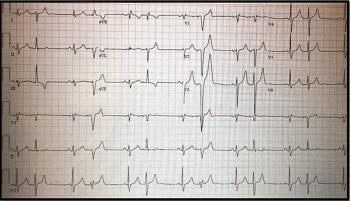
Other than sleep problems, this 52-year-old has no other medical history. What's your ECG read? Does the computer assessment agree?
As the new year begins, several developments in heart health research are making the news.
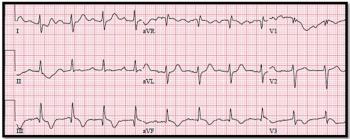
The 82-year-old is observed to be in respiratory distress but denies any symptoms. See the ECG for more information. Your dx?
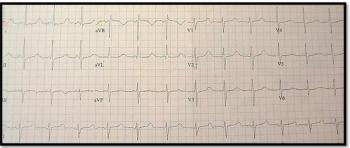
The 32-yr-old claims no medical history other than "thyroid surgery" and takes no medications. What does the ECG suggest?
What impact does this highly purified form of omega-3 fatty acid have on cardiovascular events? Authors of the REDUCE-IT trial sought to find out.

Under what circumstance/s is it appropriate to initiate treatment for hypertension with a single drug (followed by titration, additional agents)?
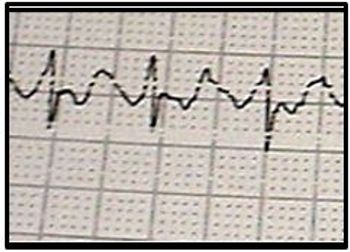
ECG Challenge: A 32-year-old woman is brought by ambulance to the ED. She is having palpitations after consuming 2 energy drinks. What's your ECG read?
Three abstracts from AHA 2018 shed light on long-term impacts of smoking (and cessation) on CV disease and how CV disease influences sedentary behavior.
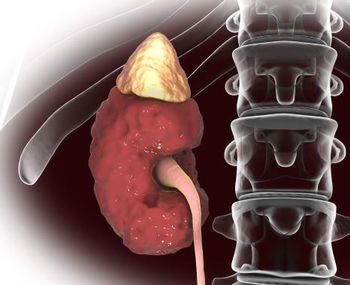
The optimal choice of medication to bind excess phosphate in patients with advanced CKD won't always be straightforward.
To Rx or not to Rx aspirin - is one of our 8 questions based on new research that highlights costs vs benefits of aspirin therapy.

When should you consider coronary artery calcium scoring to determine CV risk in your patients? Our author found some solid guidance.
ECG Challenge: The patient is seen in the ED after a short-lived reprieve from vomiting. She faints during the ECG. What’s your read of the tracing?
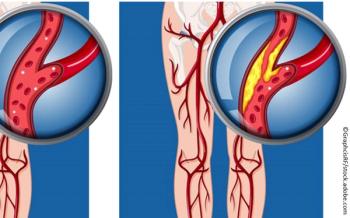
A look back at a decade of advances in management of peripheral vascular disease prompted this short summary of big changes.
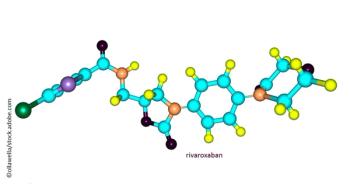
A subanalysis of the COMPASS trial found that combination treatment with rivaroxaban and aspirin reduced incidence of major adverse limb events by 43%.
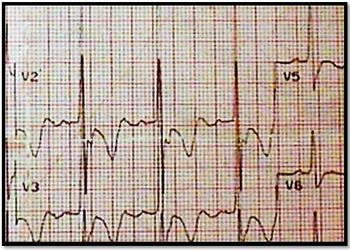
An 82-year-old woman presents with acute worsening of dyspnea, dry cough, and subjective fever and sudden onset of sweating. She denies chest pain. What's your ECG read?
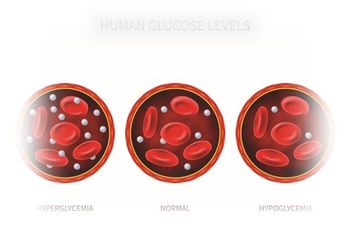
Severe hypoglycemia was associated with death within ~1 week among patients with T2DM, according to a subanalysis of the LEADER trial.
How current are you on CAC and its place in CVD risk assessment? This short quiz will reveal your score.
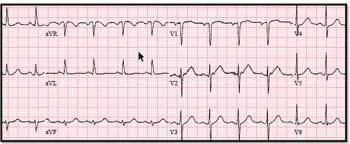
Severe pain from a pinched nerve in his neck could have caused this 64-year-old man to fall to the floor from his bed - but he's not sure. Does the ECG offer a clue?