














































































































































The consequences of elevated triglycerides range from xanthomas to CVD. Here, a primer on the mechanism of omega-3 fatty acid therapy.
The consequences of elevated triglycerides range from xanthomas to CVD. Here, a primer on the mechanism of omega-3 fatty acid therapy.

Consider this case of a 92-year-old man who presents with permanent atrial fibrillation and multiple comorbidities. Should he be anticoagulated?
A 76-year-old woman with drug eluting stent placed post-STEMI will need an antiplatelet regimen. What would you recommend?

Simultaneous events can confuse a clinical picture. In this case, the ECG offers clues to an event that occurred during an episode of bronchitis.

Annette is 61-years-old; she is treated for hypertension but today is concerned about her risk for heart attack because her father had a first MI at age 60. How would you proceed?

In patients with advanced renal disease, this is a persistent clinical question, but why?

Modern ICDs have built-in protection from interference by most current technologies. But do you know which ones could be problematic for your patients?

She is in the ED for a fourth episode in 3 months. Before fainting she has palpitations and feels a sense of doom. Your ECG read?
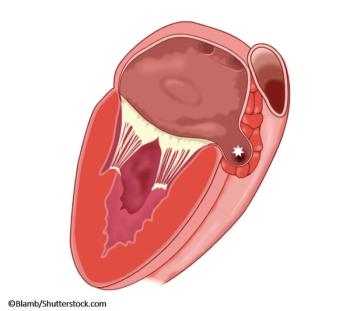
Results of the largest study to assess impact of left atrial appendage closure during routine non-AF-related cardiac surgery raise a few new questions.
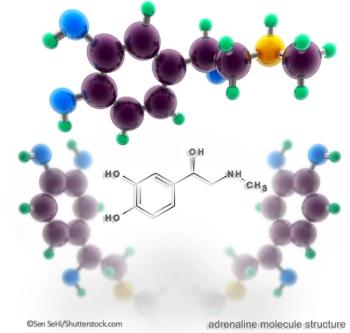
A small single-center study yields provocative results that may help increase understanding of the importance of the left atrial appendage.

Which CVD biomarker is most useful in what situation? Here are the top 5 most useful in primary care plus 3 key criteria to help choose the right one.

No metabolic derangement, insulin sensitivity preserved; fat on the macrometabolic level can look fit. Now, let's look deeper.

For your patients with 2018 resolutions to get healthy! Get a top-line look at 5 top fitness apps you can recommend to them and/or use yourself.

Is fixed-dose combination therapy your go-to for an initial hypertension diagnosis? If not, why not?

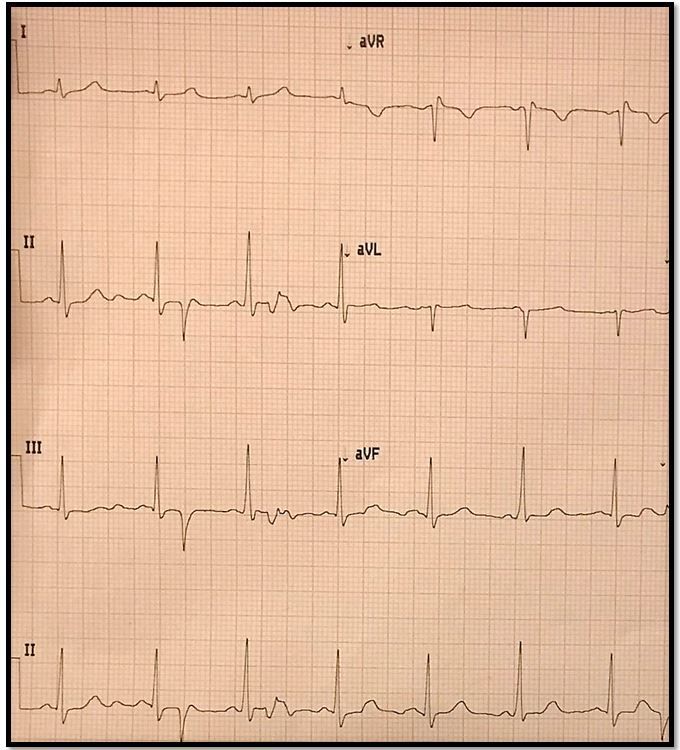
The chest pain is non-pleuritic, non-exertional, and is worse when the patient is supine. What is your read of the ECG?
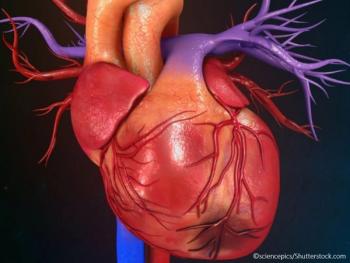
Bleeding and "mysterious" sginal for MI seen in RE-LY persist. Message: continue to weigh risk vs benefit.
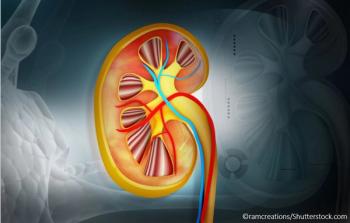
Study net-net: Account for kidney function when dosing the direct oral anticoagulants -- but also account for an agent's potential renal harm.
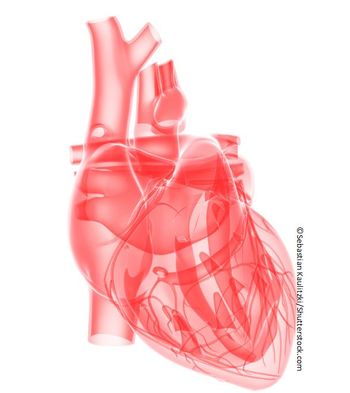
This study demonstrated that in patients with type 2 diabetes mellitus, use of β-blockers was associated with an increased risk for cardiovascular events and severe hypoglycemia. Details here.
A new meta-analysis finds that routine intake of artificial sweeteners is linked to weight gain and metabolic dysfunction. Wait, what?
Here's a look at some of the ways people have been dying lately -- from the common to the unusual.
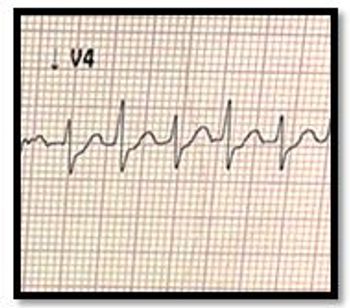
Fifty-year-old female w/ HTN, DM seen in ED for palpitations, near-syncope. Weak rapid pulse (210 bpm), BP 75/35 mmHg. What's your ECG read?


Myosis is accompanied by acute onset dizziness, double vision, and asthenia. What's in your differential diagnosis?
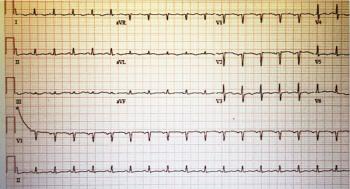
What does the office-based ECG tell you about the patient's complaint of recently worsening asthenia and dyspnea?

COPD… nasal polyps.. gout …. dyskinesia in Parkinson Disease: here’s a brief look at new drugs for these and other disorders coming your way.