
























































































































































Fear of contracting COVID-19 would keep more than half of Hispanics and Blacks experiencing heart attack/stroke symptoms from going to a hospital.
Fear of contracting COVID-19 would keep more than half of Hispanics and Blacks experiencing heart attack/stroke symptoms from going to a hospital.
Hypertension is the modifiable cardiovascular disease risk factor responsible for the greatest mortality. Test what you know about management.

Patients with hypertension are complex and pose a real challenge to primary care. Brigham and Women's cardiologist Dr Naomi Fisher offers history and highlights.

Preventive cardiology and lipid specialist Seth J. Baum, MD, answers questions about the state of preventive cardiology in the midst of COVID-19.
Try these 5 questions on patient CVD risk scenarios likely to present to primary care. Find out what you know about AHA/ACC guideline-recommended strategies.

VIDEO: Obesity is a chronic, relapsing disease that threatens to neutralize, even reverse, years of progress in reducing CVD-related death. Ted Kyle, RPh, explores.
Obesity is a primary risk factor for cardiovascular disease and can also be modified with comprehensive care. Test yourself on the AHA/ACC recommendations for that care.

Cardiothoracic surgeon Brian Lima, MD spent weeks in a large metropolitan New York City ICU treating the sickest patients with COVID-19. He shares details.

Jorge Plutzky, MD, director of the Preventive Cardiology Program at Brigham and Women's Hospital, discusses the insidious role diabetes plays in cardiovascular disease.

SGLT2 inhibitors and GLP-1 receptor agonists are changing the type 2 diabetes treatment paradigm. We summarize the most recent data here and offer guidance on patient benefits.

Home blood pressure monitoring, performed accurately, is the key to data that will guide optimal hypertension treatment. Dr Naomi Fisher talks with Patient Care.
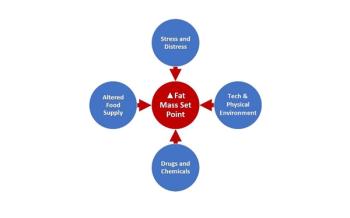
The physiology of obesity makes weight loss, by itself, unlikely to successfully treat the chronic disease of obesity. What does this mean for primary care clinical strategies?
Metabolic and bariatric surgery are deemed "elective," along with cosmetic procedures, and still widely postponed. "Resume these life-saving procedures, now," says the ASMBS.

COVID-19 patients admitted to ICU found 10 times more likely than other hospitalized COVID-19 patients to experience cardiac arrhythmias in a new study.

Incident cardiovascular disease is significantly increased among women with migraine with aura vs migraineurs without aura and those who do not have migraine.

Researchers from the University of Pennsylvania found patients who were prescribed higher dosages were more likely to refill their opioid prescriptions.
New data from the Diabetes Prevention Outcomes Study shows persistent reduction of type 2 diabetes development over 22-year average follow-up.

Taking blood pressure medication as prescribed may help even the frailest elderly patients live longer, according to a new study.

The American Diabetes Association kicks off its Virtual 80th Scientific Sessions on Friday, June 12, 2020. Here is our guide to top sessions.

Get a snapshot of the diabetes data most important to primary care from the National Diabetes Statistics Report, 2020.

THEMIS trial results showed a statistically significant reduction in risk of MACE with ticagrelor plus aspirin vs aspirin alone in patients with CAD at high risk of first heart attack or stroke.
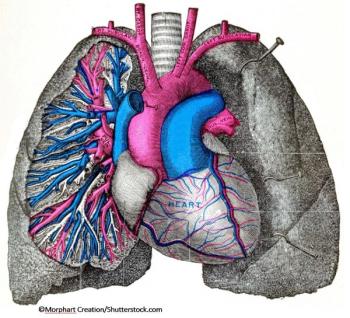
An independent association between asthma and risk of cardiovascular disease remained even after adjusting for other CVD risk factors, authors report.

Analyses showed that times to first revascularization events were significantly reduced by icosapent ethyl vs placebo across subtypes of intervention.

Authors of a new study found no association between treatment with high blood pressure drugs and an increased risk of contracting novel COVID-19.

The SGLT-2 inhibitor is the first in its class to be approved for the treatment of adults with NYHA class II, III, or IV heart failure with reduced (≤40%) ejection fraction.