













































































































































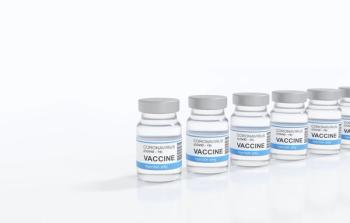
The special meeting to review cases of myocarditis in the US following COVID-19 vaccination, will now take place this Wednesday during the ACIP online meeting.
ADA 2021: Renal, CV Protection in FIDELIO-CKD Unaffected by Baseline GLP-1 RA Use
The special meeting to review cases of myocarditis in the US following COVID-19 vaccination, will now take place this Wednesday during the ACIP online meeting.

Although over 90% of adults with a history of CVD reported knowing that smoking can cause heart disease, nearly 30% reported current tobacco use in a new study.
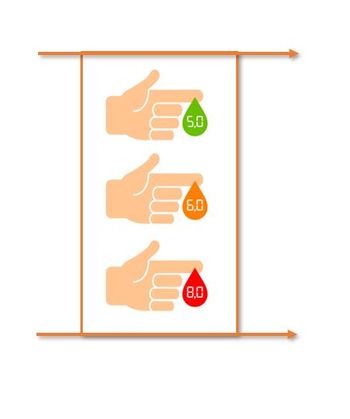
Assessment of prediabetes subphenotypes is a novel approach to better screening, prevention, and treatment for patients at risk of progression to T2D. Find out how much you know about it.

A new study challenges traditional criteria for patient selection for metabolic surgery, demonstrating significant weight loss and disease remission for those with BMI of 30-35.
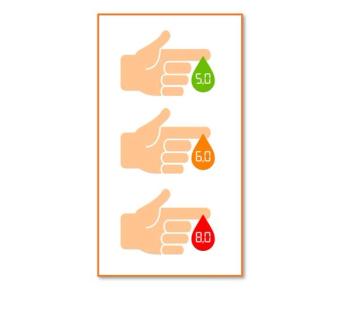
New research proposes pathophysiology-based subphenotyping of individuals at increased risk for T2D; 6 are suggested to help refine screening, prevention, and treatment.

Poll: 91% of women don’t know heart disease is the #1 cause of death in women and 81% aren’t aware that the Pap test screens only for cervical cancer. Counseling and education are needed.

Magnet technology in the iPhone 12 Pro Max that allows the device to charge wirelessly can significantly impair function of a variety of cardiac implantable electronic devices.
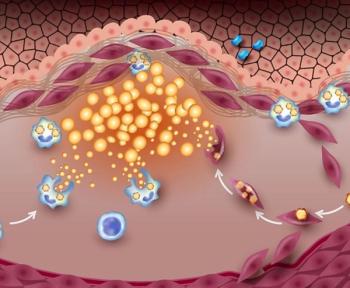
In people without diabetes and considered low risk for CVD, A1c was associated in a graded, positive fashion with subclinical atherosclerosis, even at prediabetes levels.
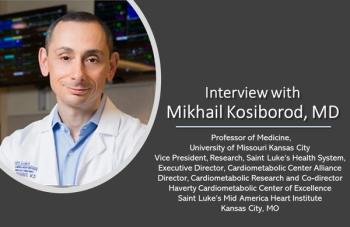
SGLT-2 inhibitor investigator Mikhail Kosiborod, MD, answers questions about patient selection for the class of drugs, now with approval to treat much more than type 2 diabetes.
The landmark Diabetes Prevention Program (DPP) trial and follow-up studies proved that risk of T2D can be reduced in patients at high risk for the disease. Do you know by how much?
Slide Show
Four major cardiology organizations stand behind increased government action to eradicate tobacco use worldwide. Click here for a summary of why, why now, and how.
Adults with OCD were more than 3 times as likely to have an ischemic stroke after age 40 than those without the disorder, according to a study published in Stroke.
Mikhail Kosiborod, MD, a lead investigator for clinical trials of SGLT2 inhibitors, traces the class history from antidiabetic agents to guideline-recommended multidisease treatments.
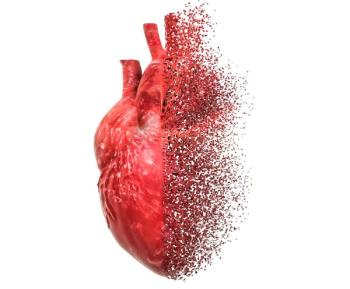
Results of this large study also suggest women with high pericardial fat volume are at greater risk for HF than men, findings that have implications for stratifying prevention and treatment.

An analysis of final data from the landmark SPRINT trial has confirmed findings that support aggressive treatment of hypertension to reduce CV morbidity and mortality.
Most patients with chronic kidney disease are treated in primary care where the primary goal is twofold: slow progression and prevent complications. Find essentials of both, here.
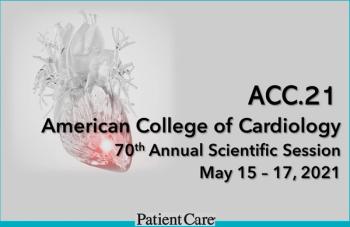
ACC.21: There was no difference found between high- and low-dose aspirin in terms of effectiveness and safety in patients with established CVD, according to new research.

New topline data from the global SURPASS-4 trial shows treatment with investigational agent tirzepatide led to superior reductions in A1c and body weight vs insulin glargine.
ACC.21: Black patients from disadvantaged neighborhoods were found almost 20% more likely to die within 5 years of MI than white patients from well-resourced ones in a new study.
ACC.21: Findings from a study released in advance of the ACC annual meeting suggest that prediabetes confers nearly twice the risk of major cardiovascular events vs normoglycemia.
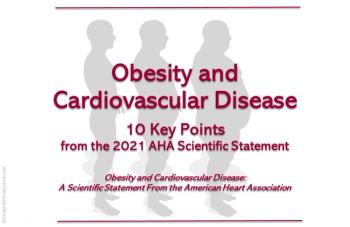
The links between obesity and cardiovascular disease are many, including direct cause and effect. Click through the 10-slide summary of a new AHA statement for a first look.
Primary care clinicians have an essential role in the diagnosis and treatment of chronic kidney disease. Click through a review of the basics.
ACC.21: High rates of obesity, hypertension, and hyperlipidemia found in Black women in their 20s and 30s are of significant concern, says the author of a study to be presented at the ACC meeting.
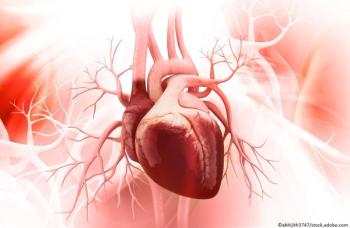
Atypical symptoms were most common among older patients with myocardial infarction, especially women, who called a non-emergency helpline for assistance, study authors found.
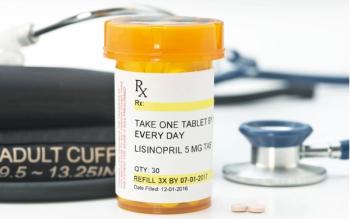
Robust analyses of urine metabolites detects poor adherence with prescribed treatment in T2D and is associated with prevalence of micro- and macrovascular complications.