




























































































































































US patients at high CV risk do not receive adequate evidence-based pharmacotherapy, according to large multisite cohort analysis.
US patients at high CV risk do not receive adequate evidence-based pharmacotherapy, according to large multisite cohort analysis.

New study showed adults who provided sleep health data and wore a research device during sleep had a 141% increased risk of cardiovascular disease.

Researchers in Taiwan found NOACs were associated with lower hazards of diabetes complications. and death than warfarin in persons with AF and DM.
Recommendations on hypertension management from the US Surgeon General's office are summarized for at-a-glance American Heart Month reading.

The 5-year cumulative relapse rate among early quitters was nearly 40% in a large international cohort of stroke patients, according to an abstract presented at ISC22.
ISC 2022
Atrial fibrillation-related ischemic stroke may be a factor in hospital deaths among over 50% of older adults, suggests new findings presented at the International Stroke Conference.
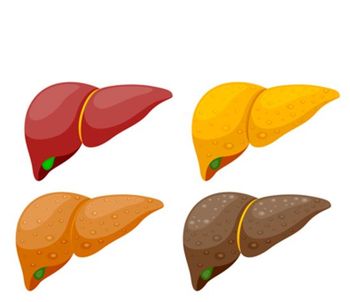
Integrating NAFLD as a diabetes complication to be addressed during routine cycles of care could reduce barriers to a NAFLD pathway in primary care, agreed focus group participants.

Type 2 diabetes patients-and their PCPs-may have trouble moving to basal + mealtime insulin from basal insulin alone. Endocrinologist Brian Levy, MD, offers insights.

The psychiatrist-author of "Coping with COVID-19: The Mental, Medical, and Social Consequences of the Pandemic," talks frankly about the pandemic's long-term impact on American health.

Hospitalization rates for men with hypertensive crisis were higher vs for women, but odds of death during hospitalization decreased for both sexes between 2004-2014.

Following AHA's Life's Simple 7 guidelines can reduce the risk of coronary heart disease despite genetic predisposition, according to new study.

In a new statement, the USPSTF determined current evidence is insufficient to recommend for or against screening for AF in older patients.

Results of a new study that used early clinical surrogate markers of metabolic disease find women at greater risk related to suboptimal sleep.

Coronary heart disease prevalence in the US between 2011 and 2018 saw a statistically insignificant change, from 6.2% to 6.0%, respectively.

Available therapies combined with new approaches that address social determinants of health and other barriers to care can help, suggests new statement.

WATCH: The FDA approval of semaglutide 2.4 mg for adults with obesity was "by far the big event in 2021," said Donna Ryan, MD. More from our look back/look ahead interview, here.

A Mayo Clinic study found certain cardiovascular conditions and risk factors are more strongly associated with cognitive decline in middle-aged women than men.

The ADA's annual update to its comprehensive evidence-based standards includes new guidance on diabetes screening, first-line therapies, and comorbid NAFLD/NASH.

Finerenone, the nonsteroidal mineralocorticoid receptor antagonist, significantly reduced new-onset HF and improved other HF outcomes in the FIGARO-DKD trial.

When is aspirin appropriate in primary ASCVD prevention? Should ezetimibe be added to maximal statin therapy in T2D? This quiz tests your guideline savvy.

In a new retrospective analysis, including smoking history in the 2013 ACC/AHA pooled cohort equations significantly improved ASCVD risk prediction.

New research presented at EuroEcho 2021 may help explain why some patients with long COVID-19 experience persistent dyspnea even 1 year after recovery.
AHA Scientific Sessions 2021 recap, tests of clinical knowledge, expert interviews, and more in this roundup from Patient Care Online.
Get a quick look at 12 of the many FDA-approved drugs in 2021 for conditions commonly seen in primary care.

The Guideline Toplines slide-show feature offers busy primary care physicians at-a-glance summaries of new and updated clinical guidelines across therapeutic areas.