



















































































































































Approximately one-third of CV-related ED visits are for hypertension-related conditions, including 13% for essential hypertension among women.
SGLT2 Inhibitors May be "Optimal" Treatment for HFpEF, HFmrEF, a New Meta-analysis Suggests
ADA, EASD Release Update on Management of Hyperglycemia in Type 2 Diabetes
Approximately one-third of CV-related ED visits are for hypertension-related conditions, including 13% for essential hypertension among women.

An aspirin deprescribing intervention at anticoagulation clinics led to a 50% reduction in use among patients with AF, VTE prescribed warfarin.
Data from the pivotal phase 3 FIGARO-DKD cardiovascular outcomes trial with finerenone reaffirms the agent's dual cardiorenal risk reduction benefits in T2D-associated CKD.
In patients with type 2 diabetes, for every standard deviation increase in cumulative SBP load there was an increase of at least 10% in CV risk, a new study found.
AHA Hypertension 2022: New research showed that hypertension medication adherence was nearly 76% in large urban areas and increased as population density decreased.
A 5-fold greater risk for all-cause or CVD-related death in persons diagnosed with T2D before age 40 years should be a call to action for enhanced screening, study authors state.

Physical performance scores used as a proxy for function in adults aged >65 years improved CVD risk prediction beyond traditional risk factors, study authors report.
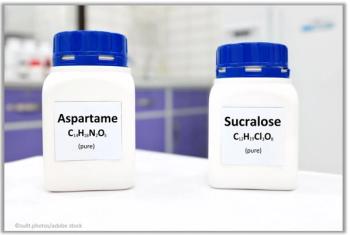
Artificial sweeteners should not be considered a healthy and safe alternative to sugar, caution French investigators.
Abelacimab is a dual-acting, fully human monoclonal antibody that selectively targets both factor XI and factor XIa with high affinity.
Reducing blood pressure to 140/90 mm Hg or 130/80 mm Hg in high-risk patients proved either cost-saving or cost-effective at 10 years in a simulation study.

AHA Hypertension 2022: Adoption of the DASH diet was found to prevent an estimated 16 000 CVD events among men and 11 000 among women with untreated stage 1 HTN.

AHA Hypertension 2022
AHA Hypertension 2022. Half of patients with newly elevated BP had white coat HTN yet some were diagnosed with HTN at next primary care visit, new study finds.
ESC 2022: SARS-CoV-2 mRNA vaccines were not associated with an increased risk of worsening heart failure, venous thromboembolism, or myocarditis in a large Danish real-world study.
Regardless of where individuals live, they may benefit from blood pressure control programs that increase access to primary health care, study authors suggest.
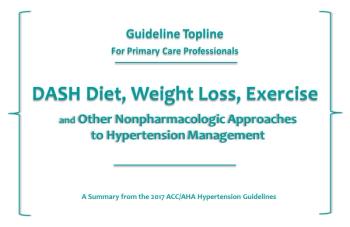
Find out how effective these 3 and 5 additional ACC/AHA-recommended non-drug interventions are at reducing BP (in mm Hg) in adults with hypertension and with normal BP.
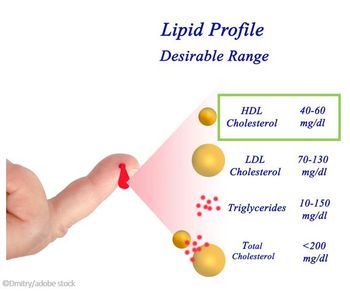
In patients with hypertension, HDL-C >80 mg/dL was linked to a greater risk for CV events among men but not among women. Protective?

Taking a 3-drug polypill (aspirin, ACEi, statin) vs each of the drugs separately reduced risk for a major CV event by 33%, according to results of the SECURE trial.
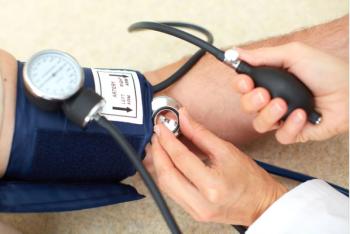
Blood pressure-lowering therapy reduced the risk of major CV events in persons with and without type 2 diabetes, according to an individual participant-level data meta-analysis.
These 8 drivers of BP control reflect study of high-performing health systems and the strategies that have led to successful large scale hypertension management.
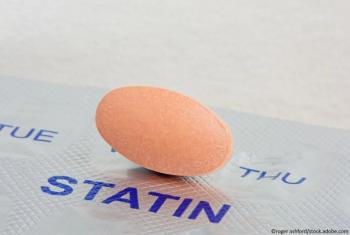
The recommendations guide initiation of statin therapy in persons aged ≥40 years without a history of CVD and no current signs/symptoms of CVD.

Blood pressure reduction of approximately 11 mm Hg was seen at 6 months regardless of device used, suggesting patients can keep SMBP simple.

Meta-analysis authors say the significant preventive effects of replacing use of salt with salt substitutes have important worldwide public health implications.
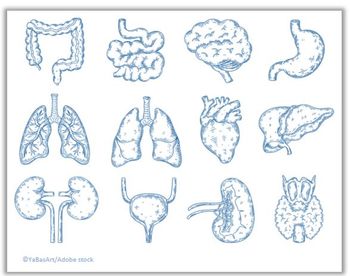
Analysis of 224 000 type 2 diabetes patients over 2 decades suggests the need for "revised care pathways" that better reflect the myriad causes of persistent morbidity.
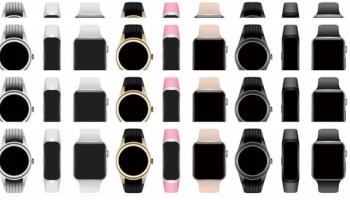
Screening for atrial fibrillation with 6 wrist-worn wearable devices proved more cost effective than no screening and had greater relative benefit than using traditional modalities.

Use of wearable activity trackers increased daily time spent walking by 40 minutes and was linked to a 2-lb weight loss across age groups and populations.