




























































































































































The GLP-1 RA given once weekly to T2D patients with hyperglycemia not controlled by diet and exercise lowered HbA1c to ≤6.5% in approximately half the study population.
The GLP-1 RA given once weekly to T2D patients with hyperglycemia not controlled by diet and exercise lowered HbA1c to ≤6.5% in approximately half the study population.
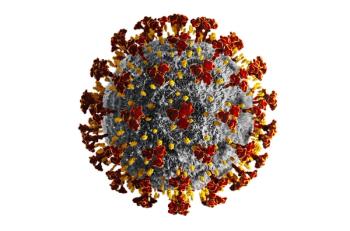
Type 1 diabetes diagnoses increased by 81% during the 4-week acute phase of COVID-19 in UK patients and CVD diagnoses rose 6-fold, according to a large population-based study.
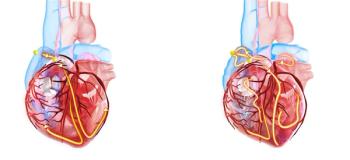
Early rhythm control reduced CV complications regardless of AF pattern but for patients with a first AF diagnosis, risks for hospitalization and ACS were higher after early rhythm therapy.

Patients with HFpEF who significantly restrict salt consumption have increased risk for cardiovascular and HF events and HF hospitalization, according to new research.
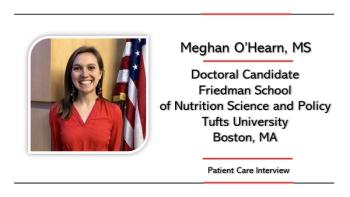
Social determinants of health, including education and income level and race/ethnicity, are drivers of declining cardiometabolic health in the US, says investigator Meghan O'Hearn.

A new study compared the differential effects of agents used to treat hypertension on the risk for dementia in patients with hypertension and mild cognitive impairment.
Americans sitting on the cusp of cardiometabolic disease, ie, with prediabetes, prehypertension, overweight but not obesity, need intervention, now.
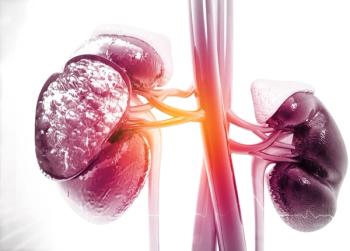
Chronic kidney disease is underdiagnosed and undertreated across major Western countries, according to findings of the new CaReMe CKD study.

The cloud-based machine learning algorithm allows the stethoscope to identify and differentiate between innocent and structural murmurs that may signal valve disease.
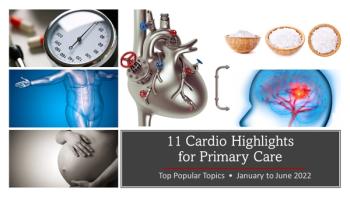
These 11 studies of cardiovascular and metabolic disease prevention, assessment, and treatment were top trending topics on Patient Care in the first half of 2022.
US prevalence of optimal cardiometabolic health has declined as poor levels have risen significantly over 2 decades. Investigator Meghan O'Hearn, MS, details the research.

Adding salt regularly to food after cooking/preparation may increase risk of premature death by up to 28% and reduce life expectancy by an average of 2 years.

Called SMART WARS, a new study assessed diagnostic utility of the 2 wearable devices in older adults and considered combined device/clinician interpretation of ECG readings.

From type 2 diabetes to chronic yeast infection, we have picked the top 7 FDA-approved drugs every primary care physician should know about from the second quarter.
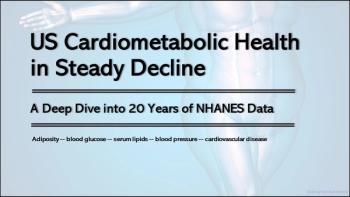
Less than 7% of the US population has "optimal" cardiometabolic health, with declines over 20 years significantly affecting racial/ethnic populations.

Drs Mikhail Kosiborod and Neil Skolnik discuss this unique moment in the history of T2D management that offers treatments to address its broad cardiometabolic impact.

Three-quarters of stroke patients in a Swiss registry had at least 1 undiagnosed risk factor at the time of the event, most commonly hyperlipidemia or hypertension.
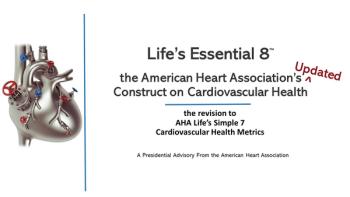
Slide Show: The AHA added sleep duration to its Life's Simple 7 cardiovascular health construct and updated sections on diet, lipids, blood glucose and smoking.
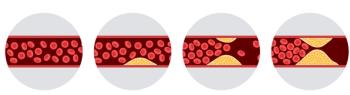
Statin-treated patients at high atherosclerotic risk experienced significantly slower progression of arterial stiffness vs those not taking statins in a cohort of more than 5000 patients.

Change in HbA1c as a guide for T2D treatment intensification is steadily yielding to presence of/risk for comorbidities as pluripotent agents win guideline favor, observes a VA clinical investigator.

The FDA ban yesterday on Juul vaping devices and nicotine e-liquid pods drew praise from the American Medical Association, American Thoracic Society, American Lung Association, among others.
Elements of proper blood pressure measurement technique may seem picayune, but skipping them may cost you - here's how much.

Exercise began as foraging for survival for our hunter/gatherer forbears and is no less essential in our contemporary age of sitting and screen time. Take a quick trip through history.

How prevalent is NAFLD worldwide? What is the preferred treatment? And more questions to test your NAFLD knowledge.

A new study found patients with T1D and T2D had a greater risk for stenotic lesions, whereas risk for valvular regurgitation was lower in those with T2D.