











































































































































The in-person requirement for mifepristone dispensing was removed from the drug's REMS, potentially expanding access to women in need in a precarious environment.
The in-person requirement for mifepristone dispensing was removed from the drug's REMS, potentially expanding access to women in need in a precarious environment.

Find a compact sampling of 2022 research on type 2 diabetes and its treatment reviewed on Patient Care, chosen by the editorial staff.

About one-quarter of children with T2D are not obese, according to a meta-analysis, making comprehensive screening essential in the population.

The Dexcom G7 continuous glucose monitoring system provides an overall MARD of 8.2%, the highest of any FDA-cleared CGM, the company says.
Empagliflozin is the first SGLT-2 inhibitor to demonstrate a statistically significant reduction in HbA1c in children and adolescents with type 2 diabetes.

Findings from a new study suggest that supplementing standard care for obesity with butyrate helped reduce BMI, improve glucose metabolism, and reduce inflammation markers.

An obesity specialist explains why clinicians should start at the root cause when managing patients with type 2 diabetes and obesity.

The "Plan B" emergency contraceptive at 2 times the normal dose was not more effective in study participants with BMI >30.
Teplizumab, an anti-CD3 monoclonal antibody, delayed the median onset of stage 3 T1D by approximately 2 years compared to placebo in a pivotal clinical trial.
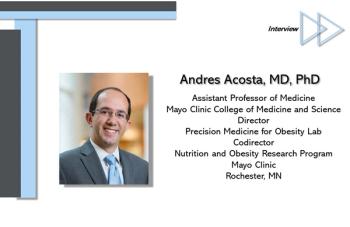
Ordering an obesity phenotype should be as simple and routine as ordering an HbA1c or a lipid panel, says obesity expert Andres Acosta, MD, PhD.
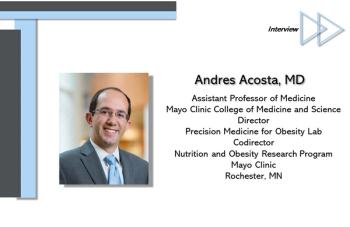
Mayo Clinic's Andres Acosta, MD, PhD, details the 4 biologic obesity phenotypes his team has identified and how their use can change weight loss outcomes.

Use of GLP-1 mimetics and SGLT-2 inhibitors for cardiorenal protection in T2D patients is backed by robust clinical trial evidence, says AACE President Sethu Reddy, MD.
AACE president Dr Sethu Reddy highlights evidence-based updates, including selection of diabetes medication based on comorbidities and new agents to treat DKD and elevated lipids.
Semaglutide yields "amazing" weight loss in adolescents, phenotype-tailored lifestyle approach leads to greater weight loss vs standard methods, and more.

In the SOLOIST-WHF trial, risk for HF readmission and CV death were reduced by more than 50% at 30- and 90-days after hospital discharge.
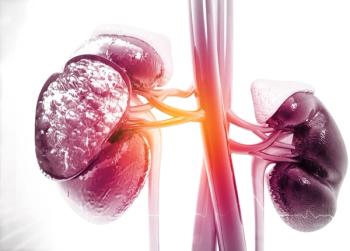
Empagliflozin achieved a decrease in risk of kidney disease progression of 28% vs placebo in the most diverse population of patients in an SGLT-2 inhibitor trial.
Reddy talks about the value of A1c vs results of an OGTT for T2D diagnosis, about glycemic targets and patient safety, hyperglycemia during pregnancy, and more in our interview.

ObesityWeek® 2022
ObesityWeek® 2022. Primary care clinicians report providing on average just 70% of a wide range of clinical weight management services, according to a new survey.
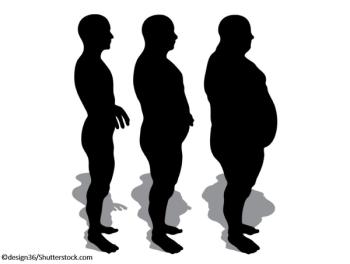
ObesityWeek® 2022
ObesityWeek® 2022. Coagonism of the glucagon and GLP-1 receptors appears to result in greater weight loss than GLP-1 receptor agonism alone, study suggests.
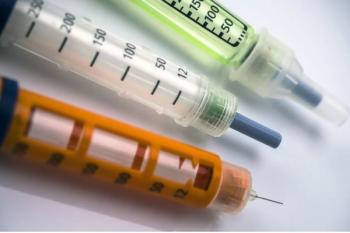
ObesityWeek 2022: Tirzepatide-induced weight reduction was associated with body composition improvements in adults with obesity/overweight, found analysis of SURMOUNT-1.

Your daily dose of clinical news you may have missed.

In patients with prediabetes and untreated type 2 diabetes, a reduced carbohydrate diet improved HbA1c and other metabolic markers vs a usual diet.
Your daily dose of clinical news you may have missed.
Your daily dose of clinical news from Patient Care Online.

CMHC 2022: A decrease in vitamin D levels is associated with increased cardiovascular risk in patients with type 2 diabetes, according to new study.