












































































































































A family physician and obesity medicine physician talks about chronic pain in patients with obesity.
A family physician and obesity medicine physician talks about chronic pain in patients with obesity.

Your daily dose of clinical news you may have missed.

Researchers found sex-specific brain signals that appear to confirm that different drivers lead men and women to develop obesity.
A new study examines the legacy effects of weight loss on cardiometabolic disease risk factors, finding benefits persist up to 5 years, despite weight regain.
From highest percentage of adults with obesity to lowest percentage of adults with hypertension, see how obesity hits home in our new slideshow.

Authors of new study say results underscore need for effective strategies to optimize metabolic status and prevent obesity-related complications among persons with obesity.
Your daily dose of clinical news you may have missed.

Youth at the upper range of normal weight had a 26% higher risk of developing hypertension than those in the lower range of normal weight, according to a new study.
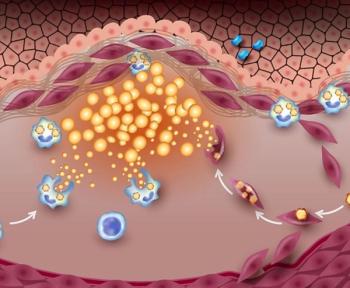
ACC2023. Risk for MACE was nearly 7-fold higher in participants on a keto diet whose LDL-C was already high compared with those on a standard diet with LDL-C in a normal range.

ACC 2023. Results from a 2-decade study showed that all-cause mortality rates were significantly higher in patients with obesity with uncontrolled HTN compared to those without HTN.
Three tips on how to support patients on their weight management journey this year.
Your daily dose of clinical news you may have missed.
The proportion of adults with diabetes and obesity in the US increased from 1999 to 2020, though more adults achieved blood pressure and lipid control during the same period.
The 6 obesity care organizations are collaborating to overcome the roadblocks to effective and equitable treatment for the ubiquitous, chronic, and deadly disease.
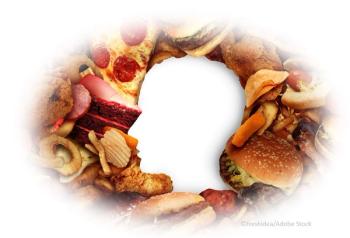
Intense craving for highly processed foods was so strong at least once a week for 24% of poll respondents that they couldn’t think of anything else.
Your daily dose of clinical news you may have missed.
Your daily dose of clinical news you may have missed.
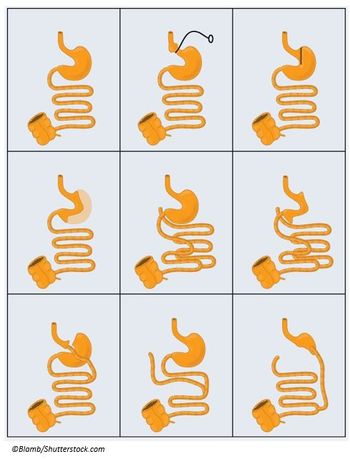
A pivotal study with 40-year follow-up of post-bariatric surgery patients reinforces long-term benefits of the procedures on all-cause and cause-specific mortality.

Results from longitudinal prospective cohort study underscore the importance of monitoring patients’ weight throughout adulthood to reduce the risk of frailty.
Your daily dose of clinical news you may have missed.

Sustained weight loss with semaglutide 2.4 mg is a result of the drug's effects on control of eating, including reduced cravings and hunger and increased satiety, study authors write.

An overall good quality of diet and higher fish intake during pregnancy were related to better language skills in 2-year-old children, according to new study.
From highest percentage of children with obesity to lowest percentage of adults with high cholesterol, see how obesity hits home in our new slideshow.
Your daily dose of clinical news you may have missed.
The 13 Key Action Steps in the AAP's landmark obesity guidelines reflect more than a decade of research on evaluation and treatment of the disease in children and adolescents.