


























































































































































The majority of headaches are designated as primary (tension-type, migraine) for which imaging provides no benefit for either diagnosis or treatment.

The majority of headaches are designated as primary (tension-type, migraine) for which imaging provides no benefit for either diagnosis or treatment.

Chronic pain management in the elderly is complex. Safe and effective use of analgesic medications in geriatric patients requires risk-benefit analysis.

Anxiety is even more common than depression among people who have arthritis, a new study has shown. Here to discuss the implications for diagnosis and treatment is Eilzabeth Lin MD, a family medicine physician who is a longstanding researcher in the field of depression and pain.

Given that pain following surgery is predictable, one might assume we know a lot about optimal analgesia and management. A meta-analysis of Cochrane Reviews, however, reveals that we still have a lot to learn. Read more, here.
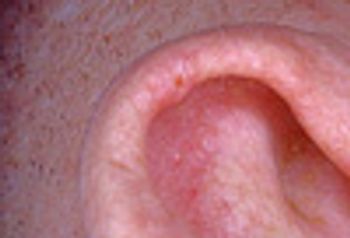
A 40-year-old man complains about a severely painful bump on his ear. He has trouble sleeping on that side due to the pain that occurs when he lays his head (and ear) down on the pillow. What is his condition?

There is no doubt that because the number of cases of diabetes is rapidly growing in this country, so is the number of patients with diabetic neuropathic pain. Thus any new recommendations for improving treatment of DNP are welcome. However. . .

Antidepressants are often referred to as “adjuvant analgesics.” Although the name suggests that these agents don’t provide direct pain relief in the same way as opioids or NSAIDs, it is well established that antidepressants provide excellent analgesia for many pain conditions.
We have long known that many adolescents have chronic pain. A new study highlights just how widespread it is-and the significant impact it can have.

Pain is a subjective complaint. We can’t measure it as we can, for example, hematocrit, blood pressure, or blood glucose. If a patient doesn’t complain of pain, we generally assume that he or she isn’t experiencing it. But what about patients who have pain but who are physically or mentally unable to tell anyone about it?
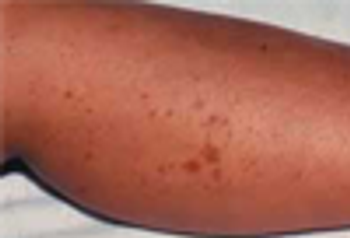
For the past 2 weeks, this 46-year-old woman had had malaise, myalgia, and hand and elbow arthralgia. Twelve hours before she was hospitalized, red spots started to appear on her shins and thighs. Soon afterward, her left ankle became increasingly painful, tender, and warm.
A variety of effective treatments are available for diabetic peripheral neuropathic pain (DPNP), including topical agents, oral medications, and nondrug approaches. The lidocaine patch 5% is recommended for relatively localized pain.
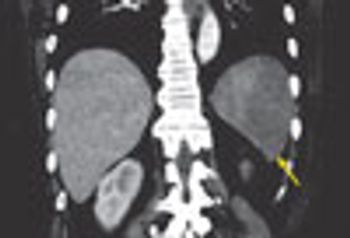
A 53-year-old woman presented with sudden onset of left upper quadrant abdominal pain. She had a history of atrial fibrillation, hypertension, and congestive heart failure.
Chronic fatigue syndrome (CFS) is a distinct disorder characterized by debilitating and often recurrent fatigue that lasts at least 6 months but more frequently lasts for longer periods. Patients with CFS experience overall physical, social, and mental impairments and may subsequently qualify for medical disability.
That's the question we put to Dr. Leigh Callahan, and in the next 10 minutes, she will address this important issue. Dr. Callahan has over 20 years of experience in arthritis and health outcomes research, and she was an arthritis epidemiologist at the CDC.
Here, a simple option to help relieve a painful symptom.
The diagnosis of many serious infectious diseases relies heavily on clinical suspicion, particularly in the early stages of the illness. In this 3-part series, we provide useful clues to the triage and diagnosis of these diseases. Here we discuss staphylococcal toxic shock syndrome (TSS) and streptococcal TSS.
Will you recognize these potentially life-threatening infections when you see them? Inside: clues to early diagnosis.
How to determine whether opioids are appropriate, what to do about breakthrough pain, and how frequently to monitor.
I enjoyed Dr D. Brady Pregerson's Practical Pointer, "Heat Therapy 'On the Go'".
Dr Schneider addresses myths and misunderstandings about the long-term use of opioids to treat noncancer pain.
Prevent disruptive movements when administering a digital block.
Children with lacerations that require suturing are typically afraid and uncooperative. The pain of a local lidocaine injection will increase their fear and lack of cooperation.
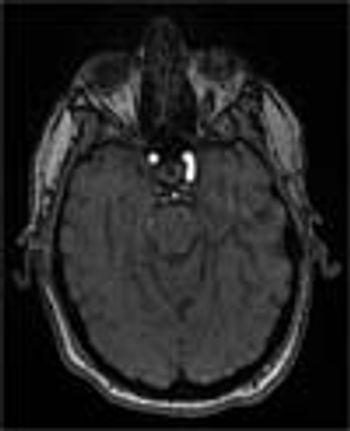
A 43-year-old white man presented to the emergency department with dyspnea, abdominal bloating, fever with chills, night sweats, decreased oral intake, and myalgia of 1 week's duration. He was found to have heart failure caused by systolic dysfunction. Viral myocarditis was the presumptive diagnosis after investigation for other causes.
Tell patients that cotton swabs dipped in water and frozen in individual plastic bags provide quick relief for a burned tongue or lip or a tooth that is almost out.
A 68-year-old woman complains of diffuse, severe myalgia. She reports stiffness, heaviness, and cramping, which are most marked in her thighs and calves. The heaviness and discomfort result in a sensation of weakness as well.