
Get the latest data on confirmed cases, recoveries, and more with our daily COVID-19 update.
Get the latest data on confirmed cases, recoveries, and more with our daily COVID-19 update.

Antiviral remdesivir donated by Gilead Sciences is being shipped to areas in the US hardest hit by COVID-19.

The 2 new guidance documents provide sponsors with clear direction on data required for IND application and on the structure of phase 2 and 3 clinical trials.
NIH Tuesday released updates to its COVID-19 treatment guidelines including guidance on antithrombotic treatment and remdesivir clinical trial results.
The latest COVID-19 data on confirmed cases, recoveries, and more from the Johns Hopkins COVID-19 interactive map.
How many cases of COVID-19 have been confirmed globally and nationally? How many recoveries? Get your daily COVID-19 update here.
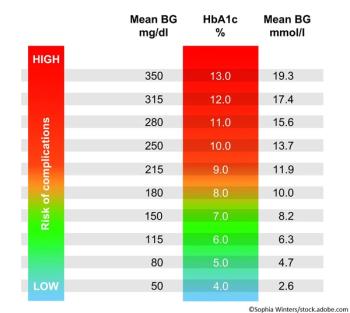
Poorly controlled blood glucose in patients with diabetes hospitalized for COVID-19 significantly reduces odds of survival.

The FDA issued the first EUA for a new category of tests to be used in the ongoing COVID-19 pandemic.
How many cases of COVID-19 have been confirmed globally and nationally? How many recoveries? Get your daily COVID-19 update here.
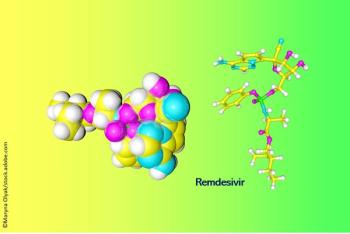
A NIH clinical trial begins today that will compare antiviral remdesivir alone to remdesivir plus anti-inflammatory baricitinib in patients critically ill with COVID-19.

Authors of a new study found no association between treatment with high blood pressure drugs and an increased risk of contracting novel COVID-19.

Americans are stocking up on prescriptions, wearing masks when they go out, are afraid for their mental health, and some will refuse a COVID-19 vaccine.
Get the latest data on confirmed cases, recoveries, and more with our daily COVID-19 update.
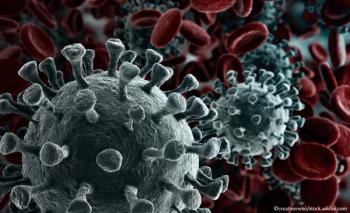
Anticoagulation was associated with increased survival time and bleeding events were similar between treated and non-treated patients.
Get the latest data on confirmed cases, recoveries, and more with our daily COVID-19 update.

Researchers recently launched CHASING COVID, the only national cohort study focused on the COVID-19 pandemic.
The FDA issued an emergency use authorization to Gilead Sciences, Inc, for remdesivir for the treatment of suspected or laboratory-confirmed COVID-19.

Medicare and Medicaid will now cover many more services provided via telehealth, particularly by audio-only telephone.
Get the latest data on confirmed cases, recoveries, and more with our daily COVID-19 update.
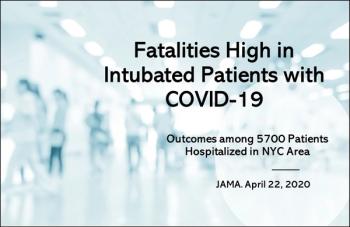
Study: Nearly 90% of inpatients with COVID-19 on mechanical ventilation died; obesity, diabetes, hypertension common among the 5700 patients.