
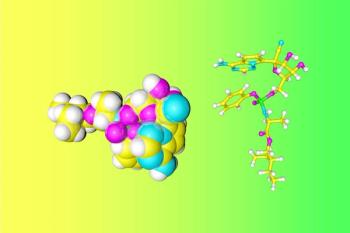
Roche announced the start of the REMDACTA study to evaluate tocilizumab plus remdesivir in hospitalized patients with severe COVID-19 pneumonia.
Roche announced the start of the REMDACTA study to evaluate tocilizumab plus remdesivir in hospitalized patients with severe COVID-19 pneumonia.
The latest COVID-19 data on confirmed cases, recoveries, and more from the Johns Hopkins COVID-19 interactive map.
There are now >100 000 COVID-19-related deaths in the US. Plus more data from the Johns Hopkins COVID-19 interactive map you should know about today.
The latest COVID-19 data on confirmed cases, recoveries, and more from the Johns Hopkins COVID-19 interactive map.
Johns Hopkins researchers received a grant to use machine learning to detect COVID-19 patients who are at risk of adverse cardiac events.
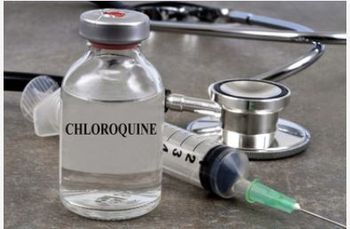
Hydroxychloroquine and chloroquine were associated with increased risk of death among more than 96 000 patients hospitalized with COVID-19.
The first standalone at-home sample collection kit received FDA approval, new research shows children are not spared from COVID-19 risk, and 4 more snapshots of key pandemic coverage from May.
University of Oxford researchers will recruit more than 10 000 participants and evaluate groups of young and elderly to evaluate immune response across the lifespan.
The latest COVID-19 data on confirmed cases, recoveries, and more from the Johns Hopkins COVID-19 interactive map.
Early data released by the drug maker Moderna showed that their candidate vaccine for COVID-19 generates an immune response like the response seen in COVID-19 survivors.
The latest COVID-19 data on confirmed cases, recoveries, and more from the Johns Hopkins COVID-19 interactive map.
As neurologic findings among patients with COVID-19 emerge, comparison to sequelae seen with other coronaviruses is instructive.
The latest COVID-19 data on confirmed cases, recoveries, and more from the Johns Hopkins COVID-19 interactive map.
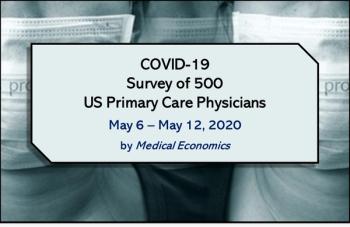
The most recent responses from primary care physicians to the hard questions about patients and practice (Survey May 6-12, 2020).
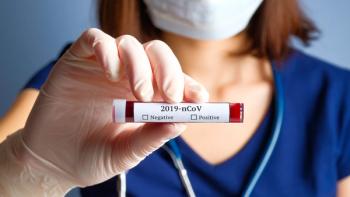
The Everlywell COVID-19 Test Home Collection Kit is the only authorized at-home sample collection kit for use with multiple authorized diagnostic tests.
The orally administered antiviral agent will enter phase II trials to be conducted at multiple US locations, including 3 Mayo Clinic sites.
The latest COVID-19 data on confirmed cases, recoveries, and more from the Johns Hopkins COVID-19 interactive map.
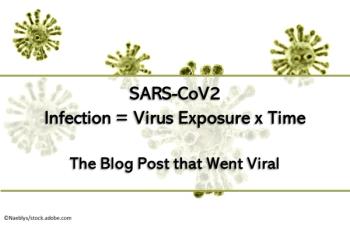
A blog post on COVID-19 transmission by a US biology professor at UMass Dartmouth went viral this week. Find out what your patients are reading and test yourself, too.
Get the latest data on confirmed cases, recoveries, and more with our daily COVID-19 update.
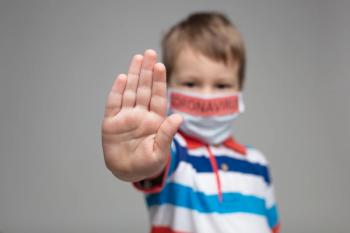
New research suggests children and young adults are at greater risk for severe complications from COVID-19 than previously thought.