

Help young patients with migraine (and their parents) get and stay prepared for the shift from home to college with this migraine survival kit checklist.
Help young patients with migraine (and their parents) get and stay prepared for the shift from home to college with this migraine survival kit checklist.

Having a PCP is linked to higher rates of screening colonoscopy and improved overall survival. Review these 12 facts about CRC and share them with your patients.

Breast cancer will claim the lives of more than 42 000 women in 2024. The primary care clinician's role as advocate for screening mammography can not be overemphasized.
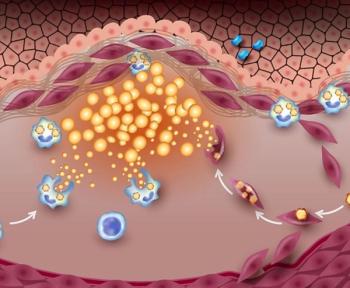
The use of visual imaging to detect atherosclerosis at its earliest stages and to quantify the burden enhances predictive value of traditional risk assessment tools.
The surge in pertussis is likely a result of a return to pre-pandemic infection patterns coupled with waning immunity from previous vaccination, CDC says.

A 14% increase in the rates of primary care safety planning within 2 weeks of a negative screening was associated 25% drop in the rate of attempted suicides.
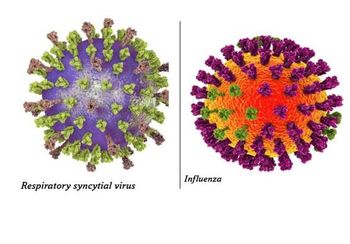
Older adults hospitalized with RSV were older, more frail, and more likely to have respiratory comorbidities than those with influenza A or B, the study found.

Telehealth offers convenience, saves time, and offers other benefits over office visits, but many people don't even know it's available to them, a new survey found.

Surya Bhatt, MD, MSPH, is coprincipal investigator for the 2 pivotal phase 3 clinical trials that supported today's landmark FDA approval of dupilumab for COPD.

Dupilumab represents the first new treatment approach for uncontrolled COPD in more than a decade and reduced disease exacerbations by 34% in clinical trials.

Triptan medications outperformed newer classes of oral migraine drugs, ie, gepants and ditans, on standard measures of efficacy for acute treatment.

The decline in cancer diagnoses during the COVID-19 shutdown in 2020 did not lead to an expected compensatory increase in diagnoses in 2021, according to NCI researchers.

Among adolescents and adults with moderate-to-severe AD, more than 80% achieved sustained disease control, the majority not requiring topical or systemic rescue medication.

The risk of gestational diabetes was 2-fold greater among young women with prediabetes before conceiving compared with those who had normoglycemia.

Delgocitinib specifically inhibits activation of JAK-STAT signaling in chronic hand eczema and would be an option for people unable to use topical corticosteroids.

COVID-19 vaccine myths of many types remain potent enough to raise public health experts' concerns about Americans' willingness to roll up sleeves this year.

The AI-based point-of-care device outperformed clinician standard of care for sensitivity (90% vs 40%) and had a negative predictive value of 98.9%

Erenumab 140 mg safely and effectively induced remission in nonopioid MOH within 6 months in individuals for whom other preventive medications had failed.

The only CGM system cleared for 1 year of use in type 1 and 2 diabetes is expected to be available in the fourth quarter of this year, the manufacturers said.
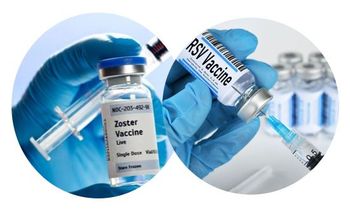
Immune responses for both vaccines were noninferior when given at the same visit compared with separate administration among adults aged 50 years and older.

AI is welcomed by US adults for streamlining the administrative complexity of getting medical care but not so much for replacing health care professionals themselves.

Those least likely to schedule further screening mammograms had received a false-positive with recommendation for follow-up after only a short interval.

Presented at ESMO, the findings reflect “a highly discriminate blood-based panel of methylated DNA markers” as well as a robust new marker class for identifying patients with precancerous lesions.
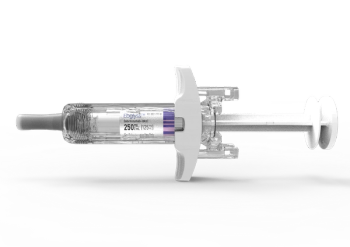
Among those treated with lebrikizumab, more than one-third saw clear/almost clear skin at week 16; three-quarters of them maintained results at week 52 with monthly dosing.

Individuals with migraine who failed to respond to up to 4 previous migraine preventive treatments saw fewer monthly migraine and headache days after 1 infusion of Lu AG90222.
The approval makes dupilumab available to treat uncontrolled CRSwNP in adolescents aged 12 to 17 years, expanding on the current approved range of 18 years and older.

Unawareness was highest among the youngest adults, aged 18 to 44 years, an age range where CV health should be optimized to avoid later morbidity, researchers wrote.

The term "flare" is used consistently in discussions of AD, but is everyone talking about the same thing? New research closes in on a patient-centered definition.

The GSK reformulation induced acceptable immune responses for both influenza A and B strains, overcoming a setback earlier in the ability to successfully neutralize the latter.

The needle-free nasal spray, if approved, would be the first new administration method for epinephrine in young children in 35 years.