

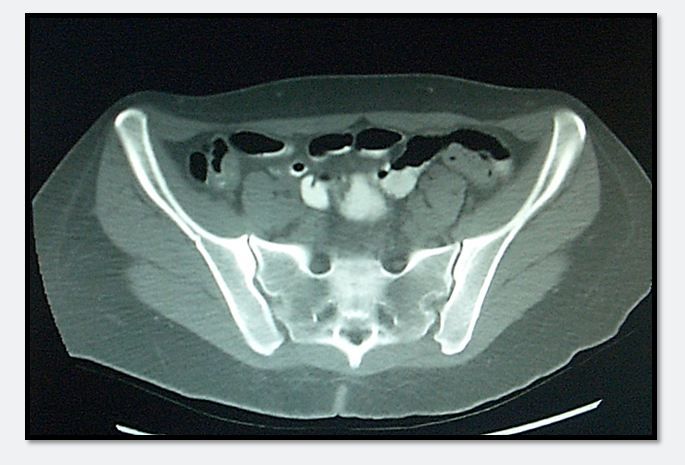




















































































































































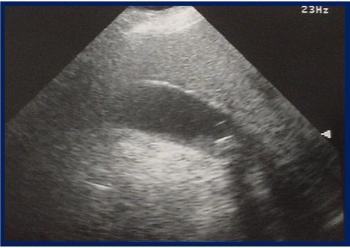
What do the symptoms and ultrasound image associated with the patient's pain suggest? Would you discharge her to home?

What do the symptoms and ultrasound image associated with the patient's pain suggest? Would you discharge her to home?

Many digestive diseases are complex and present a diagnostic and treatment challenge. Take this quick quiz to test your knowledge.

Check this brief slideshow for highlights of recently reported hot topics in GI research.

"Keep calm and carry on" suggests a thoughtful gastroenterologist whose patients continue to ask for reassurance.
What 2 interventions do you think were found the most effective in a recent comprehensive meta-analysis?
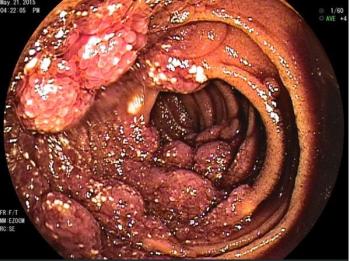
Patient was hemoccult positive with anemia but colonoscopy and EGD were negative. What test would you order next?
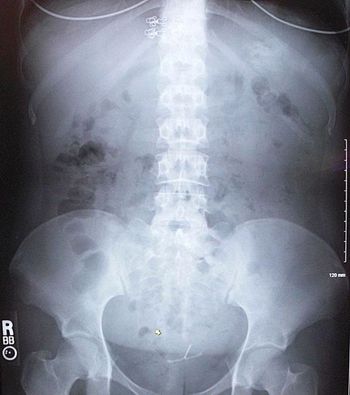
The 26-year-old patient has a history of type 1 diabetes; no other prior medical or surgical history. Antiemetics have failed. Can you Dx?
When should you test for Helicobacter pylori? For what conditions is H pylori a risk factor? And one more question, here.
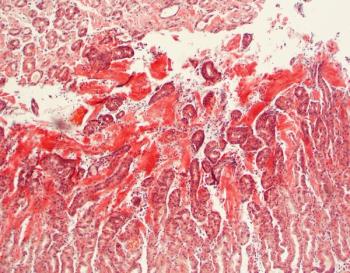
The authors present a case of AL amyloidosis with rare GI involvement and an equally rare presenting symptom.
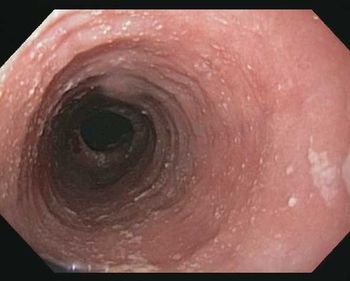
Our short case-study quiz will test your recall of current standard of care for EoE.
During the course of pain management with opioids, the line between relief and complications may be thin. At ACG 2015, the problems and solutions were covered.
Nearly 1/3 of C. difficile cases are community-acquired, placing the infection squarely in the sights of primary care physicians. A review from ACG 2015, here.
At least one-fifth of patients with abdominal pain may present in atypical fashion. A session at ACG 2015 stressed how essential it is to keep a broad differential.

From ACG 2015: Managing these complex patients requires a multidisciplinary approach--something like cardiogastroenterology.

An update for primary care from ACG 2015 on the evolving recipe for the "ideal prep.”
Results of a first-of-its-kind study announced at ACG 2015 compare the results of 2 common approaches to stop rebleeding after endoscopic intervention.
Sometimes called "asthma of the esophagus," EoE requires early detection for optimal management. This 2015 ACG presentation reviews Dx and Rx for primary care.

ACG 2015: Your patient with stubborn GERD may be a candidate for a new surgical approach, but before you refer to a specialist, check all the basics again.
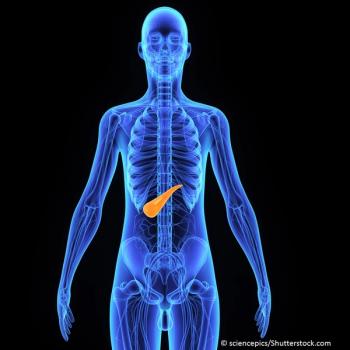
A presentation on individualized treatment of pancreatic disease based on specific disease etiology offered a glimpse of the future at the 2015 American College of Gastroenterology Scientific Session on Sunday, October 18, 2015.

If hepatology is your strong suit, you should do well on this short quiz.

Authors of a new study used data mining techniques to examine the risk associated with PPI use outside of high-risk cohorts.

Proposed mechanisms for the association include PPI-induced acute pH dysregulation and alteration of the gut microbiome.

Questions about this common problem abound in primary care. Stop here for some basic answers.