

























































































































































Expert discussion on how vaccine education continues to play a significant role in immunization uptake and improving health equity.
Expert discussion on how vaccine education continues to play a significant role in immunization uptake and improving health equity.
Doctors warn recent vaccine policy shifts may leave infants and underserved kids unprotected, raising RSV and measles risks and widening disparities.
Experts discuss the potential unintended consequences of less children getting immunized if the current trends continue.
Experts discuss the potential unintended consequences of less children getting immunized if the current trends continue.
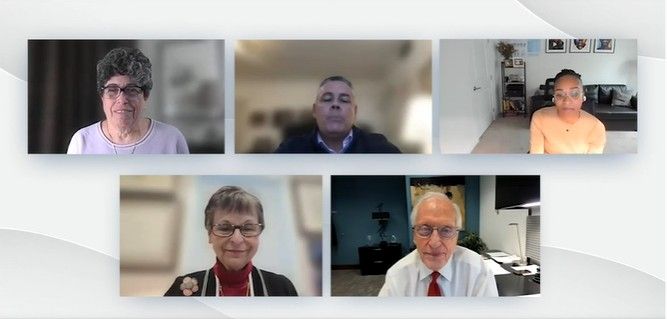
In this episode of our roundtable discussion, four experts talk about the changes to the CDC’s ACIP meetings.
Experts review recent updates to the US childhood immunization schedule, including RSV prevention, hepatitis B birth dose changes, and expanded shared clinical decision making.
CDC officials say the shift reflects evidence review and informed consent, as public health groups warn of potential downstream effects.
WHO experts weighed decades of high-quality studies against flawed analyses, finding consistent evidence that current vaccines pose no autism-related risk.
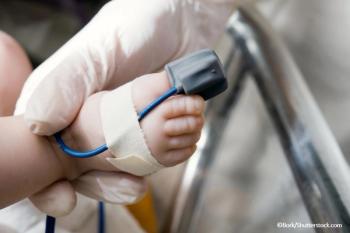
The inquiry follows internal requests for closer review of trial findings and real-world evidence; regulators have not yet indicated any planned actions.
Chari A. Cohen, DrPH, MPH, underscored the importance of trust, open dialogue, and evidence-based information.
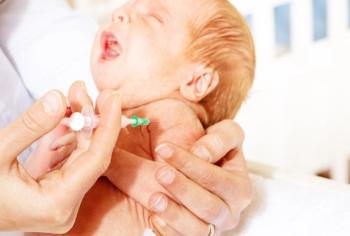
Amid controversy, ACIP voted today to end the universal hepatitis B birth dose for infants of HBsAg-negative mothers, shifting to clinician-guided individual decision-making.
Former CBER chief calls claims "misrepresentation." ID experts Offit and Osterholm criticize timing ahead of CDC advisory committee meeting next week.
The H3N2 subclade K is dominating early flu season gobally; despite vaccine mismatch, vaccination remains the primary defense against severe illness and hospitalization.
The CDC website now claims "studies supporting a link [between vaccines and autism] have been ignored by health authorities."

Your daily dose of the clinical news you may have missed.
Public health expert Kelly Moore, MD, MPH, president and CEO of immunize.org, says the news is good for now, but the uninsured could be at future risk.

Measles vaccine coverage must reach 93% to maintain herd immunity but in 1 postelimination outbreak, the level reached only 80% in school-aged children.
Public health officials across states and regions are "thinking on their feet" about how best to protect public health given the upheavel in federal vaccine policy, Moore said.

Vaccines for respiratory syncytial virus were found both safe and effective across 100,000 participants and, critically, for older adults and infants.
Discussions on day 1 focused on the difference between the MMR and MMR+V vaccines, with clinicians calling for inclusion of real-world experience in any ACIP decision.
Regardless of decisions made during the ACIP meeting, health insurance plans will continue to cover shots recommended by ACIP as of Sept 1.
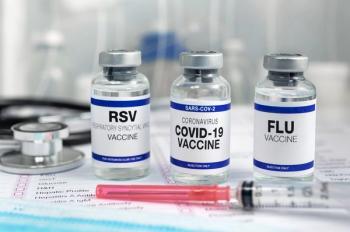
Most parents support childhood vaccines such as MMR and polio, but skepticism about seasonal and newer shots persists, along with distrust of federal agencies.

Merck's CAPVAXIVE could cover approximately 78% of invasive pneumococcal disease cases in youth with chronic health conditions, vs other approved pneumococcal conjugate vaccines.
In its updated guidelines, the AAP recommends that all children aged 6 to 23 months be vaccinated against COVID-19, citing the population's high risk for severe infection.
Sarah Sams, MD, emphasizes education, empathy, and proactive communication to support families and protect public health.