
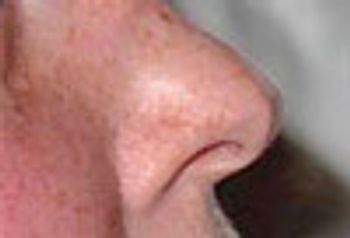
For 10 weeks, a 34-year-old woman had refractory sinusitis, epistaxis, painful sores in her mouth with erosions in the nasal cartilage and palate, and otitis media in the left ear.
For 10 weeks, a 34-year-old woman had refractory sinusitis, epistaxis, painful sores in her mouth with erosions in the nasal cartilage and palate, and otitis media in the left ear.

Your patient is a previously sedentary, overweight 39-year-old woman who has recently taken up running. She now presents with pain and swelling anteroinferior to the lateral malleolus after she twisted her ankle while running on uneven pavement 1 day earlier. Your diagnosis: an uncomplicated lateral ankle sprain.
Measure your cycle time from patient entry to patient exit.
When dealing with children, I always try to sit so that I am at eye level with them.
How effective is antibiotic therapy for long-standing reactive arthritis?
Discussions that focus on health care costs have created a specialized vocabulary, such as comparative effectiveness research. The concept undergirding this field may be defined as “the conduct and synthesis of research comparing the benefits and harms of different interventions and strategies to prevent, diagnose, treat, and monitor health conditions in ‘real world’ settings.”
Overcrowded emergency departments (EDs) reflect a system-wide patient flow problem. Although there are multiple reasons for bottlenecks in flow, the inability to transfer patients to inpatient beds is a major factor.
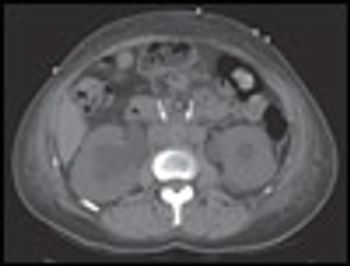
For about 2 weeks, a 61-year-old woman with diet-controlled diabetes and hypertension had fatigue and generalized weakness. For the past 3 months, she had had poorly localized back pain and bilateral flank pain. She denied dysuria, fever, decreased urinary output, or weight loss.
Provide a better seal than regular plastic wrap or plastic bags
Many people have difficulty with completing the section of our office’s patient information sheet that asks for a complete list of their current medications.
Which antibiotics are most likely to cause a clinically significant drug interaction in elderly patients who are receiving warfarin?
In the December 14, 2009, issue of The New Yorker magazine, Atul Gawande observed, “Cost is the specter haunting health care reform.” The idea (or better, mantra?) of cost as central to health care’s reform is not new but is surely a topic that demands this generation’s consideration. Most of the economic debate has been general, looking at national “bottom lines” rather than focusing on the “dollars and cents” of individual diseases. Let’s take a sobering look at rising costs in the context of specific diseases, beginning with psoriasis.