














































































































































The FDA requests removal of pregnancy contraindication from statin prescribing information based on comprehensive reviews that found no evidence of an increase in birth defects.
Women with T2D Less Likely to Receive Guideline-recommended Cardiovascular Care vs Men
Early LDL-C Exposure and Cumulative Burden Increase CHD Risk in Middle Age
The FDA requests removal of pregnancy contraindication from statin prescribing information based on comprehensive reviews that found no evidence of an increase in birth defects.

In patients with stable vascular disease from the COMPASS trial, the combination of rivaroxaban and aspirin effectively reduced ischemic events despite multiple comorbidities and polypharmacy.

A new study challenges traditional criteria for patient selection for metabolic surgery, demonstrating significant weight loss and disease remission for those with BMI of 30-35.

Analysis of NHANES data shows significant downturns in control of the 3 risk factors in patients with diabetes, which could mean population-level increases in related illness.

ACC.21: High rates of obesity, hypertension, and hyperlipidemia found in Black women in their 20s and 30s are of significant concern, says the author of a study to be presented at the ACC meeting.
Robust analyses of urine metabolites detects poor adherence with prescribed treatment in T2D and is associated with prevalence of micro- and macrovascular complications.
For frontline clinicians who care daily for patients with obesity and type 2 diabetes, a weight-centric approach to T2D, including antiobesity drugs, could help improve outcomes.
Long time cardiometabolic investigator Harold Bays, MD, talks about obesity, new drugs to treat the disease, and how the words "be inefficient" could change thinking about treatment.

Jackson Heart Study participants who maintained a healthy BP, BMI, and never smoked were at lower risk for incident CVD, suggesting targets for intervention in high-risk populations.
Article
Heart disease, again the leading cause of death worldwide, may remain so for many years as a result of COVID-19 pandemic conditions, says AHA Update Writing Committee Chair.

Preview days 4 and 5 of the American Heart Association 2020 live late-breaking science sessions. Decide what you need to watch and when.

What to watch during the AHA 2020 late-breaking science sessions? We break down the first 3 days of clinical trial presentations for you, here.

Preventive Cardiology Collection Table of Contents: Expert video interviews, short, clinical guideline-focused quizzes, facts at-a-glance slideshows, plus news.

Cardiovascular medications are widely-prescribed in the US. Alex Evans, PharmD, MBA, drafted questions on the top 5 dangerous interactions he sees regularly in practice.

Elevated lipoprotein A is a genetically determined independent risk factor for CVD, affecting up to 30% of the population. Phase 3 trials for the first treatment are underway.

VIDEO: Preventive cardiology is a multidisciplinary therapeutic area and primary care clinicians have the advantage of greatest patient exposure to help advance care.

VIDEO: Treatment for ASCVD patients at high risk is lagging behind the availability of powerful new therapies. And, the pandemic does not help, according to Seth Baum, MD.
The 2019 ACC/AHA guidelines on the primary prevention of cardiovascular disease could change your clinical practice. Try these 9 questions to find out how.

Bempedoic acid is the first oral, once-daily, non-statin cholesterol lowering medication to receive FDA approval since 2002.
Dyslipidemia guidelines from the US and Europe take slightly different routes to similar ends. Test your knowledge of the twists and turns.
The European and American guidelines on dyslipidemia management overlap but also diverge in critical ways. A Johns Hopkins cardiologist highlights similarities and differences.
Test your knowledge of the key elements and outcomes of the highly buzzed about REDUCE-IT trial with this 5-question quiz.
Eighty percent of all cardiovascular events are preventable. The ACC/AHA 2019 guidelines are a single source of best practices to help achieve that goal. Review them here, at-a-glance.
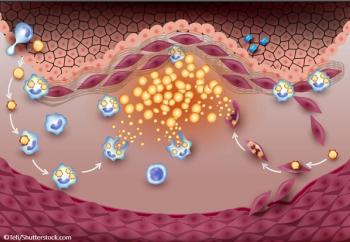
To manage cholesterol in your patients, it still helps to know your numbers, new guidelines notwithstanding. Here, 8 simple questions that take you back to basics.

Treatment rates for dangerously high cholesterol levels remain low, according to a new study.