




















































































































































Under what circumstances is it worthwhile to measure aldosterone levels in hypertensive patients? An increasing number of cardiovascular risk factors are being packaged into individual "epidemics."
Under what circumstances is it worthwhile to measure aldosterone levels in hypertensive patients? An increasing number of cardiovascular risk factors are being packaged into individual "epidemics."
Pain is a significant public health concern. In a prevalence study conducted in Australia, 17% of men and 20% of women reported chronic daily pain. A US study found that 13% of the total workforce had lost productive time during a 2-week period because of a pain condition. Headache, back pain, and arthritis pain headed the list of causes.
How effective is upper airway surgery in treating obstructive sleep apnea? The fallout from the growing obesity epidemic includes obstructive sleep apnea (OSA) syndrome. Although OSA may be considered a "specialty disease" (managed by pulmonologists, sleep specialists, otolaryngologists, and bariatric surgeons), the primary care physician bears the brunt of providing ongoing care.
Systolic hypertension is an independent risk factor for coronary artery disease, stroke, and end-stage renal disease. Nonpharmacological interventions for systolic hypertension include limitation of dietary sodium and alcohol intake along with weight reduction and aerobic exercise.
A 22-year-old woman has had chronic nausea, emesis with green vomitus, and diarrhea for the past 10 months. The diarrhea is frequent (about 3 to 8 times daily) and does not resolve with starvation.
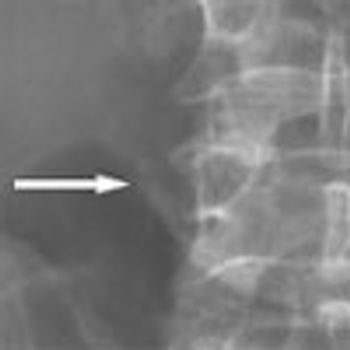
An obese 61-year-old man with a history of heroin abuse was brought to the hospital after he had fallen onto his buttocks on a sidewalk. He was able to stand initially, but weakness and numb-ness in his legs rendered him suddenly unable to walk or prevent himself from voiding. He denied abdominal or back pain. His medical history included asthma, chronic obstructive pulmonary disease, and hypertension.
A 62-year-old man presents with painful cramps in his left lower leg that began about 6 months earlier and have recently become more frequent. The cramps occur with vigorous walking and cease when he stops for several minutes.
Identifying the cause of a persistent, asymptomatic aminotransferase elevation can be challenging. The possible diagnoses are many and varied. To narrow the differential, begin with a detailed history.
Treatment of hypertension can minimize both microvascular and macrovascular complications of diabetes and helps prevent nephropathy and cardiovascular events.
For 2 weeks, a 43-year-old white female had worsening nausea and multiple episodes of vomiting. Her symptoms began with increased malaise and decreased appetite. The emesis was unrelated to meals and was sometimes accompanied by mild abdominal distention. She had occasional fevers but denied any recent contact with ill persons. She also reported a 12-lb weight loss, decreased energy level, and an increased tan complexion over the past several months.
For 6 weeks, a 56-year-old man had worsening dyspnea on exertion and a cough productive of yellow sputum with scant hemoptysis. He reported subjective fever over the past month but no weight loss.
A 69-year-old woman with a protuberant abdomen presents with intermittent, painless vaginal bleeding of 2 weeks' duration. The patient has not seen a physician in years. Her abdominal girth began to increase 8 years ago.
A 74-year-old woman presented with a refractory pruritic eruption. Four months earlier, she had sought evaluation of a thickened, slightly crusted 6 3 8-cm patch on her right ankle of 2 months' duration. Contact dermatitis with secondary impetigo from scratching was suspected, and a topical corticosteroid and an oral antibiotic were prescribed.
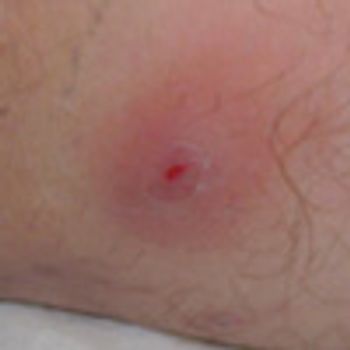
Hidradenitis suppurativa is a chronic acneiform infection of the cutaneous apocrine glands.
Over the past 20 years, the treatment armamentarium for diabetes has greatly expanded: 8 different classes of non-insulin drugs and 8 different types of insulin are now available. The newer classes of agents include disaccharidase inhibitors, thiazolidinediones, meglitinides, glucagonlike peptide analogs, and dipeptidyl peptidase IV inhibitors.
PITTSBURGH, Oct. 15 -- About 1% of bariatric surgery patients die within a year of surgery, researchers here found, and the cumulative case fatality rate approaches 6% after five years.
DANVILLE, Pa. -- Losing between 5% and 10% of body weight before bariatric surgery improves outcomes for morbidly obese patients, researchers here said.
PHILADELPHIA -- Unexplained weight gain in patients with Crohn's disease treated with infliximab remains a mystery, according to investigators in a small study reported here.
IOWA CITY, Iowa -- A new picture of adenoviruses and the disease associated with them in the U.S. is emerging from a novel molecular technique, according to researchers here.
DURHAM, N.C. -- Oncologists need to think heart when treating early breast cancer, according to clinicians here.
BRISBANE, Australia -- Obesity even without reflux disease is associated with six times the risk of developing esophageal adenocarcinoma compared with those of normal weight, researchers here found.
BOSTON -- Women with high or rising blood pressure are up to three times more likely to develop diabetes, researchers here found.
CHARLOTTESVILLE, Va. -- Topiramate (Topamax), a migraine agent, appeared to help alcoholic patients curtail their heavy-drinking behavior, according to investigators here.
ST. LOUIS -- A maintenance program emphasizing behavioral or social skills may help overweight kids keep the pounds off after a weight loss intervention, researchers found.
BOURNEMOUTH, England-A campaign to urge kids to stop drinking sugared carbonated beverages-an effort to have them lose weight or prevent obesity-didn’t seem to have much value in the long run, reported investigators here.