
















































































































































Obesity Medicine

Latest News


CME Content


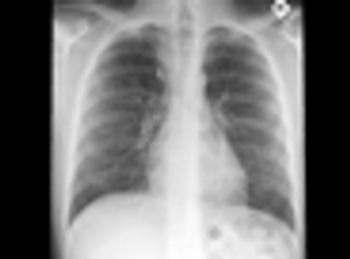
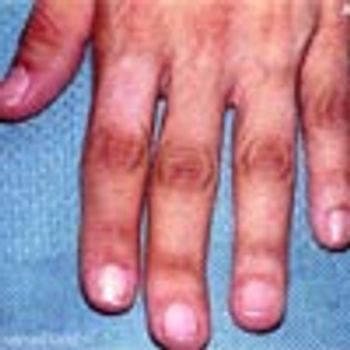
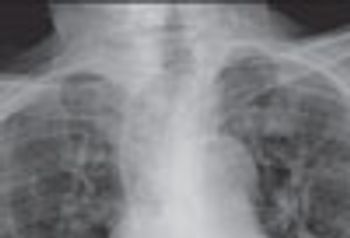
For the past year, a 52-year-old man had dysphagia, which he described as a “knot stuck in the throat” and an associated 25-lb weight loss. He denied fever, chills, headache, abdominal pain, and diarrhea. The patient had been living in the Dominican Republic until about 1 year earlier, when he moved to the United States. He had a 30 pack-year smoking history; he also had hypertension, asthma, and coronary artery disease (none of which were pharmacologically treated). He denied alcohol and illicit drug use.

Quality health measures monitored by insurers include body mass index (BMI), smoking status, and pain.

Your patient is a previously sedentary, overweight 39-year-old woman who has recently taken up running. She now presents with pain and swelling anteroinferior to the lateral malleolus after she twisted her ankle while running on uneven pavement 1 day earlier. Your diagnosis: an uncomplicated lateral ankle sprain.

Weekend athletes who push themselves too hard can end up with a traumatic or overuse injury that may sideline them for weeks or months-or even permanently. And injury-associated inactivity may result in weight gain and other adverse health effects.

For about 2 weeks, a 61-year-old woman with diet-controlled diabetes and hypertension had fatigue and generalized weakness. For the past 3 months, she had had poorly localized back pain and bilateral flank pain. She denied dysuria, fever, decreased urinary output, or weight loss.

A39-year-old man with a history of AIDS and nonadherence to highly active antiretroviral therapy (HAART) presented with frontal headache and scalp pain of 2 weeks' duration. These symptoms were accompanied by nausea, weight loss, and generalized weakness. Physical examination revealed a small, tender scalp lump, 2 × 2 cm over the left parietal area. The findings from the rest of the examination were unremarkable.

A 3-year-old boy was brought into the office for vague abdominal pain of 5 days’ duration. His mother stated that he had had several episodes of nonspecific pain in the abdomen that lasted a few minutes and resolved spontaneously.

A 56-year-old woman seen during physician’s hospice visit. Stormy course from lupus nephritis, dialysisdependency, repeated episodes of dialysis-catheter–related peritonitis, each treated and followed by Clostridium difficile–associated disease.

Dr Rutecki makes some excellent points about the costs of diabetes care and how the reduction of complications such as myocardial infarction, heart failure, and renal disease will decrease costs and suffering. But I have difficulty with the tone of his comments that seem to shift blame for the cause of these costs.

Michael F. Holick, MD, PhD, the Boston University professor of medicine and well-known “apostle of vitamin D,” attracted a standing-room-only crowd Friday for a presentation on his favorite topic. It was a performance that had the audience at rapt attention for a full hour-not just because of the celebrity of the speaker, but because of the extraordinarily clever and engaging nature of his presentation.

I have found that most of my patients with celiac disease actually have to convince their own physicians that they have the disorder.

These grouped, white to flesh-colored papules on the plantar aspect of a 28-year-old woman's heels appeared during weight bearing and disappeared in non–weight-bearing positions. The patient, a nurse whose work required standing for hours, noticed the lesions about a year earlier. Her medical history was unremarkable, and she was taking no medications. Her sister had similar lesions on her heels.

American medicine is undergoing the greatest financial scrutiny in its history. The hue and cry for reform stems primarily from the soaring costs of health care. However, placing the blame for these costs solely on increased utilization of technology, cutting-edge pharmaceuticals, cost-shifting hospitals, and physicians misses a bigger mark.

What is the highest dose of insulin that can be used in a patient whose diabetes remains uncontrolled on a regimen of insulin plus an oral antidiabetic agent?

A 38-year-old man had fever and fatigue for the past 6 days and tenderness in the left upper abdominal quadrant for the past 3 days. He also had a facial butterfly rash that had been present for 10 years and a 1-year history of lupus nephritis, treated with prednisone and mycophenolate. He denied respiratory complaints or recent weight loss.

For 1 month, a 60-year-old white man has had increasing fatigue, generalized weakness, and exertional dyspnea. He becomes short of breath after he walks only 100 to 150 yards on level ground or climbs only 1 flight of stairs. In addition, he has unintentionally lost 12 lb in the past month and has experienced intermittent dysphagia with solid foods. He attributes this last symptom to long-standing gastroesophageal reflux disease (GERD), for which he regularly takes over-the-counter omeprazole.