


















































































































































Reducing hyperglycemia in older patients with chronic kidney disease may be best accomplished using incretin-based agents.
Reducing hyperglycemia in older patients with chronic kidney disease may be best accomplished using incretin-based agents.

Skills quiz: Rectus abdominus rupture; IBS; Cholecystitis; Smoking and MS

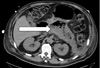
Emphysematous cholecystitis is a rare condition that is the result of infection with Clostridium perfringens and other gas-producing organisms including Escherichia coli, Bacteroides fragilis, and Klebsiella species.

What is a safe, effective, and inexpensive way to reduce the risk of heart attacks, strokes, and dementia? What we eat is a key part of the answer. For one thing, doctors can suggest an appropriate diet to motivated patients, or to those who prefer a non-drug approach.
Emphysematous cholecystitis is a rare condition that is the result of infection with C perfringens and other gas-producing organisms including Escherichia coli, Bacteroides fragilis, and Klebsiella species.
Dr. David von Rueden discusses factors that make it difficult for obese patients to lose weight with diet and medication; offers practical guidance about when to broach the subject of weight loss with your patient and what options to suggest; and what your role is after a patient has had bariatric surgery.
Short-term sleep deprivation reduces insulin sensitivity in peripheral tissue, including fat cells, possibly leading to type 2 diabetes mellitus or obesity.
What is known about diabetes mellitus in older adults, how DM affects them differently than younger adults, what can be done to prevent or manage the disease, and how best to fill critical gaps in the evidence to address older patients’ needs.
Physicians may improve patient care by adding a vital sign for exercise as an assessment tool in the clinical setting. Asking patients about their exercise habits could be an important part of their care and treatment.
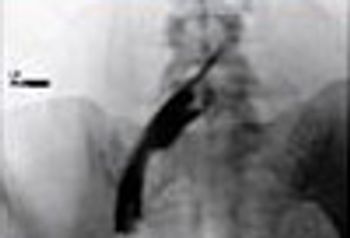
Deep venous thrombosis as a complication of leiomyoma uteri is rare and only a few cases have been reported to date.
Here: an update on the challenges of detection, diagnosis, and management of celiac disease and non–celiac disease and the importance of gluten sensitivity.

(AUDIO) According to the Centers for Disease Control, more than one-third of US adults are obese. The CDC also estimates that as many as 1.4 million Americans suffer from inflammatory bowel disorder. So is there a link?

Persistent hyperglycemia despite triple oral antidiabetic therapy requires reassessment of medications with particular attention to risks for weight gain and hypoglycemia.
Hyperglycemia uncontrolled by oral antidiabetes agents alone can be complicated by drug-induced weight gain. GLP-1 agonists and DPP-4 inhibitors offer alternatives.
The addition of basal insulin to current oral medication is the simplest way to initiate insulin therapy in patients with type 2 diabetes.
Hypertension is very common in people with diabetes; in this patient’s case, it may have been present for 5 to 10 years before the hyperglycemia appeared.

In addition to lifestyle changes, how would you treat this patient?
In patients deemed statin-intolerant, lifestyle changes and alternative classes of drugs should be pursued to lower LDL-C.

Up to 80% of those with necrobiosis lipoidica have diabetes mellitus; however, this disorder develops in fewer than 1% of people who have diabetes.
You might ask-as I did when I heard this story-“how can you feel better [after surgery] when you have no symptoms or exercise intolerance in the first place?”
Despite best efforts with lifestyle modification and adherence to metformin and glimepiride therapy, this man’s A1C continues to rise. What next?
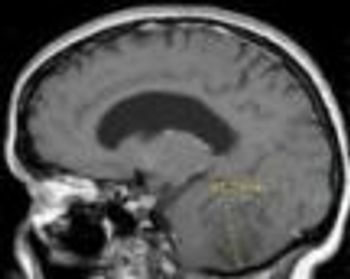
Lhermitte-Duclos disease is a rare, slow-growing, benign lesion of the cerebellum and is considered a hamartomatous tumor of the cerebellar cortex.
Blood sugar and HbA1C are very high; how would you treat this patient's hyperglycemia?

Type 2 diabetes mellitus is affecting teenagers at an alarming rate. Lifestyle changes are paramount in an environment of chronic caloric surplus.
Once-weekly exenatide, the recently approved GLP-1 receptor agonist, may help improve treatment adherence and outcomes in patients with type 2 diabetes.