

















































































































































Cardiology

Latest News


CME Content


A 36-year-old man with a 15-year history of episodic migraine presents to the emergency department (ED) at 5 AM witha right-sided throbbing headache of 4 hours' duration. The headache awakened him, which is typical of his more severemigraine attacks. Unfortunately, the patient forgot to refill his prescription for pain medication and did not "catch" thisheadache in time. He took an over-the-counter combination of aspirin and caffeine, which seemed to help for about 60minutes, but the headache has returned full force. He has vomited twice-another characteristic typical of his migraineattacks

A 3-year Australian study found that when patients who underwent bypass surgerywere given coenzyme Q10 for a week or more before the operation, their heartmuscle tolerated stress better, recovered more quickly, and had better pumpingability after surgery than did the heart muscle in patients given placebo.1

Many of the approximately 12.4 million Americans whohave cardiovascular disease are not being treated with themost up-to-date risk-reduction therapies.1 Strong evidencefrom recent studies, such as the National Heart, Lung, andBlood Institute’s Adult Treatment Panel III report2 and theHeart Outcomes Prevention Evaluation (HOPE) trial,3demonstrate the need for more aggressive use of appropriatemedical and lifestyle therapies for these patients.

I wish to add ileus to the list of atypical presenting symptomsof acute myocardial infarction (MI) in an article byDrs William J. Brady, Jr, Andrew D. Perron, and Chris A.Ghaemmaghami (CONSULTANT, July 2001, page 1153).

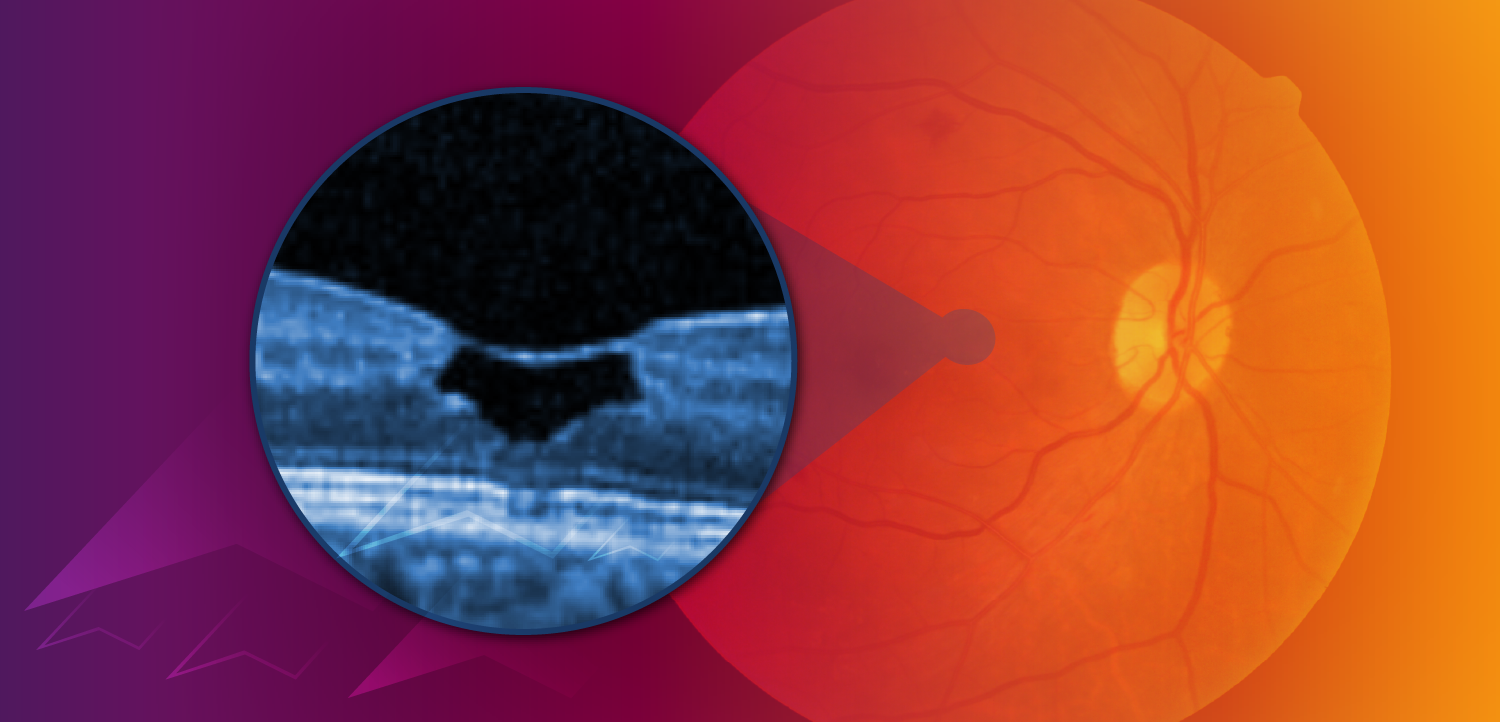
A 71-year-old man presented with a 6-week history of decreased vision in his right eye. The patient, who had hypertension and migraine headaches, had successfully recovered from a stroke that occurred 1 year earlier. His medications included aspirin, 81 mg/d, clopidogrel, atenolol, and furosemide. He also took gabapentin, 300 mg hs, for his migraine headaches. He had a remote history of cigarette smoking.

A 57-year-old woman complains of burning and dryness in her left eye and altered sensation in her mouth when eating; these symptoms began the day before. A coworker who had noticed facial asymmetry recommended that she seek medical attention.

As many as half of patients who are evaluated for abdominal pain do not receive a precise diagnosis. And for about half of those who are given a diagnosis, the diagnosis is wrong. In this article, I will use actual cases (not "textbook" examples) to illustrate an approach to abdominal pain that begins with a careful differential diagnosis. I also offer some general guidelines for evaluating patients.

A systematic approach to the patient with resistant hypertension is both cost-effective and rewarding because the evaluation will probably reveal the cause. Initial considerations include lack of adherence, inappropriate treatment, drug-drug interactions, volume overload, and white-coat hypertension.

A serum alkaline phosphatase (ALP) level three times higher than normal, found on routine laboratory examination, prompted further evaluation of a 57-year-old man. At admission, his temperature was 36.8°C (98.2°F), blood pressure was 120/85 mm Hg, pulse rate was 90 beats per minute, and respiration rate was 19 breaths per minute. The physical examination was unrevealing, and the patient's personal and family medical histories were unremarkable.