
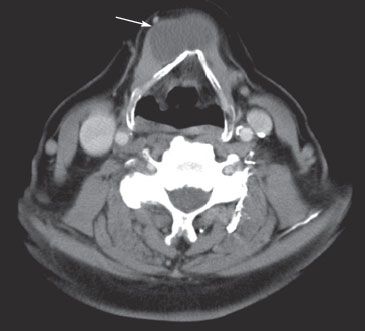












































































































































A retrospective chart review among HIV-infected patients treated with ART found use of statin medications associated with a lower risk of cancer.

A retrospective chart review among HIV-infected patients treated with ART found use of statin medications associated with a lower risk of cancer.

The key to reining in this trend is to link this group to health services as early as possible. The key to linkage, in turn, is testing. A new study finds room for improvement in meeting CDC testing coverage recommendations.
Despite gains, the sobering reality is that HIV transmission-- primarily via sexual means--continues at an unacceptably high rate in the United States.
Now that HIV infection is largely a chronic disease, cardiovascular disease has become a leading cause of death in this patient group. Here: a look at just how common LDL-C dyslipidemia, hypertension, and coronary heart disease really are.
The flu vaccine effectively prevents influenza in pregnant women, regardless of whether they are HIV positive, according to a new study. Results offer clinicians greater assurance to vaccinate all pregnant woman.
HIV-infected patients have a 2-fold increased risk for MI vs HIV-negative patients. While many are treated for common risk factors, many of those do not reach clinical targets.
Based on 2013 clinical guidelines, nearly three-quarters of HIV-infected patients with dangerous subclinical atherosclerotic plaque would not be considered for statin therapy, a new study finds.
A once daily MVC plus DRV/r regimen had an effective role in antiretroviral drug-pretreated individuals with controlled HIV infection in this trial. In an aging HIV-infected population, with increasing comorbidities, this combination could be a safer option than standard triple therapy. More here.
It now seems probable that most people with HCV infection can be cured-even if they are co-infected with HIV. But can we bear the cost?
Antiretroviral treatment does not appear to affect a woman's ability to become pregnant or to adversely affect fetal outcomes, according to this study.
A new study found a high rate of peripheral neuropathy in antiretroviral-naive patients within 3 months after HIV infection.
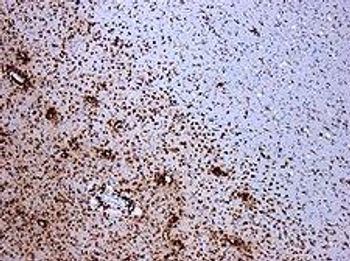
The largest record linkage study to examine an association between the diseases could open inquiry into a protective effect greater than any factor yet observed for development of MS.
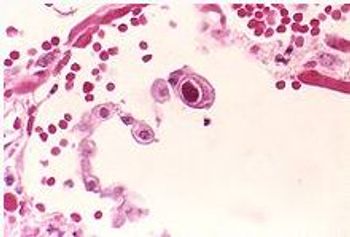
A recent study found that coinfection with cytomegalovirus and HIV was an independent risk factor for cerebrovascular and cardiovascular events.
This study demonstrates an added benefit to tenofovir-based preexposure prophylaxis regimens in preventing HSV-2.
A statistically significant association exists between efavirenz for initial HIV therapy and the risk suicidality. When this drug is given as a component of an antiretroviral drug regimen, patients should be monitored carefully for the possibility of deterioration of their depression or evidence of suicidal behavior.
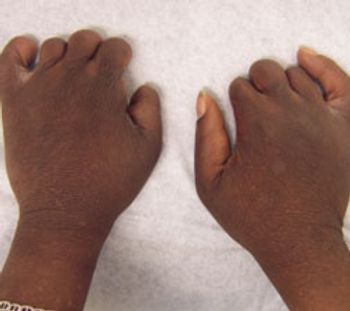
Digital abnormalities; oral candidiasis and HIV-infection; extra dose of MMR; penile rash . . . here: a range of topics to challenge you.
Physicians who treat patients with cryptococcal meningitis in untreated AIDS patients should be aware that early initiation of antiretroviral therapy is associated with increased mortality.
New recommendations for HIV testing in laboratories will lead to HIV diagnosis as much as 3 to 4 weeks sooner, according to the CDC.
Finding a good doctor to manage HIV probably matters a lot, but finding a good doctor, or any useable or reliable information about a particular doctor, is almost impossible. Here: 5 tips on finding a good HIV physician.
Women of all races and ethnicities are less likely to take antiretroviral therapy than men. Consideration of both gender and race/ethnicity is thus needed to identify areas for targeted intervention to improve outcomes relevant to specific groups of women."
The tools exist to eliminate HIV, but non-adherence is common. New evidence suggests that triggered reminders can influence adherence rates in HIV-positive patients.
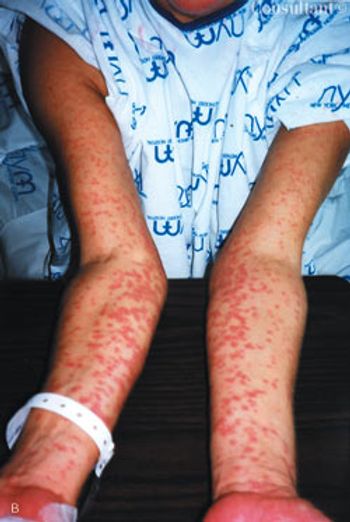
Oral lesions, often the harbingers of early HIV infection, rank among the most common complaints for which HIV-positive patients seek primary care. Here we offer visual presentations of these and other lesions associated with HIV.
Antiretroviral therapy has greatly reduced the incidence of non-Hodgkin lymphoma. But, a new study finds the risk is still high even at low levels of HIV infection.
As the number of patients with HIV who are treated effectively continues to rise, so too will the number of these patients seen for routine primary care. Here, 6 studies to help PCPs offer optimal treatment for this population.