

























































































































































High-sensitivity troponin T and N-terminal-pro-BNP were shown in 2 important studies to help predict risk of stroke and embolic events in patients with atrial fibrillation.
High-sensitivity troponin T and N-terminal-pro-BNP were shown in 2 important studies to help predict risk of stroke and embolic events in patients with atrial fibrillation.
In a proof-of-principle study, German researchers evaluated an affordable, accessible, and cost-effective way to help diagnose atrial fibrillation after ischemic stroke, with promising results.
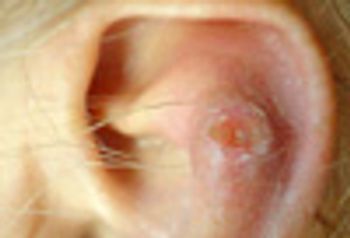
A painful nodule that keeps this woman up at night; treatment options for nonalcoholic fatty liver disease; risk factors for statin adverse effects . . . some of the topics in this 5-question quiz.
Myocarditis, postpericardiotomy syndrome, double aortic arch, heart-hand syndromes, stroke, cardiac valvulopathy, hemochromatosis, myocardial rupture-these visual presentations cover a range of heart diseases and related problems.
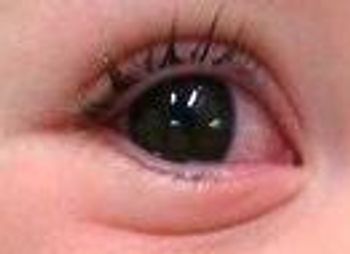
A diagnosis of adenovirus had been made at an urgent care center and zinc-oxide diaper cream was recommended. The rash did not respond and the child grew more irritable. There's more to the case, here.
Kawasaki disease is an uncommon febrile vasculitis of unknown etiology. It typically affects young children and can lead to significant morbidity and mortality if not diagnosed and treated.
Not only is there no increased risk of myocardial infarction among older men with testosterone therapy, there may be a protective effect.
A recent study found the lower cost to be the result of fewer episodes of major bleeding in patients treated with apixaban.
Post hoc analysis of the ENGAGE AF-TIMI 48 study looked at safety and efficacy of a novel oral anticoagulant in distinct groups with paroxysmal, persistent, or permanent atrial fibrillation.
A new study finds that ablation for atrial flutter reduces hospital-based costs, symptoms, and risk of atrial fibrillation. For stroke risk? Continue anticoagulation.
Lower blood pressure may be one dividend of an all-vegetarian diet, according to a recent meta-analysis.
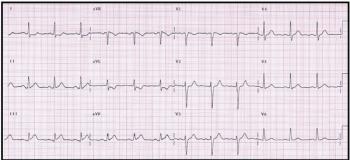
A middle-aged woman presents to the ED complaining of chest pain, dyspnea, and emesis. Here, review results of a 12-lead ECG. How would you confirm a diagnosis of STEMI?
Here: 6 quick health tips (some even inspirational!) you can offer your male patients.

. . . . And then there’s lipoprotein(a), a diagnostic puzzle that involves acute abdominal pain and a CT scan in a woman with a complicated medical history, and skin lesions that look like coins. 5 questions in all. . . .
The presence of reciprocal change supports the diagnosis of STEMI and also is a sign of a high-risk patient.
New guidelines for the treatment of patients with high cholesterol may, or may not, be appropriate for persons with type 2 diabetes. Here are the pros and cons.
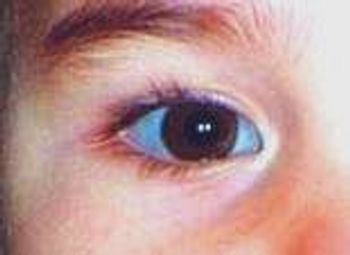
Brown eyes, blue sclera; stress tests when a patient can’t stress; CRPS type I vs CRPS type II: can you answer these quiz questions?
A meta-analysis shows both IV and oral formulations pose a risk of arrhythmia, the former more so than the latter. But these are very effective drugs. What next?
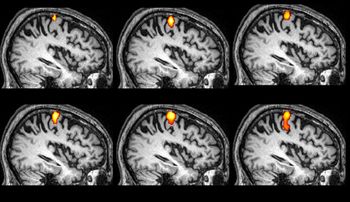
Results from the CRYSTAL-AF study find that nearly one-third of patients who experience cryptogenic stroke may have undetected atrial fibrillation.
A recent white paper declares it time to abolish the ambiguous term. Given current knowledge of atrial fibrillation, the 60-year-old description serves only to confuse.
The United States Preventive Services Task Force narrows recommendations for populations that warrant screening. Guideline revisions are based on a new evidence review.
The science behind the dangers of testosterone therapy is called into question by researchers who find the outsized reaction to flawed data counterproductive for physicians and patients alike.
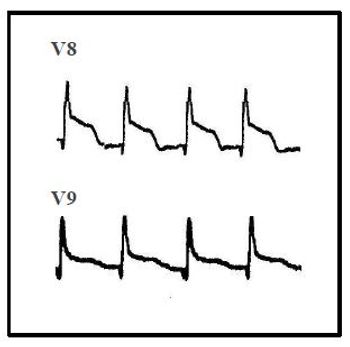
The patient describes acute onset of chest pain with nausea and diaphoresis. The cardiac and pulmonary examinations are normal. What does the 12-lead ECG reveal?
Aging baby boomers will more frequently appear in primary care offices with cardiovascular diseases that place them at high risk for both clotting and bleeding. Many will also have atrial fibrillation. Is there a sure-fire therapeutic formula for all?