





























































































































































Results of a new large study may offer some clarity in an area replete with conflicting findings from small studies in older men or registry studies in special populations.
Results of a new large study may offer some clarity in an area replete with conflicting findings from small studies in older men or registry studies in special populations.
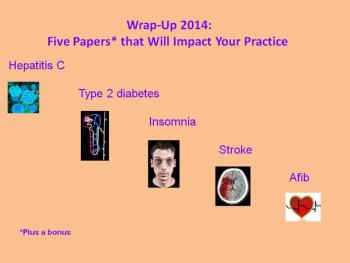
New drugs that treat stubborn illness seen often in primary care lead this group of Top 5 Papers for 2014. Type 2 diabetes, cryptogenic stroke, and hep-C are key targets.

A nurse describes his own bout with atrial fibrillation-the symptoms and his attempts to cardiovert to normal rhythm-from his hospital bed.
This weekly roundup of breaking cardiology news is brought to our readers by our partners at MedPage Today.
Here’s a quiz about enterovirus, PFO, diastematomyelia, the depression/asthma connection, and an HIV complication. Can you answer the 5 questions correctly?
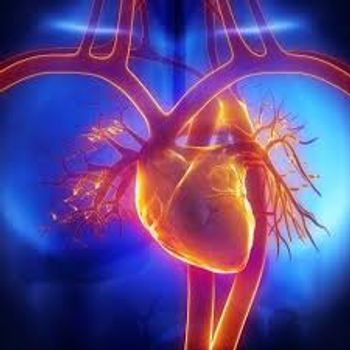
There is method to the “madness” surrounding cardiac stress tests. Examine these fundamental rules to make wise choices and get results.

Overall it looks as though pharmacologic rate control is still the preferred therapy for new onset AF, but a new study identifies some interesting trends in the use of drugs for both rhythm and rate.

Atrial fibrillation and dementia have long been linked, partly because both tend to affect the elderly. But there may be a causal link as well related to management of anticoagulation.

The recent AFFORD trial suggests no clinical role for omega-3 fatty acids in preventing atrial fibrillation or in modulating disease markers.
Does the HIV epidemic represent primarily a failure of the public health system--or is it more likely a result of failure on an individual level to take steps necessary to prevent infection?
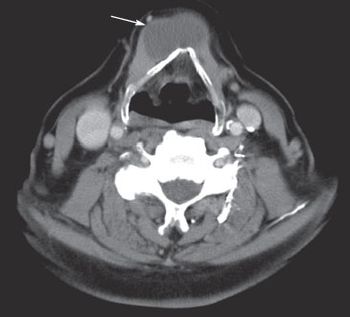
Thyroglossal duct cyst; HCV-HIV coinfection; slurred speech and trouble swallowing and chewing . . . see how well you do on the quiz questions this week.
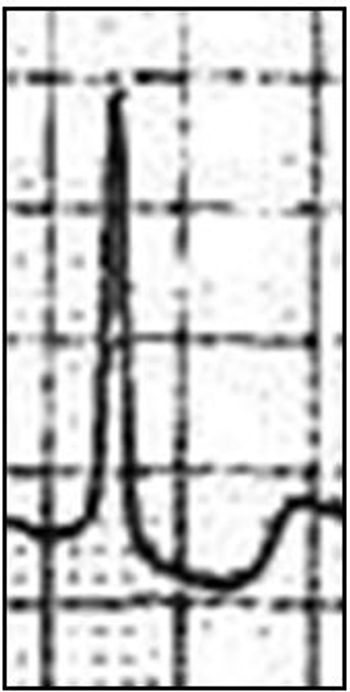
The history of T-wave inversions, normal variant (or benign) causes, ST segment elevation myocardial infarction, hyperkalemia, Wellens’ syndrome, proximal left anterior descending artery occlusion-an evaluation of ECGs and what stories they can tell you.

It's not a new formula, but the study was large and the results significant: almost 4 of 5 MIs may be preventable in men who adhere to 5 healthy habits we're all familiar with.

A new study finds that iPhone-based technology deployed in local pharmacies can detect asymptomatic atrial fibrillation. iECG anyone?

Results of a recent study suggest the presence or absence of CMBs may help refine risk prognostication in patients with AF.
The cost vs the benefit of community screening for disease is often hotly debated. A new study suggests that detection and treatment of asymptomatic AF may be worth that effort.
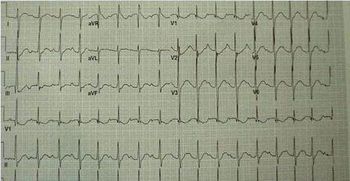
A 38-year-old man with a history of hypertension, depression, and alcohol abuse presented with total body weakness after drinking heavily the night before. His ECG is shown here. What diagnosis does this ECG indicate?
Now that HIV infection is largely a chronic disease, cardiovascular disease has become a leading cause of death in this patient group. Here: a look at just how common LDL-C dyslipidemia, hypertension, and coronary heart disease really are.
HIV-infected patients have a 2-fold increased risk for MI vs HIV-negative patients. While many are treated for common risk factors, many of those do not reach clinical targets.

Asymptomatic lesion on back; impaired fertility in overweight or obese men; herpes zoster complications . . . Can you answer the 5 questions in this quiz?
Based on 2013 clinical guidelines, nearly three-quarters of HIV-infected patients with dangerous subclinical atherosclerotic plaque would not be considered for statin therapy, a new study finds.
Lone atrial fibrillation describes isolated episodes of AF that have been previously considered benign. A revised picture is emerging, according to a new study.

A very large observational study heightens concern around use of digoxin in the treatment of newly diagnosed atrial fibrillation, despite guideline recommendations.

A new study identifies obesity and inactivity as independent risk factors for atrial fibrillation in postmenopausal women. Exercise attenuated the risk in the study cohort.

Scarring from mildly tender facial lesions; medications implicated in many emergency hospitalizations of older adults; sugar-sweetened beverages and risk of coronary heart disease . . . questions on these and other topics to challenge you.