













































































































































Infectious Disease
Latest News
Advertisement
Advertisement
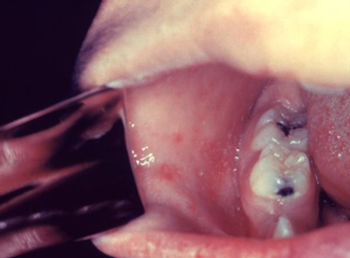
Here are the signs and symptoms of the measles in a classic case-in order of their appearance:
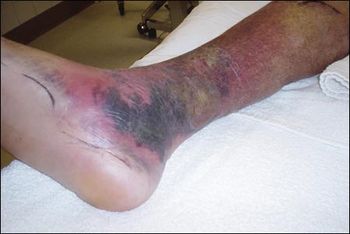
Abrasions, ecchymoses, and a 3-cm laceration led to infection with Morganella morganii. What do you know about this pathogen? In this quiz: questions on wounds that resulted from falls.
There has been an explosion of diagnostic and therapeutic discoveries affecting the liver. In this slide show: key points on 5 important clinically relevant areas.
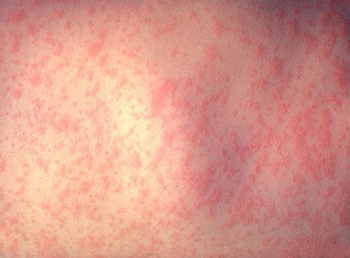
The number of measles cases has hit an all time high since it was declared to be eliminated in the US back in 2000. Here's why.
What flu vaccine should you recommend this year for children over age 2? A look at the data . . .
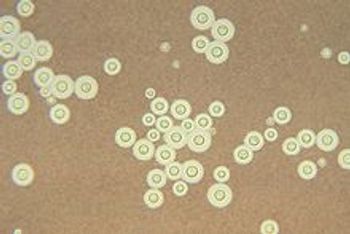
Primary care clinicians take note: here’s a case for routine screening and treatment of early cryptococcal infection, given its prevalence and sequelae in patients with HIV/AIDS.
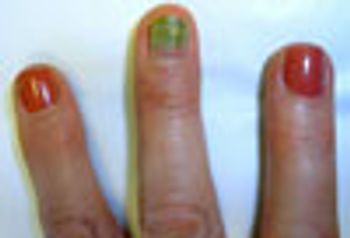
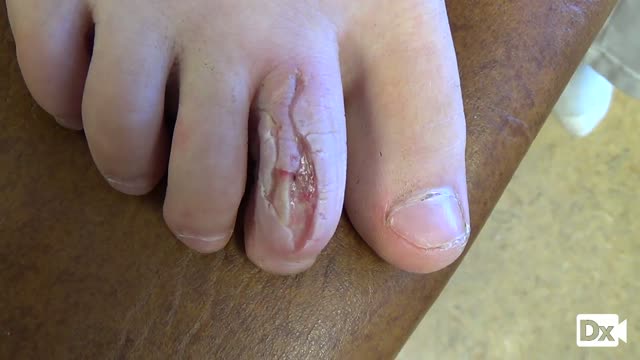
Subungual infection; “raccoon eyes;” bed bug bites. . . a quiz to challenge you.
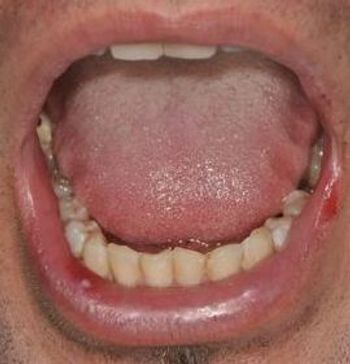
This self-limited albeit recurrent condition is often triggered by antigenic stimuli, including infections, most often HSV, and medications.
New drugs that treat stubborn illness seen often in primary care lead this group of Top 5 Papers for 2014. Type 2 diabetes, cryptogenic stroke, and hep-C are key targets.
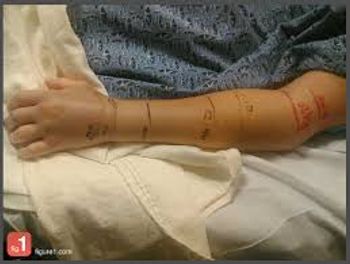
Reactions range from mild and localized to life-threatening and even fatal. All bites must be treated as true emergencies.
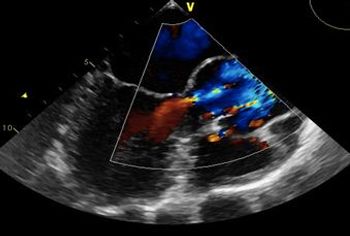
Here’s a quiz about enterovirus, PFO, diastematomyelia, the depression/asthma connection, and an HIV complication. Can you answer the 5 questions correctly?
Few primary care clinicians in the US are likely to face this rare but deadly disease in daily practice. But if one of your patients had symptoms or was infected, would you make the decision to help treat?
While it is unlikely that Ebola will become a problem for most clinicians in the US, it is prudent to be prepared. Test your knowledge of this rare, but deadly disease with a clinical scenario.

This is the first Ebola outbreak in an urban setting, which has made control more difficult without the better barrier protection available in the developed world.
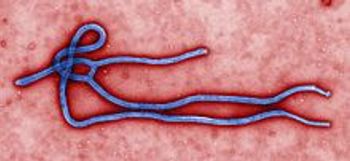
The guidelines establish consistency for emergency care workers and reflect lessons learned from the recent experiences of US hospitals.

The enterovirus story continues to evolve: here are 6 things clinicians need to know now.
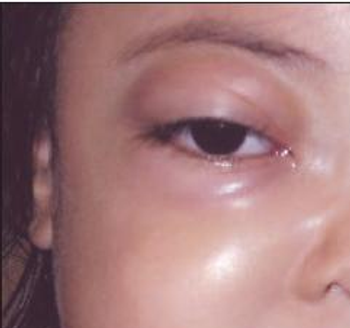
Optic nerve dysfunction and neurosarcoidosis, orbital inflammatory syndrome, herpes simplex conjunctivitis, iritis caused by neurosyphilis, proptosis-a close look at ocular conditions and underlying causes.
The flu vaccine effectively prevents influenza in pregnant women, regardless of whether they are HIV positive, according to a new study. Results offer clinicians greater assurance to vaccinate all pregnant woman.
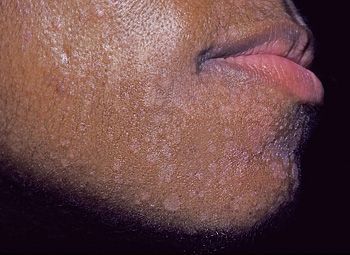
Scaling erythema; Epstein-Barr virus infection; one blue, one brown iris . . . test yourself with this 5-question quiz.
It now seems probable that most people with HCV infection can be cured-even if they are co-infected with HIV. But can we bear the cost?
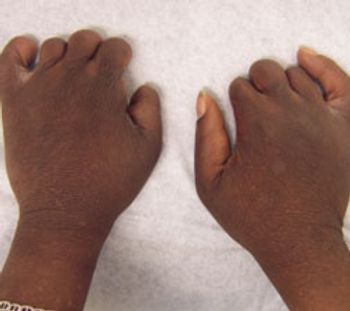
Digital abnormalities; oral candidiasis and HIV-infection; extra dose of MMR; penile rash . . . here: a range of topics to challenge you.

You may have patients with plans for far-flung summer travel. But have they planned for necessary vaccinations? See if you can advise the family in our travel quiz on appropriate prevention for all.
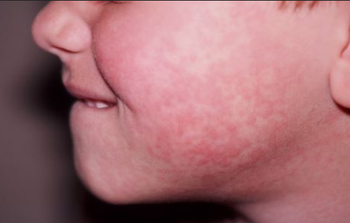
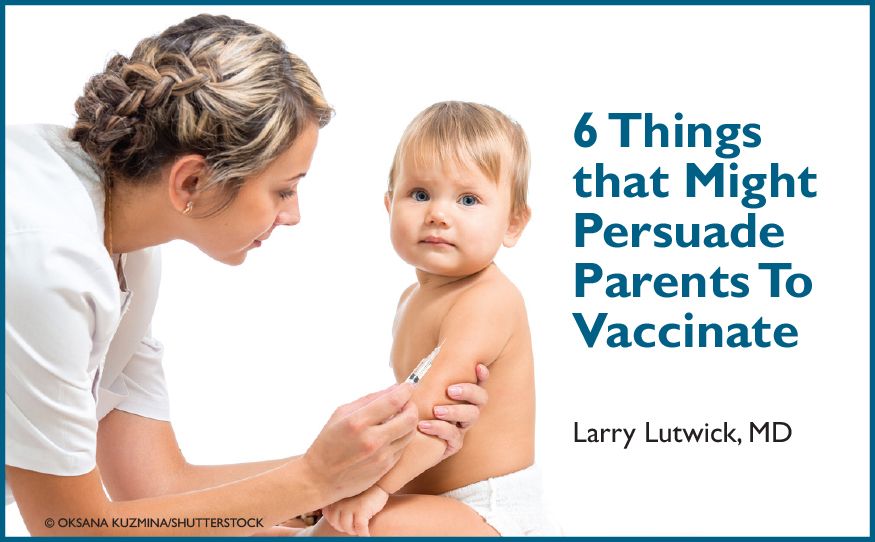
Hepatitis, measles, smallpox, polio, mumps, influenza, Fifth disease-a close look at the value of vaccination past, present, and future.
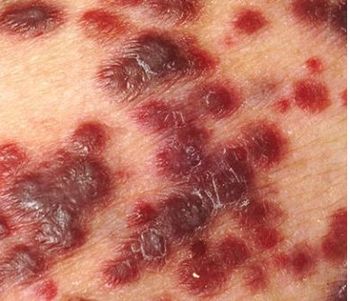
More than 1 in 7 of the 288 measles cases reported so far this year have led to hospitalization, according to a press release from the CDC. The respiratory disease is serious and highly contagious. Make sure you are familiar with the signs and symptoms. More, here.
Advertisement
Advertisement
Trending on Patient Care Online
1
FDA Approves Pfizer-BioNTech XFG-Adapted COVID-19 Vaccine for 2026-27 Season
2
Diagnosing PMOS in Adolescents: Criteria, Ultrasound Limits, and Red Flags
3
Agitation Associated with Dementia Due to Alzheimer’s Disease: How Common Is It, and How Does It Present?
4
GLP-1 RA Use Accelerates Among US Children Aged 8 to 11 Years With Obesity
5