






















































































































































Here: highlights of 2 studies on vaccines against pneumonia and 2 studies on resistance to antibiotics commonly used to treat pneumonia.

Here: highlights of 2 studies on vaccines against pneumonia and 2 studies on resistance to antibiotics commonly used to treat pneumonia.
Primary care physicians see many disorders more often or more severely in the winter months. Here, find 10 of these common cold-weather ills.

A new flu season is never elementary for primary care. Two questions on flu and its spread that may prove educational.

This quick quiz focuses on testing and diagnosis. Test your acumen.

A new study also shows that patients with type 2 DM are more prone to infections years before they receive a diagnosis and may end up with an increased demand for antibiotics.

Cigarette smoking has declined but remains a leading cause of illness and death in the US. If there is anything you don’t know about the current state of smoking, you’ll find it in these slides.

Nearly 1/3 of C. difficile cases are community-acquired, placing the infection squarely in the sights of primary care physicians. A review from ACG 2015, here.

A new era of antiretroviral therapy was previewed at IDWeek 2015 where results of trials of a "next gen" Truvada were unveiled.

One US location has a higher incidence of HIV than “any country in sub-Saharan Africa.” What does this tell us about the inadequacies in our HIV prevention efforts?
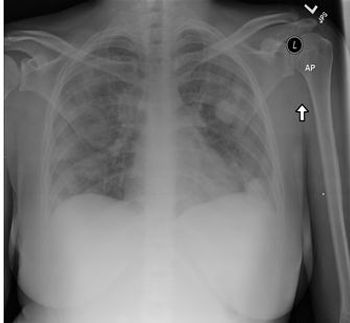
Symptoms closely resemble "strep" throat but suspicion for Lemierre should run high when pharyngitis and fever persist.
Not much about the family of hepatitis viruses is as simple as ABC. Test yourself on a few of the fine points, here.
A new CDC study also found that older adults are more likely to be hospitalized for a severe respiratory virus than those aged 18 to 49 years.
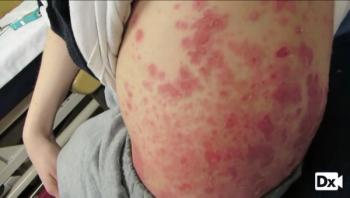
Watch this live video exam and hear details from the boy's mother about the acute, widespread eruption. What's your diagnosis?
Asthma and allergy symptoms, lupus, Lyme disease, Rocky Mountain spotted fever, southern tick–associated rash illness-several seasonal disorders are brought to light in this concise slideshow.
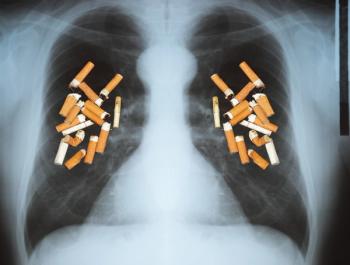
Undiagnosed lung disease in smokers, the impact of guidelines for community-acquired pneumonia in children, and climate change and asthma attacks make headlines in the respiratory news.
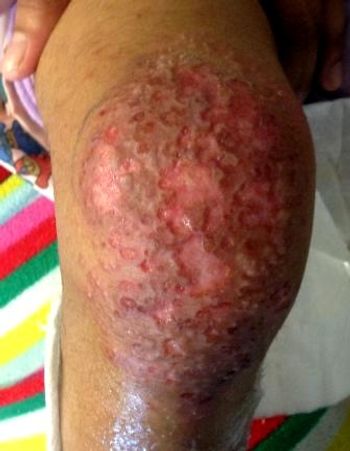
Is this pruritic lesion just unsightly, or is it indicative of a dangerous condition? Test your acumen in this quiz.

Immunosuppression after measles leaves children vulnerable to nonmeasles infection for up to 3 years, a new study finds. Just vaccinate!

The 15-year-old presents with a sore throat, congestion, and malaise. Her mother, afraid she will infect her siblings, requests a strep test. Review the history, watch the video exam. What’s your diagnosis?

Accompanying vomiting and fever raised suspicion for appendicitis and a CT scan of the abdomen and pelvis was ordered. Watch the ED video, review the history, and make your diagnosis.
Respiratory disease is the main reason why patients visit primary care practices. This brief summary highlights the latest in research and patient care.
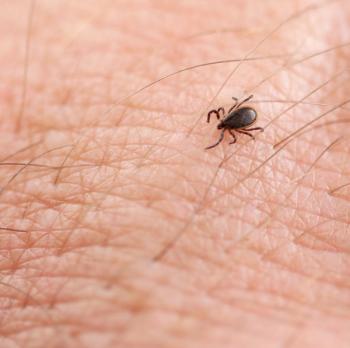
Warmer weather has arrived, and with it the season of tick-borne illnesses. Here’s the latest about Lyme disease and some surprising new scourges of spring.
What brings patients to your office-and not the specialty office down the street? Insights in this slideshow.
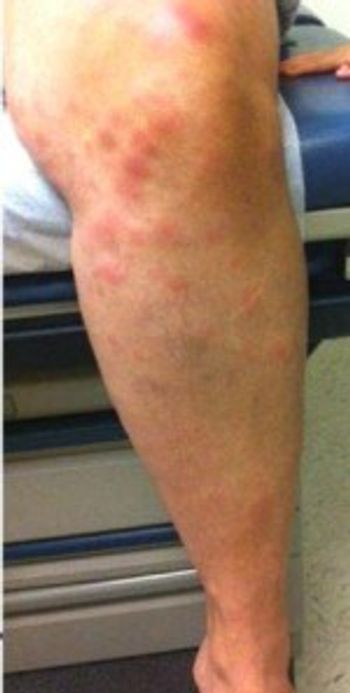
Can you identify the most common symptoms of Löfgren syndrome ?
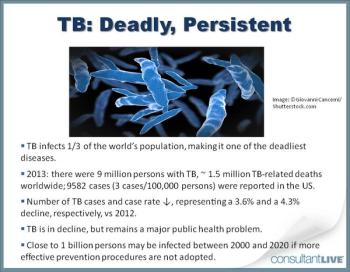
Tuberculosis, measles, and influenza have declined over the years but not gone away. See the slides that follow for key facts and figures on the current state of these ongoing public health threats.
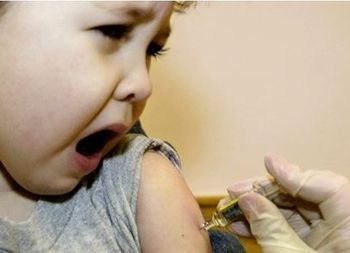
Two small children, two opportunities to administer the live MMR vaccine. Who gets the shot and who does not?