




































































































"Primary Viewpoints," a podcast from Patient Care Online, brings you an exclusive interview with Henry Mahncke, PhD, on the impact of cannabis on cognitive health.
"Primary Viewpoints," a podcast from Patient Care Online, brings you an exclusive interview with Henry Mahncke, PhD, on the impact of cannabis on cognitive health.

If the atogepant label is expanded, the drug will be the only gepant approved for the broad indication of prevention of both episodic and chronic migraine.
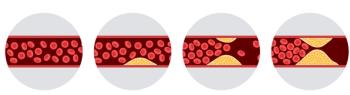
Statin-treated patients at high atherosclerotic risk experienced significantly slower progression of arterial stiffness vs those not taking statins in a cohort of more than 5000 patients.

ADA 2022
ADA 2022: In a real-world study of nearly half a million adults with T2D followed for 5 years, the SGLT-2 inhibitor surpassed both other classes used in routine clinical care.
One-half of more than 600 000 patients with ASCVD were not prescribed statins at all and only 22.5% were taking a high intensity statin, according to a recent study.

Episodic or chronic? Distinguishing between the 2 types of migraine is essential to ensure optimal treatment. Meet Abigail and Martin. Who has which headache?

Among more than 3000 participants with prediabetes, neither metformin or lifestyle change reduced risk for CV events over 21 years according to Diabetes Prevention Program Outcomes Study investigators.
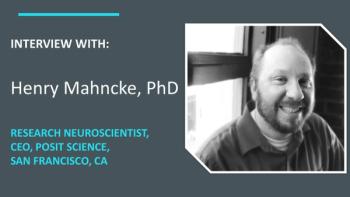
Henry Mahncke, PhD, explains why lifestyle interventions, such as diet and exercise, could be prescribed down the line to improve brain health.

Black patients hospitalized with atrial fibrillation were 25% less likely to receive oral anticoagulants upon discharge according to a large national registry study.

Treatment with intranasal insulin improved executive function and verbal memory, as well as other measures, in participants with and without type 2 diabetes.

USPSTF states low-dose aspirin should be considered for CVD prevention on a case-by-case basis in adults aged 40-59 yrs with a 10% or greater 10-year CVD risk.
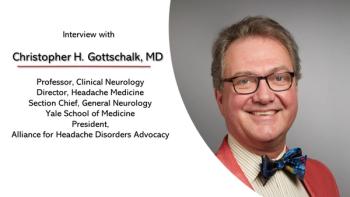
Yale headache specialist Christopher Gottschalk, MD, talks about the opportunities to make a marked difference in the quality of patients' lives.

Researchers in Spain found that suicide was higher among physicians than the general population and affected female physicians significantly more.

Persons with ASCVD who quit smoking could gain 5 more years of life--similar to the outcome of intensive medical treatment while continuing to smoke.
US patients diagnosed with migraine: 40 million. US headache specialists: 600. Primary care is the answer, according to Christopher Gottschalk, MD.

The FDA clearance for the FitBit algorithm will provide another widely tested tool for patient and clinicians to help identify arrhythmias earlier and avoid severe cardiocerebrovascular events.

ACC 2022
ACC 2022. Findings suggest that more attention to monitoring cognitive functioning after a myocardial infarction is needed.

ACC 2022. Large study of US adults showed those with depression following MI were 50% more likely to experience a stroke than those who did not have depression.
Primary Viewpoints Podcast
"Primary Viewpoints," a podcast from Patient Care Online, brings you an exclusive interview with headache specialist Peter McAllister, MD.
Gottschalk says CGRP inhibitors have made "...a life-changing transformation in how we think about and the kind of expectations we set for migraine treatment."
Christopher Gottschalk, MD, a leader in migraine research and clinical care, talks about what drew him to headache medicine early on and what it used to be like.

A new meta-analysis questions the science demonstrating the link between statin-induced LDL-C lowering and improved CV, all-cause outcomes.

Individuals with migraine were found more likely to have IBS and IBS was more prevalent in those with migraine; both associations were statistically significant.

The increased risk of CVD was observed even in young adults with a serious mental illness, according to an analysis of nearly 600 000 US adults.

Increasing alcohol intake from 1 to 2 drinks per day was associated with brain changes equivalent to aging 2 years, according to a study of more than 36 000.