






































































































EASD 2021: Patients with metabolically healthy obesity are nearly 33% more likely to develop heart failure and atrial fibrillation than healthy persons of normal weight, suggests new analysis.


USPSTF Shift: Aspirin Use for Primary CVD Prevention Carries Greater Risk, Less Benefit
EASD 2021: Patients with metabolically healthy obesity are nearly 33% more likely to develop heart failure and atrial fibrillation than healthy persons of normal weight, suggests new analysis.

The daily oral CGRP inhibitor is the only agent in the class developed specifically for prevention vs acute treatment of episodic migraine.
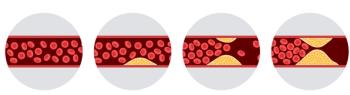
Clinical decisions on LDL-C management currently rely on a measure at one time point, typically middle age. A new study suggests burden begins early and so should assessment.

What state has the lowest suicide rate? Which one has the highest share of adult depression? Find the answers and more insights from a nationwide analysis, here.

The DHE nasal spray delivered pain relief at 2 hours for 66% of patients; 93% of those remained pain-free at 24 hours and 86% at 2 days post-dose.

Substituting regular salt with low-sodium alternative was found to reduce the risk of stroke, major cardiovascular events, and death in a new study presented at ESC Congress 2021.

Oral CGRP inhibitor atogepant significantly reduced monthly headache days and improved daily function in adults with 4 to 14 headaches per month.

A new study suggests that walking even 3 or 4 hours a week may reduce long-term mortality from any cause in patients with a history of stroke.
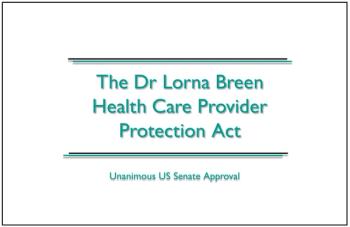
Click through a short summary of the provisions of the Dr Lorna Breen Health Care Provider Protection Act.

The first-of-its-kind legislation would authorize $35 million for programs aimed at practitioner mental health education and campaigns to support seeking help.

Compared to psychiatrists and subspecialists, the proportion of visits to primary care was higher for patients with depression or anxiety and any mental illness in a new cross-sectional study.

Cleveland ranks highest for financial and family stress; Newark ranks highest for work stress. Find out how well your metro area and your patients are coping right now.

Antidepressant therapy, used as prescribed, reduced risk for advanced complications of diabetes and death among more than 36 000 patients with comorbid diabetes and depression.

The COVID-19 pandemic has sorely challenged the emotional well being of all healthcare providers. Here, a look back is followed by a guide to moving forward.

In a new scientific statement, the AHA/ASA recommends that the first poststroke visit should occur earlier in primary care. Details plus 5 more key points primary care physicians should know.

Patients interested in optimizing their own gut health have typically tried several approaches before they ask a clinician for help. Two specialists offer seasoned guidance on what helps most.
A neurologist and a rheumatologist sat down with Patient Care editors to talk about their focus on balance in the gut microbiome as an essential element of clinical care.

What does the latest research say about the association between mental health and cardiovascular disease? Scroll through our quick slideshow for an overview.

A new analysis of the large ASPREE trial found statin use in older adults is not associated in the incidence of dementia or a decline in neurocognitive health.
The FDA approved today the first drug that targets the pathophysiolgic process responsible for Alzheimer disease and the first drug since 2003 to be approved for any Alzheimer treatment.
Adults with OCD were more than 3 times as likely to have an ischemic stroke after age 40 than those without the disorder, according to a study published in Stroke.
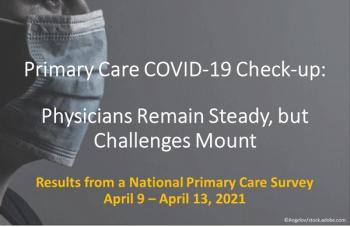
Primary care practices are keeping pace a year into the pandemic but face rising challenges—from mental exhaustion to lack of vaccine supplies, according to a national primary care survey.

A woman in her 50s who has a history of tension headache presents to the ED with a headache different from any she has had. Mild photophobia is the only finding on physical exam. Your dx?
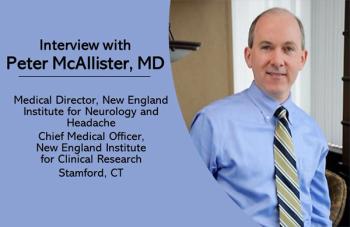
The uptake among primary care physicians of new migraine drugs has been hindered by 2 significant obstacles, a headache specialist explained to Patient Care Online.

Reports of a rare, severe type of blood clot in 6 women in the US led the agencies to halt use of the J&J product, out of an abundance of caution.