































































































Findings on use of acute and preventive migraine therapy continue to reveal gaps with far more patients eligible than the proportions using either type.

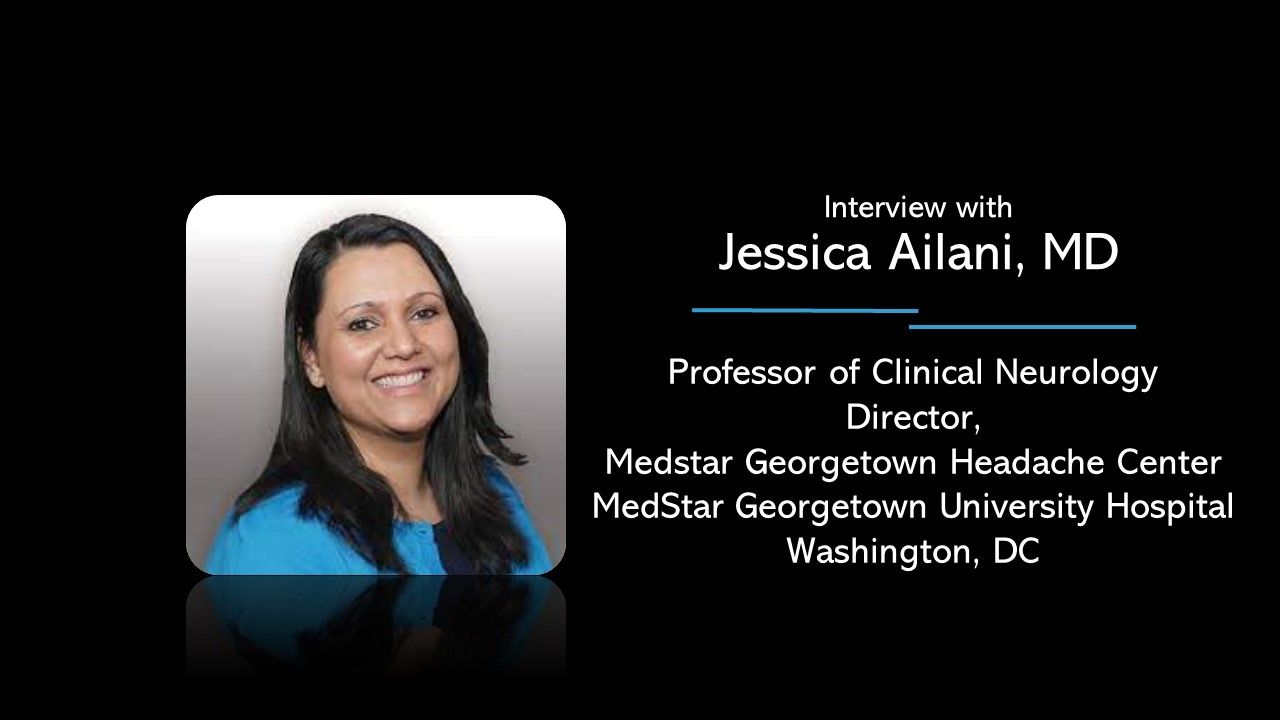
Migraine Management Pearls for Primary Care with Neurologist Jessica Ailani, MD

Migraine-specific Preventive Therapies Can Be a Primary Care Tool, Leading Investigator Says
Findings on use of acute and preventive migraine therapy continue to reveal gaps with far more patients eligible than the proportions using either type.
Researchers identified over 120 regions connected to risk of migraine, of which 86 were previously unknown.

When choosing a migraine treatment for acute attack relief, the American Headache Society suggests following these steps.

Researchers also found that women with migraine with aura had a higher risk of preeclampsia than those with migraine without aura.

Among persons who survived COVID-19, a new study found a 60% increased risk for any new mental health diagnosis during the year following infection.

ISC 2022
Marijuana use is linked to increased perioperative mortality among patients admitted to the hospital for cerebrovascular diagnoses, according to research presented at ISC 2022.

The 5-year cumulative relapse rate among early quitters was nearly 40% in a large international cohort of stroke patients, according to an abstract presented at ISC22.
Nearly two-thirds of persons aged younger than 50 years who had an acute ischemic stroke had obesity in a study presented at the 2022 International Stroke Conference.
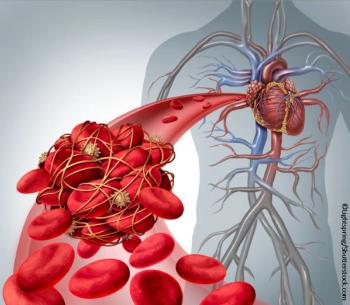
ISC 2022
Atrial fibrillation-related ischemic stroke may be a factor in hospital deaths among over 50% of older adults, suggests new findings presented at the International Stroke Conference.
"Primary Viewpoints," a podcast from Patient Care Online, brings you an exclusive interview with author and psychiatrist Samoon Ahmad, MD.

Family physicians and psychiatrists were the specialties with the greatest number of visits, according to study authors.

Anxiety may affect cardiometabolic health earlier in life than previously thought, according to a new long-term study of US middle-aged men.

The prevalence of mental disorders has been rising globally and the conditions today remain a leading cause of disease burden worldwide, found 30-year systemic analysis.

Americans with anxiety, depression, and PTSD would be willing to try ketamine, psilocybin, and MDMA if they worked better than traditional medications, a Harris Poll finds.

Screening of older adults for falls and cognitive impairment should be routine in primary care; a recent study highlights an intervention that could help.

Suicidal thoughts and behaviors among US adults arise due to several factors, including geography, socioeconomic status, and race and ethnicity, according to new CDC report.
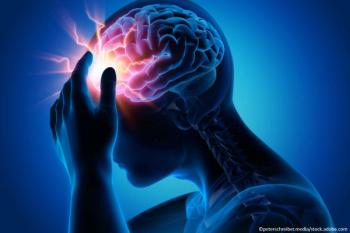
Intranasal CGRP inhibitor zavegepant met coprimary regulatory endpoints in pivotal phase 3 trial in adults with migraine; FDA submission planned for Q1 2022.
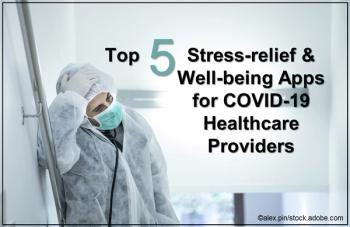
Headspace, Calm, and 3 more apps for COVID-19 frontline health care workers who need antidotes to anxiety and stress everywhere they go.
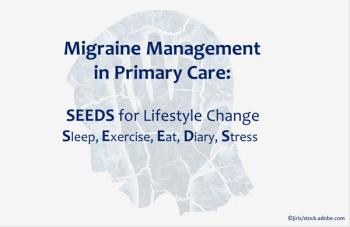
Five migraine management essentials for PCPs and headache patients are summarized with the mnemonic SEEDS.
Treatment with aspirin of patients with cardiovascular risk factors was consistently associated with a greater than 25% risk of incident HF, another strike against the OTC antithrombotic.

Patients taking either of the 2 anticoagulants showed no large differences on 4 cognitive test scores at 2 years, according to authors of the GIRAF trial.

Smoking was associated with earlier onset of cardiovascular disease, by 5.1 years for men and 3.8 years for women, the new study found.

AHA Scientific Sessions 2021
AHA Scientific Sessions 2021. Statin-associated muscle symptoms complicate treatment initiation and adherence; a new mHealth tool shows promise in reducing treatment cessation.
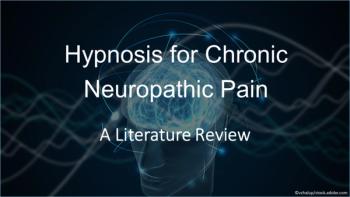
In the first review of its kind, authors found encouraging evidence supporting the use of hypnosis for chronic neuropathic pain treatment. Find key results in our new slideshow.

AHA Scientific Sessions 2021
AHA 2021: E-cigarette users were found to have a 15% higher risk of a cerebrovascular accident at a younger age than those who smoked combustible tobacco cigarettes.