









































































































Study participants with medication overuse headache reported quality of life improvements as early as study week 4 that were sustained at week 24.
Study participants with medication overuse headache reported quality of life improvements as early as study week 4 that were sustained at week 24.

How many Americans report having long COVID symptoms? Which demographics is long COVID more prevalent in? A new analysis sheds light.

Among women with prepregnancy migraine diagnosis, rates of gestational hypertension and preeclampsia were 28% and 40% higher, respectively, vs women without migraine.

Researchers found that Black and Hispanic Americans were less likely to be treated for certain poststroke complications, such as mood and spasticity, compared to White adults.

Your daily dose of clinical news you may have missed.

A study of more than 1.5 million women with a history of preeclampsia found up to a 4-fold higher risk of MI and 3-fold increased risk of stroke within 10 years of delivery.
Your daily dose of clinical news you may have missed.
A 2-sample Mendelian randomization analysis showed that sleep apnea and snoring increased the risk of HTN and CAD, and these associations may partly be driven by BMI.

Mental health issues among health care professionals have always been normal; now that we can acknowledge them, we must, says a family physician and wellness advocate.

Accelerometer-measured physical activity and steps were associated with as much as a 60% lower risk of Alzheimer's disease and related dementias in a new study.

An overall good quality of diet and higher fish intake during pregnancy were related to better language skills in 2-year-old children, according to new study.
Your daily dose of clinical news you may have missed.
In a study of 874 adults, more women were diagnosed with chronic cluster headache and experienced longer attacks compared with men.

For each cardiometabolic disease, the risk of all-cause dementia rose by 42%; the risk rose 26% for Alzheimer disease and 64% for vascular dementia. Temporal onset and genetics play key roles.

Approval of lecanemab under FDA's accelerated pathway requires the company to provide phase 4 study evidence to confirm the agent's clinical effect.
Patient Care Guideline Toplines summarize newly revised and updated clinical recommendations from professional societies for convenient, at-a-glance review.
Your daily dose of clinical news you may have missed.

Variable BMI patterns across the lifespan may be a prodromal marker of dementia; a pattern of midlife increase followed by decrease was associated with greatest risk.
Having both conditions while pregnant in the current study conferred more than double the risk of future CVD vs having either condition alone.

Sponsored Content
New Data Shows REST-LGS Screening Tool Identified Over Half of Adults with Drug-Resistant Epilepsy in Residential Care Setting Likely to Have LGS

From crime rates and credit scores to average health and hours worked in a week, find the 5 states that rank highest and the 5 lowest across 9 composite measures of stress.

The NIH has awarded $11 million for evaluation of a 5-minute, largely visual screening test for dementia intended for use in primary care practice.
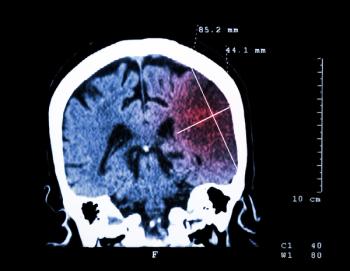
Similar reduction in risk was reported for both lobar and nonlobar intracranial hemorrhage with longer statin treatment associated with greater protection, according to Danish investigators.
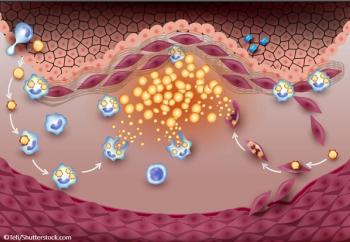
Approved in 2020 as Nexletol, bempedoic acid as the first ATP citrate lyase inhibitor and oral non-statin therapy to meet the MACE-4 primary endpoint.

Being most physically active in the late morning had a 16% decreased risk of coronary artery disease and a 17% decreased risk of stroke compared to midday.