




























































































Neurostimulators are an emerging treatment option for migraine patients who want non-pharmacologic treatment. Find out what you know about the three devices approved for use in the US.
Neurostimulators are an emerging treatment option for migraine patients who want non-pharmacologic treatment. Find out what you know about the three devices approved for use in the US.

One of my migraine patients taught me that I need to ask the very hard questions if I want to offer the best possible care.
We top-line 5 migraine tracking & management apps that stand out from the many available and our app reviewer points out defining features.
When the cure becomes worse than the cause, it’s MOH. See what you know about these hard-to-treat headaches.
Whether they are chronic or episodic, a landmark study finds the net effect of parental migraine on teens is depression, anxiety, and disappointment.
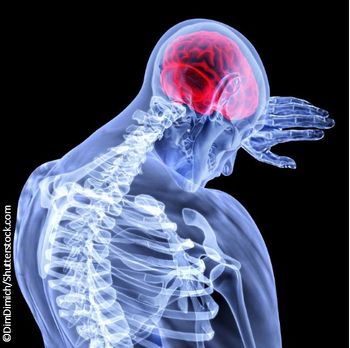
A headache specialist suggests 3 questions that can help maximize a short follow-up visit with these complex patients.
The headache community is more than ready for a preventive migraine drug that works. Click through these slides for highlights of recently published trials.
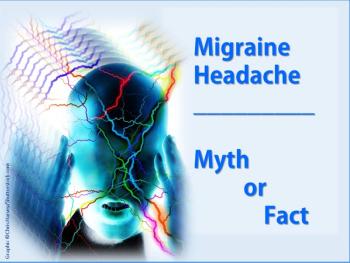
There is a good deal of misinformation available about migraine headaches. Which of these 10 statements are myth and which are fact?
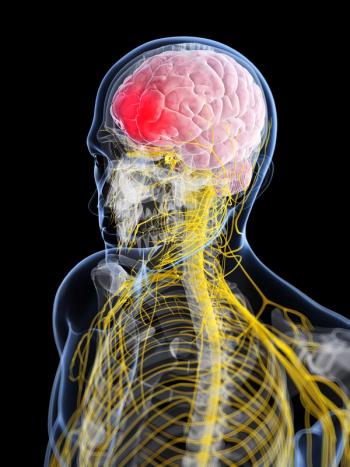
Migraine-especially with aura-is a CV risk factor, which makes treatment with ergots or triptans potentially problematic. The best approach?

It’s how much cannabis your patients with HIV infection smoke now-not over their lifetime-that appears to affect their cognition.

This month’s Special Report post-test allows you to gauge how much you have learned about current approaches to treating migraine headache.

Headaches that occur several days before menses as well as disabling headaches on days unrelated to menses... how would you help this young woman?

If the goal of headache therapy for adolescent migraineurs is a pain-free adult life, here's a road map.

What Rx for adolescent migraineurs? Ideal care for menstrual migraine? Perfect patient for new CGRP inhibitors? Answers in this PCP Special Report.
Slide Show: FDA drug approvals in the second quarter 2017 included these 10 for conditions seen in the primary care setting.

An array of new tools, perspectives, and guidelines to help navigate the gray areas have been reported in recent days.

Find out what you know about a common neuropsychiatric disorder by taking this quick 8-question quiz.

Paradox: a new study finds that despite wide us of antidepressants in the US, many who need treatment do not get it while others are overtreated.

A new study found that commonly prescribed antihypertension drugs affect mood disorders--either positively or negatively.

Do doctors’ politics affect treatment decisions on, for example, drug use, firearms, and sexual behavior? Do yours?

To treat or not to treat? The risks and benefits of perinatal treatment for mental illness should be understood by all primary care clinicians.

Collaborative care operationalizes chronic care model principles to improve access to evidence-based treatments.
Authors of a new study note that a simple self-report question about mental health history in patients with ADR may lead to important intervention.

Results of the MOOD-HF trial join those of 2 others that looked to boost mood and survival in patients with heart disease.

A mobile app that lets patients record feelings and monitors engagement and activity may help assess and treat depression.