


















































































































































Results of a large Taiwanese registry analysis could open discussion around avoidance of oral anticoagulants in post-ICH patients.
Results of a large Taiwanese registry analysis could open discussion around avoidance of oral anticoagulants in post-ICH patients.
Critics continue to call for independent analysis by outside investigators not involved with the original trial.
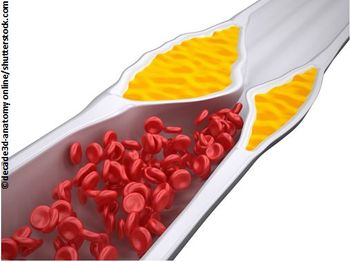
Find data here on obesity, exercise, and OSA, plus 4 more factors that increase the risk for AF and other CV disease.
Concern that equipment error may have led to higher doses of warfarin than necessary call the huge trial's findings into question.
Study results presented at the 2015 AHA meeting reinforce, once again, the critical role of persistent patient education on treatment adherence.
Data from a recent study suggest that paroxysmal AF may be underdiagnosed in patients with heart failure and preserved ejection fraction.
Younger patients with AF of longer duration were found at higher risk for dementia, a recent study found.
Guidelines recommend AF catheter ablation to help avoid use of oral anticoagulation. True or False? Answer this and 2 other queries on ablation.

Results of the BELIEF study presented at ESC 2015 suggest the adjunctive ablation procedure may enhance long-term rhythm control.

The first results from the largest ongoing international registry of newly diagnosed AF patients were long awaited, and worth the wait.

Results of a new study suggest that changes in cognitive function may reflect more global vascular damage and serve as a surrogate marker.
Is eating chocolate good for your patients’ health or bad? Savor these slides for a concise summary of this favorite food’s medicinal pros and cons.

A new analysis of the ALLHAT study finds greater morbidity among patients with visit-to-visit variation in systolic BP than among those with more consistent measures.

A multi-step inflammatory cascade appears to connect hyperglycemia and brain dysfunction.
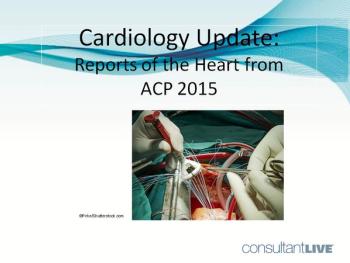
It’s time to rethink aspirin; there’s optimism about the PCSK9 inhibitors; and new help for people with valvular heart disease. What else is new in cardiology?

No monitoring necessary; don't use them before electrical cardioversion; and count them out for periprocedural use during AF ablation. Really?
Stroke and TIA rates are down and fewer patients arrive by ambulance in national emergency department survey.
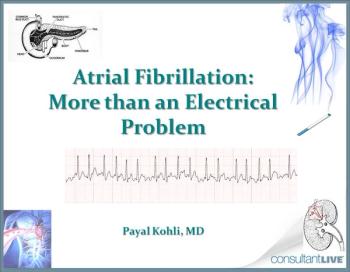
A small study highlights a big point: manage risk factors that affect the atrial fibrillation substrate and ablation therapy success rates improve (ARREST-AF Cohort Study).
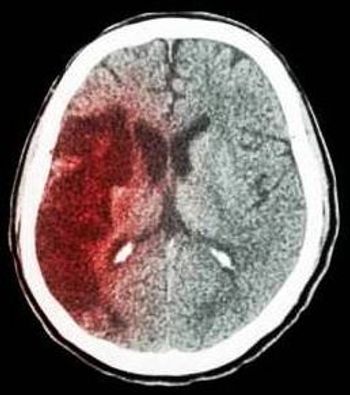
Cancer may be an under-appreciated, but common risk factor for stroke, which is most common the first month after cancer diagnosis.

Results of a new large study may offer some clarity in an area replete with conflicting findings from small studies in older men or registry studies in special populations.

Results of a recent study suggest the presence or absence of CMBs may help refine risk prognostication in patients with AF.

The cost vs the benefit of community screening for disease is often hotly debated. A new study suggests that detection and treatment of asymptomatic AF may be worth that effort.
Unlike other research into the association between vitamin D and dementia, this large study quantified and graded levels of vitamin D deficiency to determine at what point intervention might be warranted.
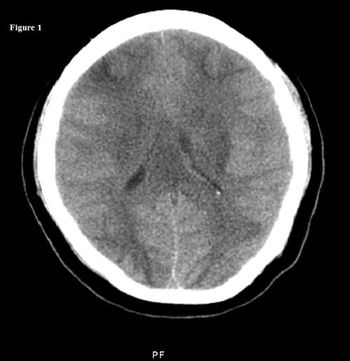
A young woman was admitted at 36 weeks' gestation with severe preeclampsia. During delivery, she experienced generalized seizures. She remained postictal throughout the normal vaginal birth.
Vitamin D supplementation in the VitDISH study did not improve isolated systolic hypertension in elderly patients who were deficient.